Introduction
Losing weight doesn’t have to mean spending a fortune on fancy supplements or expensive diet foods. In fact, fat loss is more about consistency, portion control, and smart food choices than it is about pricey ingredients. A well-balanced meal plan can be both budget-friendly and effective for fat loss. By focusing on simple whole foods, cooking at home, and planning ahead.
Problem
Many people struggle with fat loss because they believe it requires expensive supplements, costly diet foods, or premium meal delivery services. This misconception often stops them from even starting their journey toward better health.
Outcome
With the right knowledge, you can achieve sustainable fat loss on a budget. By choosing simple whole foods, cooking at home, and planning ahead, you can save money and still lose weight effectively.
Solution
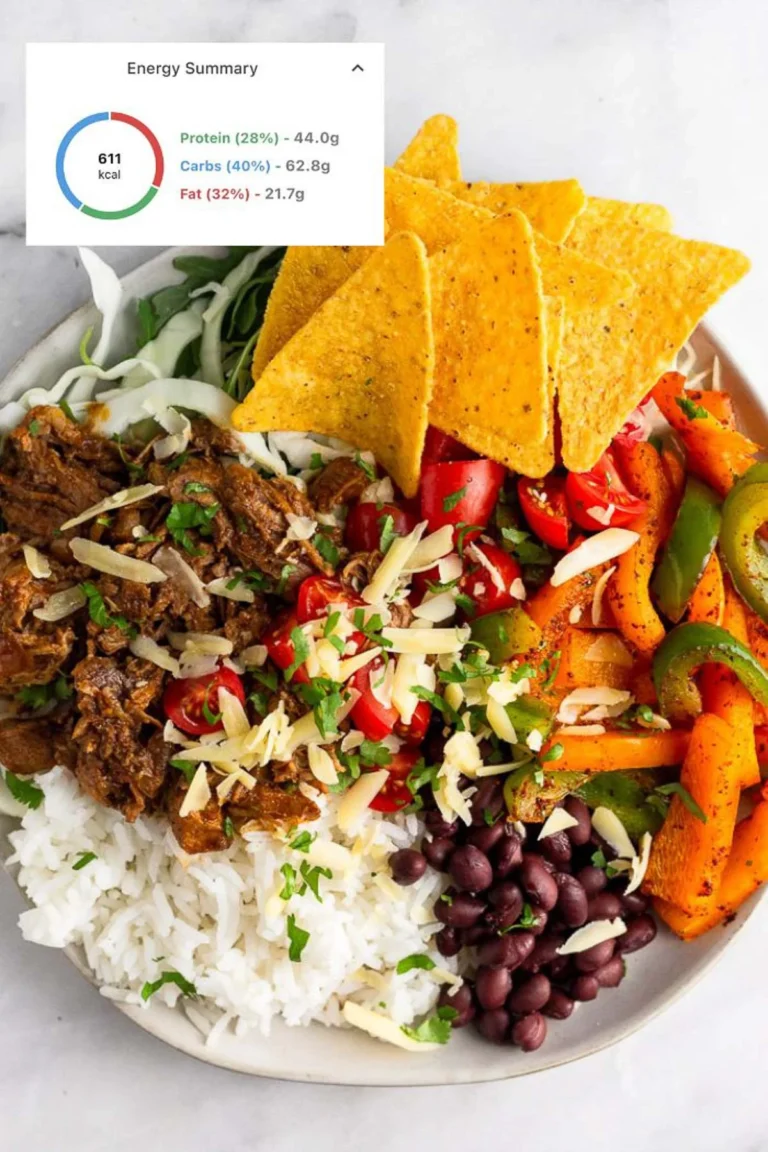
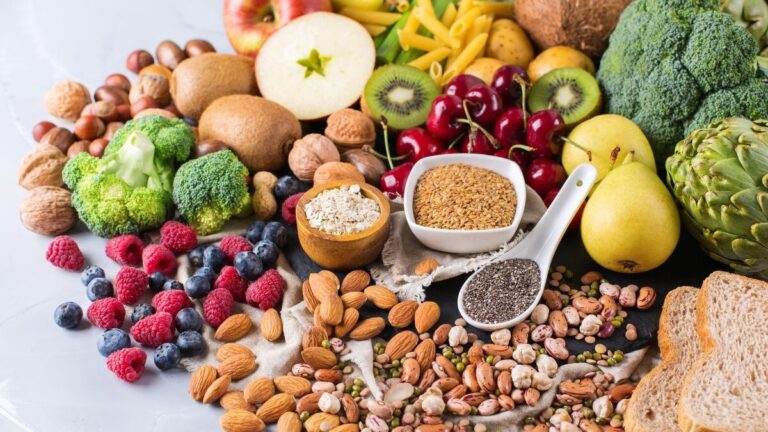
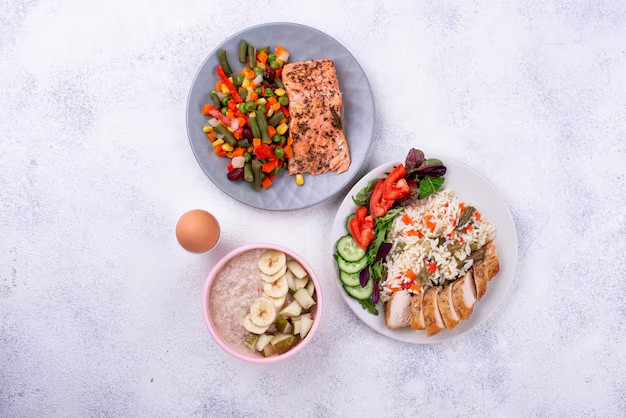
A budget-friendly meal plan provides structure, keeps you full, and prevents unnecessary spending. It focuses on affordable staples like oats, eggs, rice, lentils, beans, vegetables, and seasonal fruits. to help you stay on track with fat loss without breaking the bank.
Day 1

- Breakfast: Oatmeal with banana slices and a teaspoon of peanut butter
- Lunch: Brown rice with boiled chicken breast and steamed spinach
- Snack: A boiled egg and cucumber slices
- Dinner: Lentil soup with whole wheat bread
Day 2
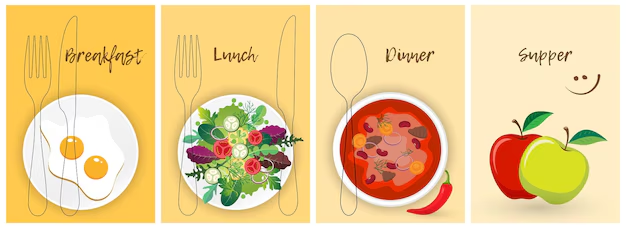
- Breakfast: 2 boiled eggs with whole wheat toast
- Lunch: Tuna salad (canned tuna, lettuce, cucumber, olive oil, lemon)
- Snack: Apple or seasonal fruit
- Dinner: Grilled chicken with sautéed vegetables
Day 3
- Breakfast: Low-fat yogurt with oats and honey
- Lunch: Chickpea curry with brown rice
- Snack: Handful of roasted peanuts
- Dinner: Baked fish with steamed broccoli
Day 4
- Breakfast: Vegetable omelette with onions, spinach, and tomatoes
- Lunch: Quinoa or rice with black beans and a side of salad
- Snack: Carrot and cucumber sticks with hummus
- Dinner: Stir-fried chicken with mixed vegetables
Day 5
- Breakfast: Smoothie (banana, oats, low-fat milk, flax seeds)
- Lunch: Grilled chicken wrap with whole wheat roti and vegetables
- Snack: A boiled egg and handful of almonds
- Dinner: Vegetable soup with a slice of whole wheat bread
Day 6

- Breakfast: Overnight oats with chia seeds and strawberries (or seasonal fruit)
- Lunch: Lentil curry with steamed rice
- Snack: Roasted chickpeas or popcorn (no butter)
- Dinner: Grilled fish with a fresh salad
Day 7
- Breakfast: Scrambled eggs with whole wheat toast
- Lunch: Chicken and vegetable stir-fry with rice
- Snack: Low-fat yogurt with fruit
- Dinner: Tomato soup with boiled eggs or beans
✅ Key Tips for Staying on Budget:
- Buy in bulk (rice, oats, beans, lentils).
- Use seasonal fruits and vegetables.
- Cook at home instead of eating out.
- Prepare meals in advance to avoid last-minute expensive choices.
Frequently Asked Questions (FAQs)
Q1. Can I lose fat with a budget meal plan?
Yes. Fat loss depends more on calorie balance and nutrition than on expensive foods. Affordable whole foods like rice, lentils, eggs, and vegetables are highly effective.
Q2. Is it necessary to eat meat for fat loss?
Not at all. Plant-based protein sources like beans, chickpeas, and lentils can also support fat loss when combined with a balanced diet.
Q3. How many calories should I eat daily for fat loss?
Calorie needs vary by age, gender, weight, and activity level. In general, a 500-calorie deficit per day helps you lose about 1 pound per week.
Q4. Can I meal prep these recipes?
Yes. Preparing in bulk—such as cooking rice, beans, or chicken for several days—saves time and reduces costs.
Q5. What drinks support fat loss?
Water, green tea, and black coffee are budget-friendly options that help boost metabolism without adding calories.
Meta Description (SEO)
Discover a 7-day fat loss meal plan on a budget. Affordable, healthy, and easy-to-follow recipes to help you burn fat, save money, and stay consistent.
Internal Links (Your Website)
- Full Body Gym Routine for Beginners
- 10 Best Home Workouts Without Equipment
- HIIT Workouts to Burn Fat Fast
External Links (Authority Sources)
About the Author