Introduction
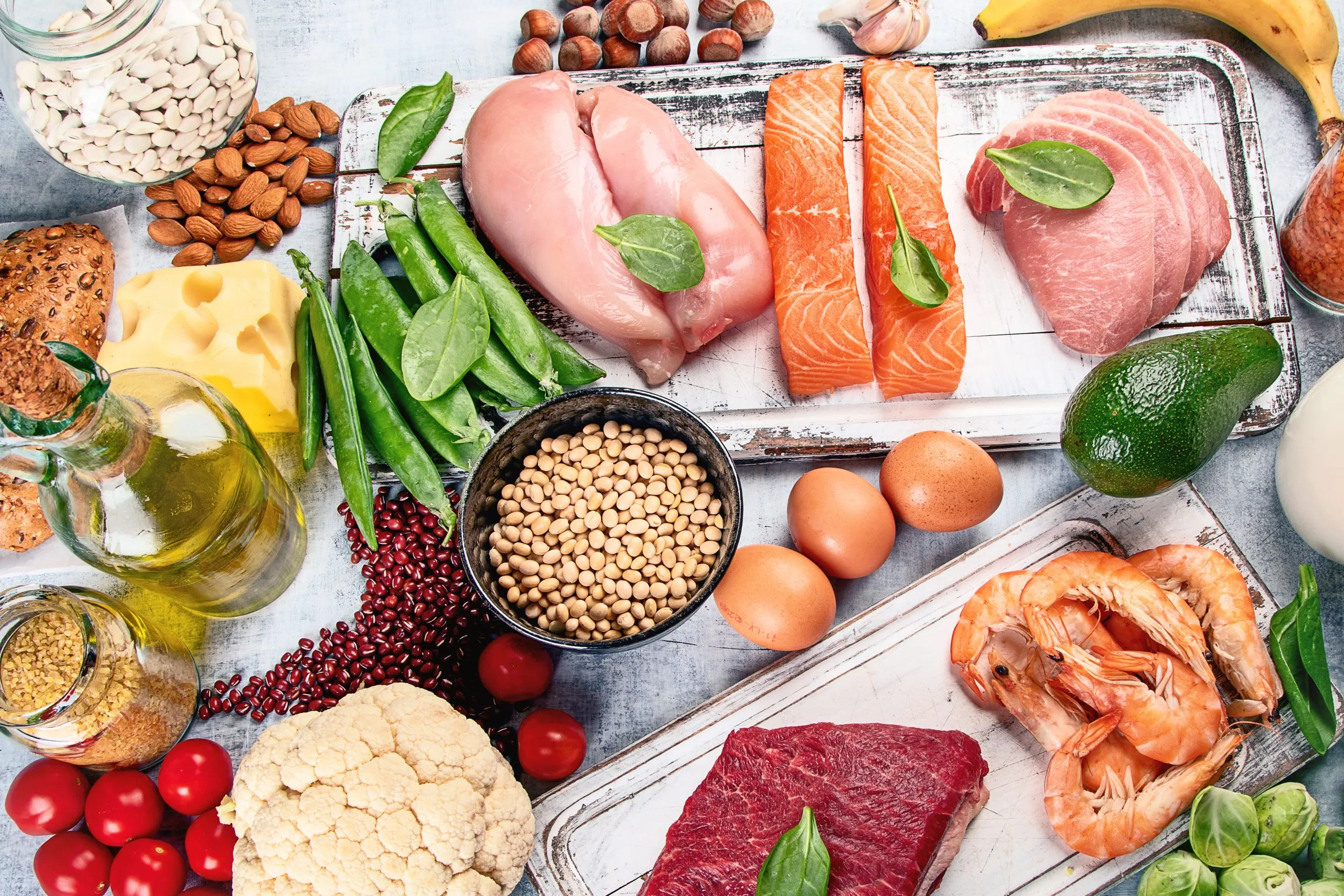
Building muscle isn’t just about lifting weights—it’s also about fueling your body with the right nutrients. Among them, protein plays the biggest role in repairing and growing muscles. If you want to accelerate recovery, increase strength, and promote lean muscle mass, adding protein-rich foods to your diet is essential. In this article, we’ll explore the top 10 protein-packed foods that support muscle growth and how you can incorporate them into your daily meals.
Problem
Many people struggle to build muscle despite working hard in the gym. Often, the missing piece is not exercise, but diet—especially a lack of quality protein sources.
Outcome
By including the right protein-rich foods, you can speed up recovery, build stronger muscles, and achieve your fitness goals more effectively.
Solution
The solution lies in a balanced intake of high-protein foods that are both natural and nutrient-dense. Below are the top options to consider.
Top 10 Protein-Rich Foods for Muscle Growth
1. Chicken Breast
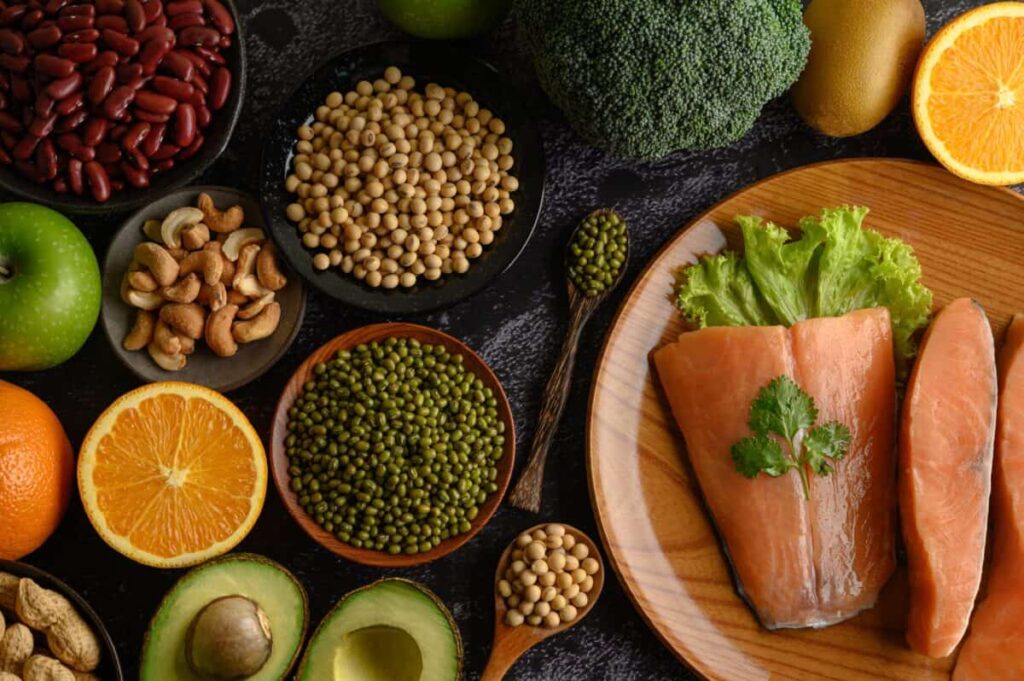
A fitness classic! Chicken breast is a lean protein powerhouse with minimal fat. A single 100g serving contains about 31g of protein, making it ideal for building lean muscle. Pair it with vegetables or rice for a balanced meal.
Why it helps: Lean protein supports recovery and helps you stay full without excess calories.
2. Eggs
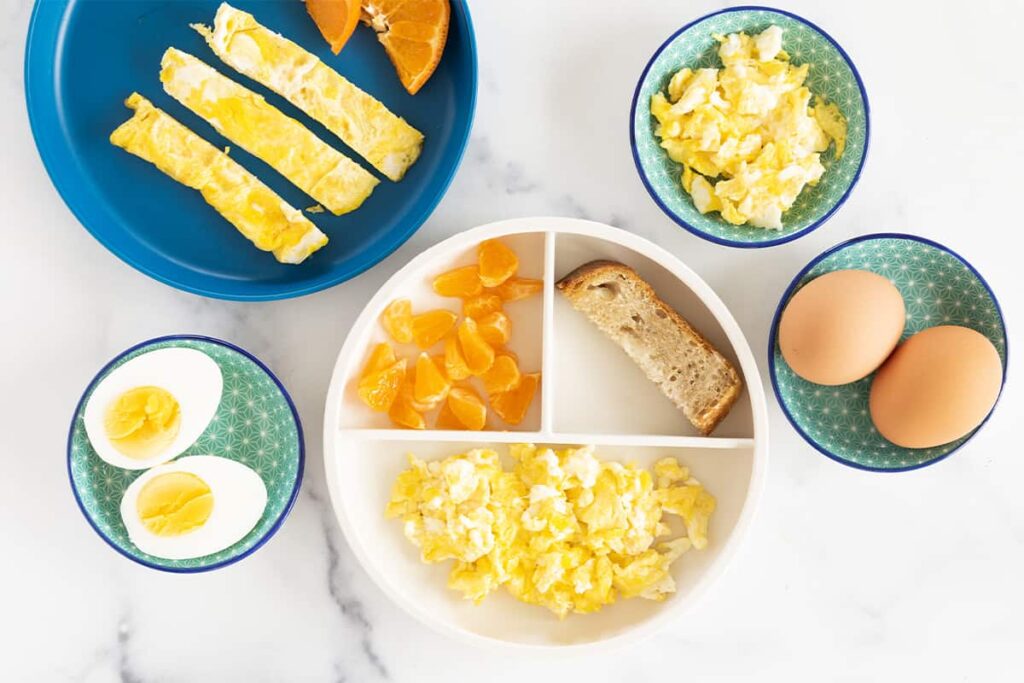
Often called the “perfect protein,” eggs contain all nine essential amino acids. One large egg packs about 6g of protein, plus healthy fats and vitamins like B12 and D.
Pro tip: Don’t skip the yolk—it contains most of the vitamins and muscle-supporting nutrients.
3. Greek Yogurt
Greek yogurt https://www.healthline.com/health/food-nutrition/greek-yogurt-benefitsis not just a tasty snack—it’s loaded with twice the protein of regular yogurt. A 200g serving has around 20g of protein, plus probiotics that improve gut health.
Best time to eat: Great for breakfast or as a post-workout snack mixed with fruits or nuts.
4. Cottage Cheese

This slow-digesting protein is perfect before bedtime. Cottage cheese contains casein protein, which releases amino acids gradually throughout the night.
Why it helps: Prevents muscle breakdown while you sleep, supporting overnight recovery.
5. Salmon
Salmon is rich not only in protein (about 22g per 100g) but also in omega-3 fatty acids. These healthy fats reduce muscle inflammation and speed up recovery.
Extra benefit: Supports heart and brain health while fueling muscles.
6. Lean Beef
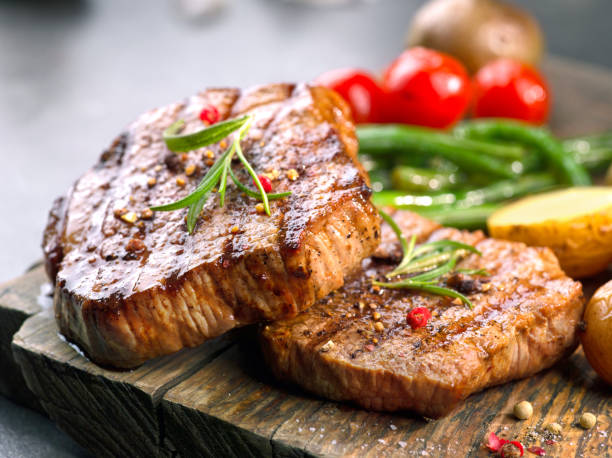
A staple for strength athletes, lean beef delivers 26g of protein per 100g, plus iron, zinc, and creatine, which are crucial for energy and muscle performance.
Tip: Choose grass-fed beef for healthier fat content.
7. Lentils
For plant-based eaters, lentils are an excellent choice with about 18g of protein per cup. They’re also high in fiber, which aids digestion and keeps you feeling full.
Bonus: Packed with iron and magnesium, which support energy production.
8. Tofu
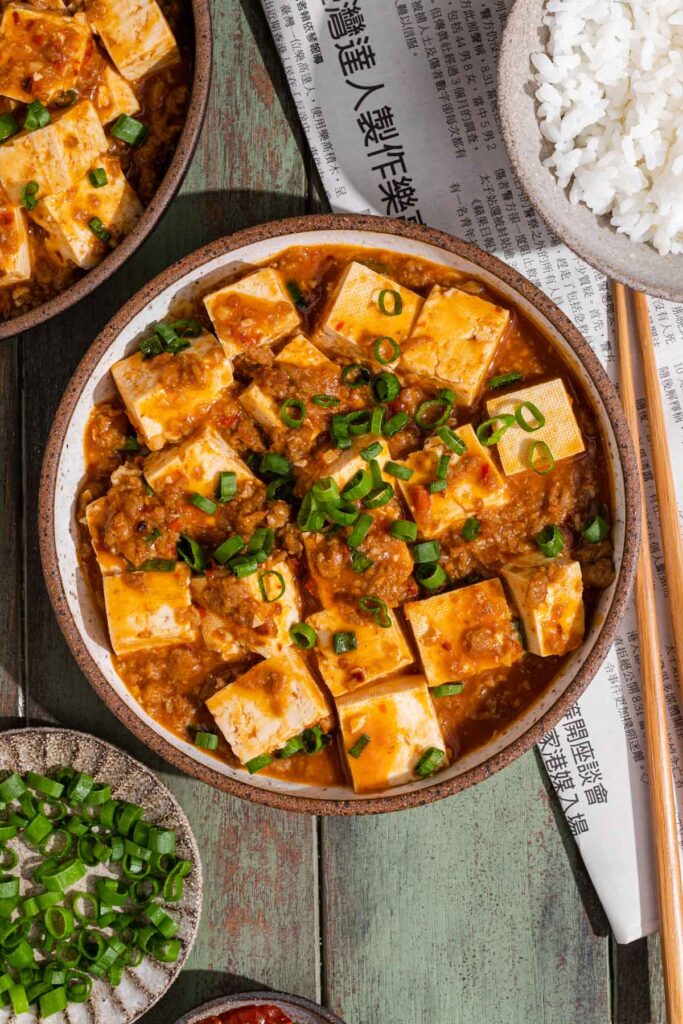
Tofu is a versatile soy-based protein with about 10g of protein per 100g. It easily absorbs flavors, making it a great base for stir-fries, soups, and salads.
Why it’s great: A complete protein and excellent option for vegetarians and vegans.
9. Quinoa
Unlike most grains, quinoa is a complete protein, https://www.healthline.com/nutrition/8-health-benefits-quinoameaning it contains all nine essential amino acids. One cup cooked provides about 8g of protein.
Extra benefit: Also rich in fiber, magnesium, and antioxidants, making it a nutrient-dense choice.
10. Protein Shakes (Whey or Plant-Based)
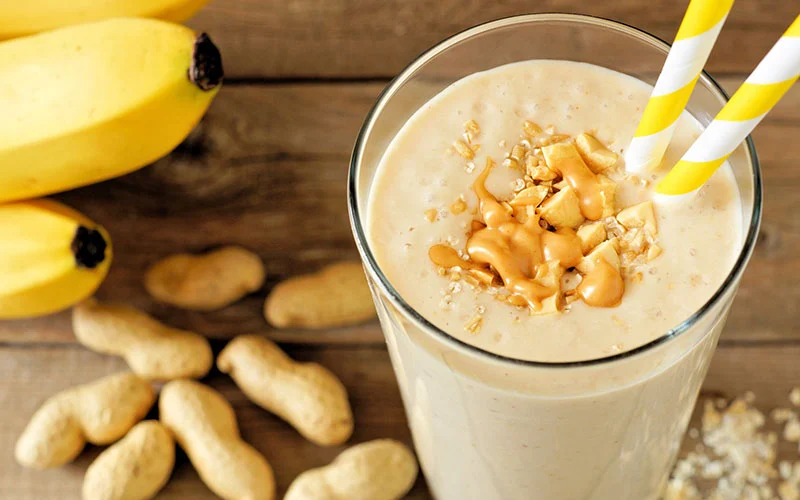
When time is short, protein shakes are the fastest way to meet your protein goals. A single scoop of whey protein provides 20–25g of protein.
Best use: Ideal post-workout to kick-start muscle recovery.
How to Use These Foods
- Eat chicken or salmon as a main protein in lunch or dinner.
- Add eggs or Greek yogurt to your breakfast for a strong start.
- Incorporate lentils, tofu, or quinoa if you prefer plant-based options.
- Use protein shakes after workouts for fast recovery.
Conclusion
To sum up, protein-rich foods are the building blocks of muscle growthhttps://www.healthline.com/nutrition/26-muscle-building-foods. By adding these top 10 foods into your diet, you’ll provide your body with the fuel it needs to recover, grow, and stay strong. Remember, consistency in diet is just as important as consistency in training.
✅ FAQs
Q1. How much protein do I need daily for muscle growth?
Most experts recommend 1.6–2.2 grams of protein per kg of body weight.
Q2. Can vegetarians build muscle with plant-based proteins?
Yes! Foods like lentils, tofu, and quinoa provide high-quality plant proteins.
Q3. Are protein shakes necessary?
Not mandatory, but they are convenient for meeting your daily protein needs.
Q4. Which protein source is best before sleep?
Cottage cheese is ideal due to its slow-digesting protein casein.
Q5. Is too much protein harmful?
Excess protein may stress the kidneys, so balance is key. Stick to recommended intake.
🔗 Internal Links
- Full Body Gym Routine for Beginners
- The Science Behind HIIT: Burn Fat in Less Time
- Stretching for Flexibility: Daily Mobility Drills
🌐 External Links (Authority Sources)
About the Author