
Introduction
When it comes to fitness, what you eat before and after your workout can make or break your progress. Pre-workout nutrition fuels your energy and endurance, while post-workout nutrition supports recovery and muscle growth. Yet, many people feel confused—should they eat carbs, protein, or both? This guide breaks it down step by step so you’ll always know what to eat and when.
Problem
Many fitness enthusiasts struggle with energy crashes during workouts or slow recovery afterward. The main reason? Poor nutrition timing—either skipping meals before exercise or neglecting post-workout fuel.
Outcome
By eating the right balance of carbs, proteins, and healthy fats, you can train harder, recover faster, and build muscle more effectively.
Solution
- https://www.healthline.com/nutrition/eat-before-workoutPre-workout meals:
- Focus on complex carbs and lean protein to power your session.
- Post-workout meals: Prioritize protein for muscle repair and carbs for glycogen restoration.
How
- Pre-Workout Nutrition
- Eat 1–2 hours before training.
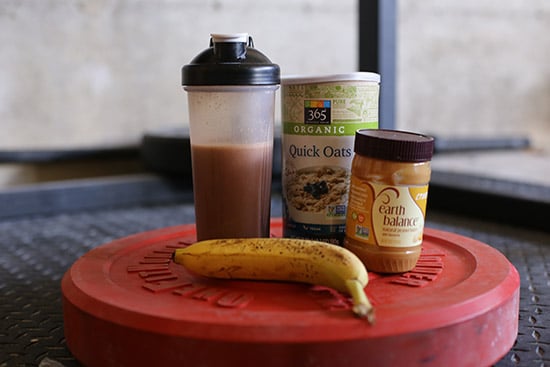
- Choose foods like oatmeal with fruit, chicken with brown rice, or a banana with peanut butter.
- This ensures steady energy release and prevents fatigue.
- Post-Workout Nutrition
- Eat within 30–60 minutes after exercise.
- Combine fast-digesting carbs with protein. For example, a protein shake with a banana, or grilled fish with sweet potatoes.
- This helps reduce muscle soreness and accelerates recover
🔹 Why Pre-Workout Nutrition Matters
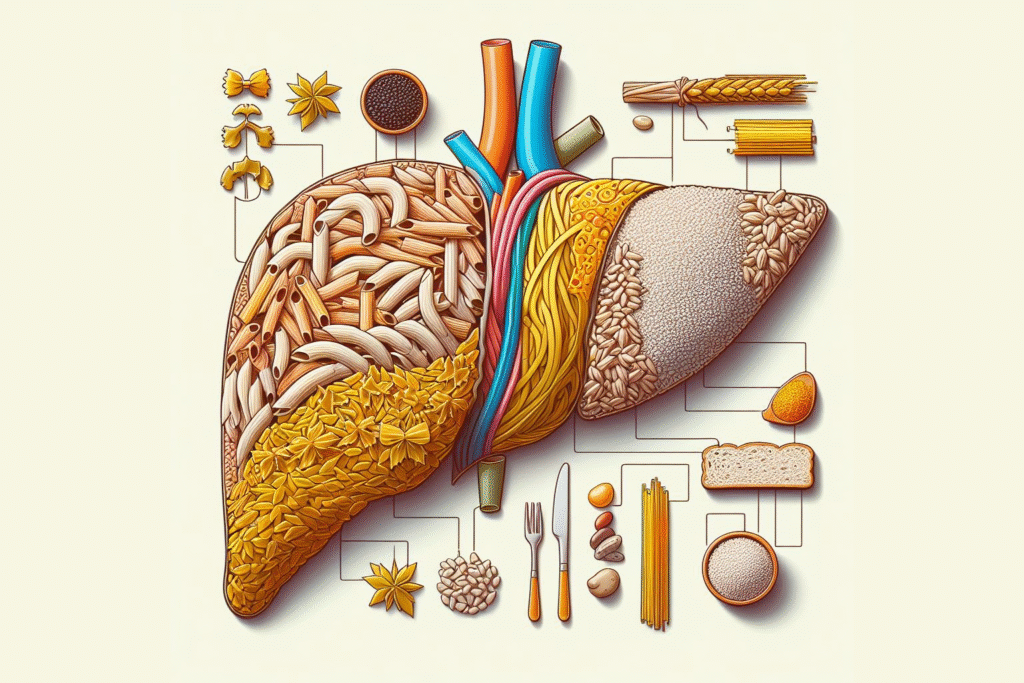
When you exercise, your body relies heavily on glycogen (stored carbohydrates) and available blood glucose to fuel your muscles. Without proper pre-workout nutrition, you may experience:
- Early fatigue
- Loss of strength
- Reduced endurance
- Poor focus
That’s why a balanced pre-workout meal should:
- Provide carbs for quick and steady energy release
- Include protein to prevent muscle breakdown during exercise
- Contain light fats for satiety, but not too much (as fats slow digestion)
👉 Example: Eating oatmeal with berries and Greek yogurt 90 minutes before training gives you long-lasting energy and amino acids to support muscles.
🔹 Why Post-Workout Nutrition Matters
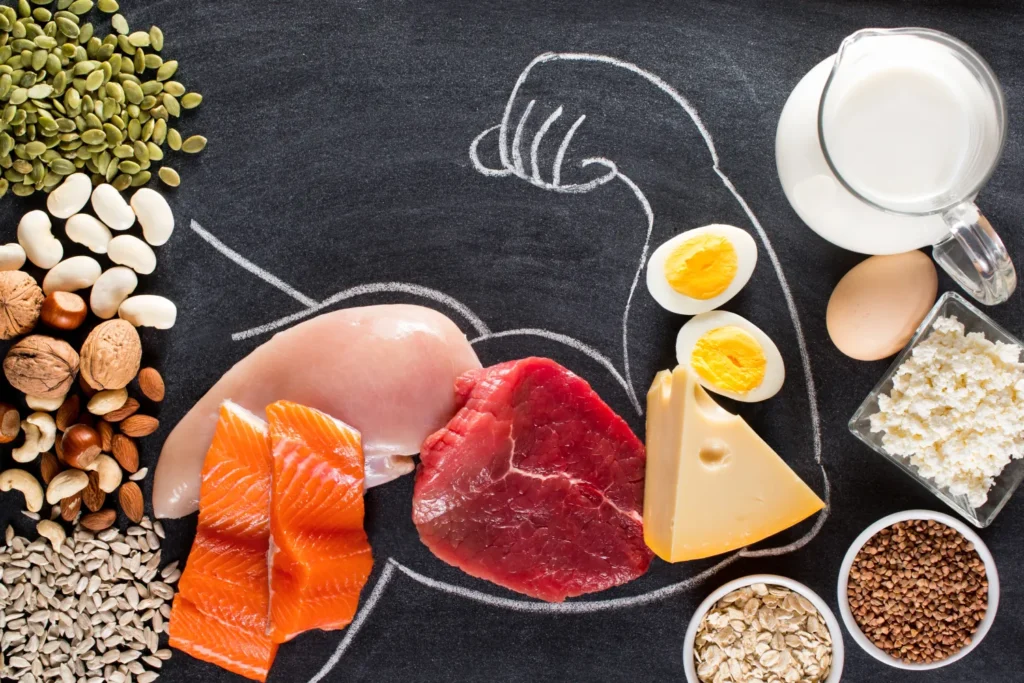
After your workout, your body is in recovery mode. Muscles have tiny tears, glycogen stores are low, and protein synthesis (muscle repair) is heightened. Without the right nutrition, you risk:
- Muscle soreness lasting longer
- Slower recovery
- Missed muscle growth opportunities
That’s why post-workout nutrition should focus on:
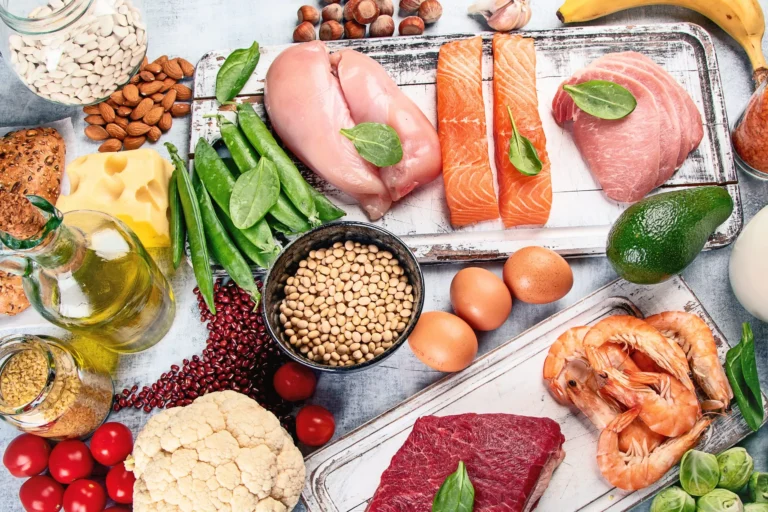
- Protein (20–30g): Repairs and rebuilds muscle fibers
- Carbs: Restores glycogen and prevents fatigue
- Fluids & Electrolytes: Replace what’s lost through sweat
👉 Example: A protein shake with a banana right after training, followed by a proper meal like grilled chicken, quinoa, and veggies ensures faster recovery.
🔹 The Science of Nutrient Timing
Research shows that nutrient timing plays a key role in performance and recovery
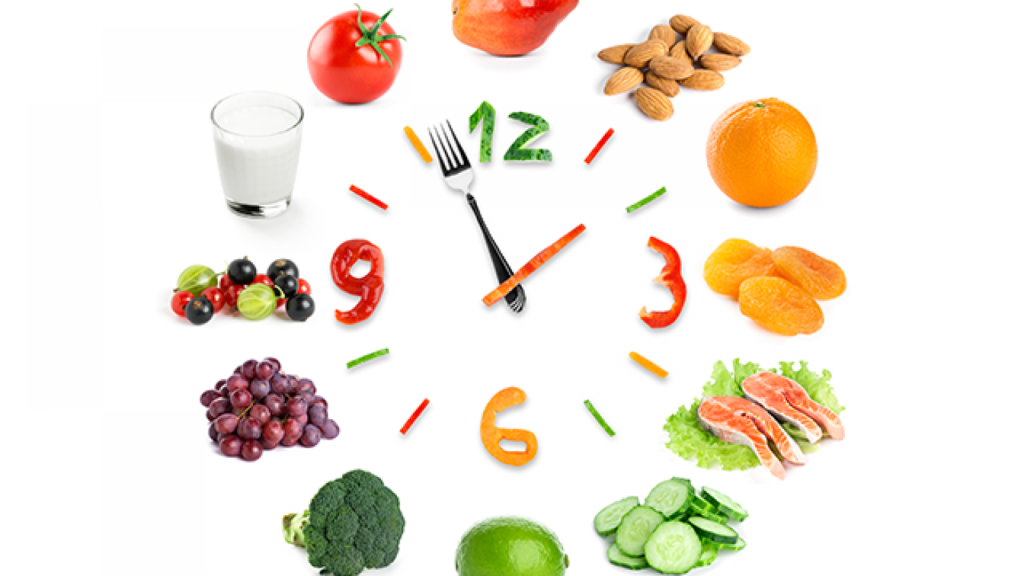
- Pre-Workout Window (1–2 hours before): Eating carbs and protein increases energy levels, raises amino acids in the bloodstream, and primes muscles for work.
- Post-Workout Window (30–60 minutes after): Known as the “anabolic window,” this is when your body is most efficient at absorbing nutrients for repair and growth.
🔹 Common Mistakes People Make
- Skipping meals before training – leads to low energy.
- Only drinking protein shakes post-workout – missing the benefit of carbs for recovery.
- Eating heavy or greasy foods before exercise – slows digestion and causes discomfort.
- Not hydrating properly – dehydration reduces performance and delays recovery.
🔹 Key Takeaway
Think of pre-workout nutrition as fueling your workout engine and post-workout nutrition as refueling and repairing. Both are essential for anyone who wants strength, fat loss, or muscle gain.
Conclution
The secret to maximizing your workout isn’t just how you train, but also how you fuel your body before and after. Pre-workout food boosts your energy; post-workout food helps your muscles recover. Balance both, and your fitness journey becomes smoother and more rewarding.
Example
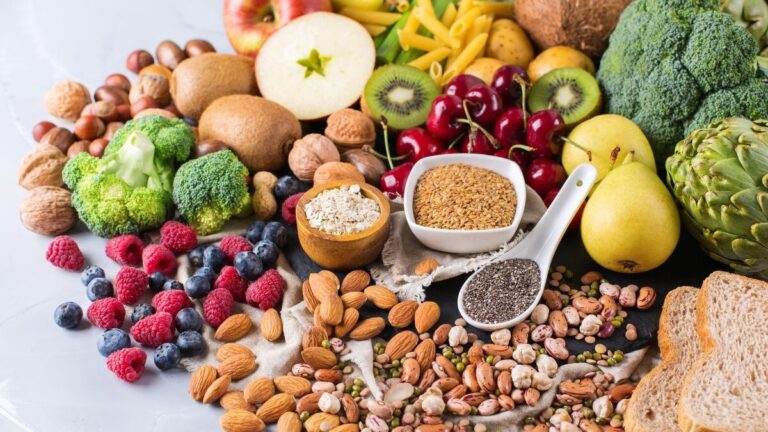
- Pre-Workout Meal Idea: Oatmeal topped with berries and a scoop of Greek yogurt.
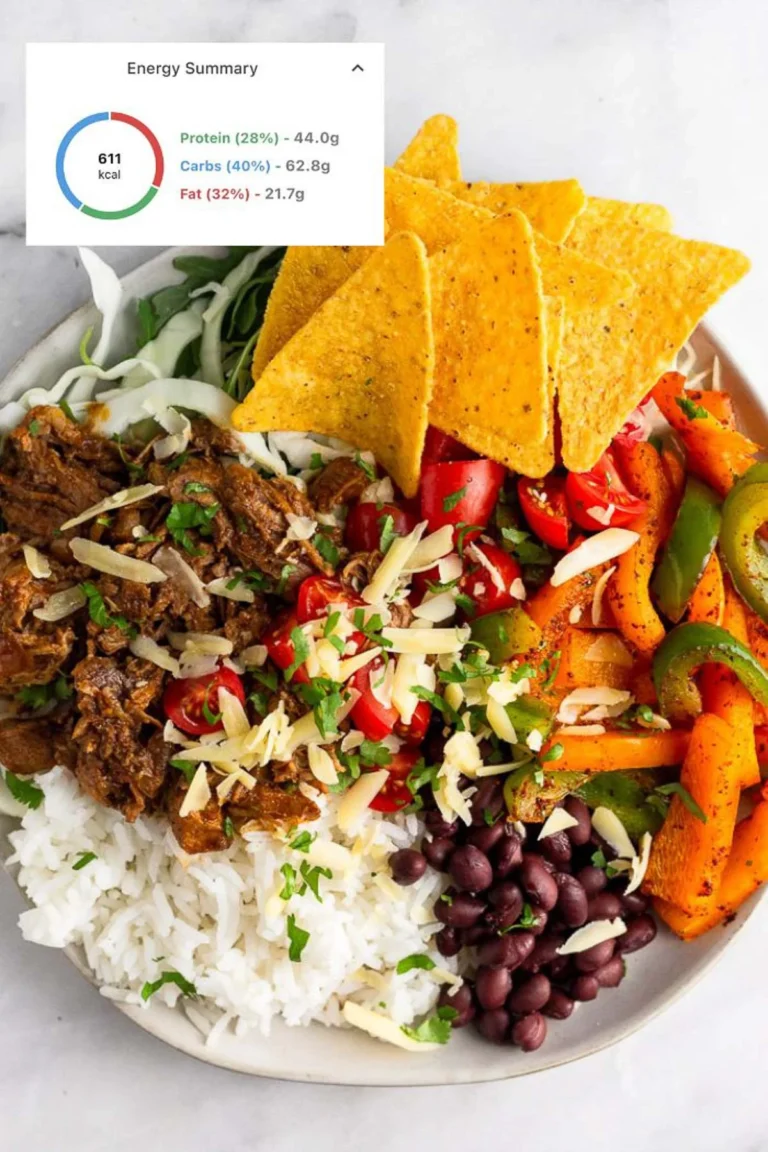
- Post-Workout Meal Idea: Grilled chicken breast with quinoa and roasted vegetables.
Transition Words (Samples Used in Article)
- For Addition: moreover, in fact, also, additionally
- For Contrast: however, instead, on the other hand
- For Cause/Effect: therefore, as a result, consequently
- For Sequence: first, next, then, finally
✅ Intransitive Example: “Muscles grow when they recover.”
✅ Transitive Example: “Protein repairs muscle fibers.”
External Links
- American College of Sports Medicine – Nutrition and Athletic Performance
- Healthline – What to Eat Before and After a Workout
Internal Linkshttp://Internal Linking for SEO: The Complete Guide (replace with your site’s articles)
- Top 10 Protein-Rich Foods for Muscle Growth
- Full-Body Gym Routine for Beginners
- The Science Behind HIIT: Burn Fat in Less Time
❓ FAQs on Pre-Workout vs Post-Workout Nutrition
1. Should I eat carbs before or after a workout?
Both! Carbs before exercise give you energy, while carbs after exercise help replenish lost glycogen stores.
2. Is it okay to work out on an empty stomach?
It depends. Some people can handle fasted workouts (like morning cardio), but for strength training, eating before is usually better for performance.
3. How much protein do I need after a workout?
Aim for 20–30 grams of high-quality protein within an hour after exercise to support muscle repair and growth.
4. What are the best pre-workout snacks?
Bananas, oatmeal, Greek yogurt with berries, or whole-grain toast with nut butter are great quick options.
5. Can I just drink a protein shake after a workout?
Yes, protein shakes are convenient. However, pairing your shake with carbs (like a banana or oats) helps recovery more effectively.
6. How soon after working out should I eat?
Ideally within 30–60 minutes post-workout for maximum recovery benefits.
7. Do I need fat in my pre or post-workout meal?
A little healthy fat is fine pre-workout (like peanut butter or avocado), but avoid heavy, greasy foods as they slow digestion.
🔄 Comparison Table: Pre-Workout vs Post-Workout Nutrition
| Aspect | Pre-Workout Nutrition | Post-Workout Nutrition |
|---|---|---|
| Main Purpose | Fuel the body with energy for performance | Repair muscles and restore glycogen levels |
| Best Time to Eat | 1–2 hours before exercise | Within 30–60 minutes after exercise |
| Focus Nutrients | Complex carbs + Lean protein + Small healthy fats | Protein + Fast-digesting carbs |
| Food Examples | Oatmeal with berries, chicken with rice, banana & PB | Protein shake with banana, grilled fish & sweet potato |
| Energy Effect | Provides sustained energy and prevents fatigue | Reduces muscle soreness and speeds up recovery |
| What to Avoid | Heavy, greasy, or sugary junk foods | Skipping protein or eating only carbs |
About the Author