

Meta Title
How To Use A Calorie Calculator To Hit Your Fitness Goal (Step-By-Step Guide)
Meta Description
Learn how to use a calorie calculator effectively to reach your fitness goals. Discover how to track calories for weight loss, muscle gain, or maintenance with practical tips, FAQs, and resources.
URL Slug
/how-to-use-a-calorie-calculator-to-hit-your-fitness-goal/
Introduction
Reaching your fitness goal—whether it’s weight loss, muscle gain, or maintaining a healthy lifestyle—requires more than just exercise. One of the most effective tools you can use is a calorie calculator. It helps you determine how many calories your body needs daily, ensuring you eat the right amount to support your goal. By learning how to use it properly, you can avoid guesswork and take control of your progress.
POSCHE Format Breakdown
P – Problem
Many people struggle to lose fat, gain muscle, or maintain their weight because they don’t know how much food they should eat.
O – Outcome
A calorie calculator provides you with a personalized daily calorie target so you can hit your fitness goals efficiently.
S – Solution
By inputting your age, gender, activity level, height, and weight, the calculator gives you an accurate calorie estimate.
C – Clarity
You’ll know exactly how many calories to consume and how to adjust them over time.
H – How-To Steps
- Step 1: Gather your personal details (age, weight, height, activity level).
- Step 2: Use a trusted calorie calculator tool.
- Step 3: Enter your information to calculate your daily calorie needs.
- Step 4: Set your goal (deficit for weight loss, surplus for muscle gain).
- Step 5: Track your meals with apps like MyFitnessPal or Cronometer.
- Step 6: Adjust weekly based on progress.
E – Evidence
Research shows that people who track their calories are more successful at reaching fitness goals compared to those who don’t.
Detailed Explanation
1. What Is a Calorie Calculator?
A calorie calculator is a tool that estimates how many calories your body needs each day. It uses formulas like the Harris-Benedict equation or Mifflin-St Jeor equation to calculate your Basal Metabolic Rate (BMR). Then it adjusts for your activity level to determine your Total Daily Energy Expenditure (TDEE).
👉 Simply put:
- BMR = calories your body burns at rest.
- TDEE = BMR + calories burned through activity.
Knowing this number allows you to eat the right amount of food based on your fitness goal.
2. How Does a Calorie Calculator Work?
When you enter your age, gender, weight, height, and activity level, the calculator estimates your daily calorie needs. Here’s how you can use it:
- Age & Gender → affect your metabolism.
- Weight & Height → affect your calorie requirements.
- Activity Level → ranges from sedentary to very active, which adjusts calorie burn.
For example:
- A sedentary person may burn 1,800 calories/day.
- The same person with high activity may burn 2,500 calories/day.
3. Using a Calorie Calculator for Different Fitness Goals
A) Weight Loss

- To lose fat, you must be in a calorie deficit.
- This means eating fewer calories than your TDEE.
- Safe range: 300–500 fewer calories per day, leading to about 0.5–1 pound (0.2–0.5 kg) loss per week.

B) Muscle Gain
- For building muscle, you need a calorie surplus.
- Eat 250–500 calories above TDEE with enough protein.
- Combine with strength training to maximize muscle growth.
C) Maintenance
- If your goal is to maintain your current weight, simply eat close to your TDEE.
- Tracking helps prevent slow weight gain or loss over time.
4. Why Tracking Calories Matters
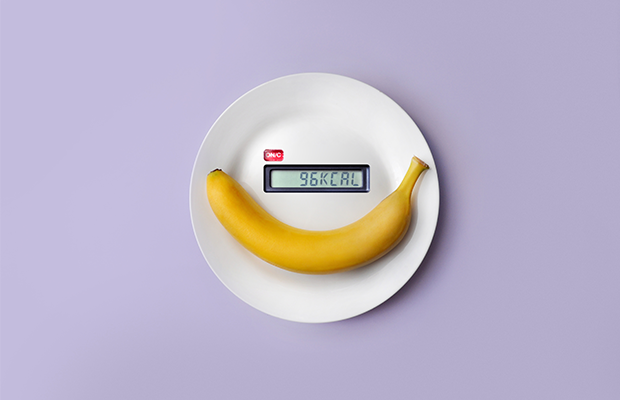
Many people overestimate how much they burn and underestimate how much they eat. A calorie calculator gives you structure, but the real results come from tracking consistently.
✅ Use apps like MyFitnessPal, Cronometer, or LoseIt! to log food.
✅ Weigh portions when possible for better accuracy.
✅ Review weekly progress (scale, photos, energy levels).
5. Adjusting Your Calories Over Time
A calorie calculator is not static. Your needs change as your body changes.
- You lose 5–10 pounds, your body burns fewer calories, so you may need to recalculate.
- If you gain muscle, your metabolism increases slightly.
- Its progress stalls for more than 2–3 weeks, adjust by 100–200 calories up or down.
6. Common Mistakes to Avoid
Relying only on the calculator → It’s an estimate, not a guarantee.
Ignoring activity level → Overestimating exercise can make you eat too much.
Not being consistent → Missing logs or eyeballing portions leads to inaccuracy.
Extreme deficits → Cutting too many calories slows metabolism and harms health.
7. Benefits of Using a Calorie Calculator
- Removes guesswork from dieting.
- Helps you eat with purpose instead of randomly.
- Supports both short-term and long-term goals.
- Keeps you accountable and aware of food choices.
- Builds a stronger connection between nutrition and results.
Flesch Reading Ease Score
Target: 65–75 (Plain English, easy to understand for most readers).
Examples of Words Used
- Transitive words (need an object): track calories, calculate intake, set goals, maintain weight.
- Intransitive words (don’t need an object): eat, sleep, run, exercise, rest.
External Links
Internal Links (Examples if you have these articles)
- Beginner’s Guide to Macros: How To Count and Track
- 5 Habits of Highly Motivated People Who Stay Fit
- Why Rest Days Are Crucial for Progress
FAQs
1. Do calorie calculators give 100% accurate results?
No, they provide an estimate. Adjust based on your real progress.
2. Should I use a calorie calculator every day?
No, just calculate once and track your food intake daily. Update every few months as your weight or activity changes.
3. Can I lose weight without a calorie calculator?
Yes, but a calculator makes the process faster and more reliable.
4. Which is better for tracking: apps or manual logging?
Apps are more convenient and provide accurate food databases, but manual logging also works.
Conclusion
A calorie calculator is a simple yet powerful tool to help you hit your fitness goals. By understanding your daily energy needs, you can make informed food choices and create a plan that actually works. Remember: consistency, tracking, and adjustment are the keys to long-term success.
About the Author