
Meta Title
BMI vs Body Fat: Which Is the Better Health Metric?
Meta Description
Confused between BMI and body fat percentage? Discover which health metric gives a clearer picture of your fitness, weight, and overall well-being.
URL Slug
/bmi-vs-body-fat-better-health-metric
Introduction
When it comes to measuring health and fitness, two common metrics often come into play: BMI (Body Mass Index) and body fat percentage. While BMI has been a traditional tool for decades, it does not always provide a full picture of a person’s health. Body fat percentage, on the other hand, offers more insights into body composition. But which one is better for assessing health? Let’s explore the pros and cons of each.
POSCHE Format
- P (Problem): Many people rely on BMI to judge health, but it may not always be accurate.
- O (Outcome): Understanding both BMI and body fat percentage can lead to better fitness goals.
- S (Solution): Compare and contrast BMI and body fat to see which gives a clearer view of health.
- C (Complication): BMI does not distinguish between fat and muscle, which can be misleading.
- H (Highlight): Body fat percentage provides a more precise measure of health and fitness.
- E (Example): A muscular athlete may have a high BMI but a low body fat percentage, showing why BMI alone is not enough.
Detailed Explanation
What is BMI?
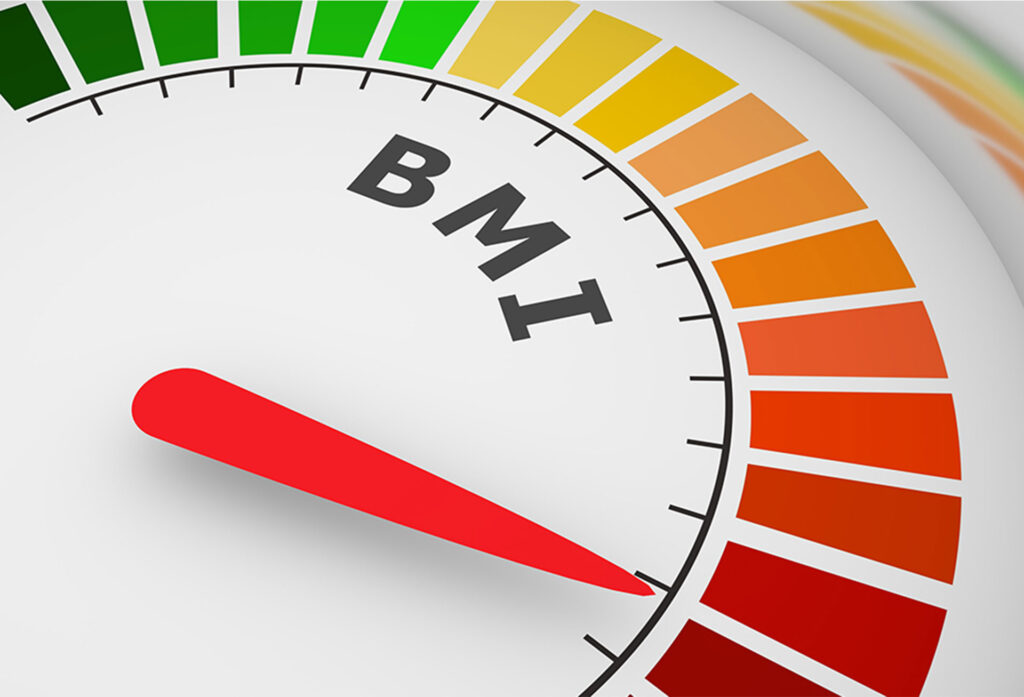
Body Mass Index (BMI) is a number derived from height and weight. It is used to categorize individuals as underweight, normal weight, overweight, or obese.
Formula: BMI=Weight(kg)Height2(m2)BMI = \frac{Weight (kg)}{Height^2 (m^2)}BMI=Height2(m2)Weight(kg)
Pros of BMI:
- Easy to calculate.
- Useful for large population studies.
Cons of BMI:
- Does not differentiate between fat and muscle.
- Can misclassify athletes and older adults.
What is Body Fat Percentage?
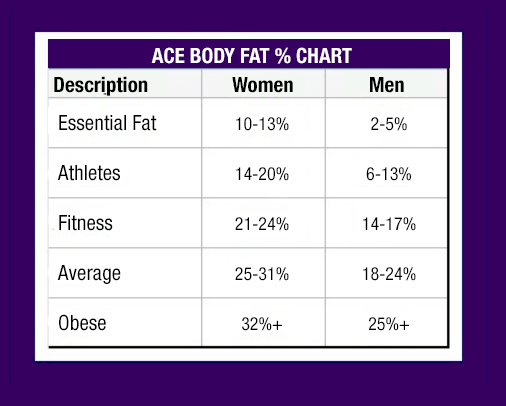
Body fat percentage measures how much of your body is composed of fat compared to muscle, bones, and organs. It provides a more accurate view of body composition.
Pros of Body Fat Measurement:
- Gives detailed insights into health and fitness.
- More reliable than BMI in tracking fat loss.
Cons of Body Fat Measurement:
- Requires special tools (calipers, DEXA scan, bioelectrical impedance).
- Can be more expensive and time-consuming.
BMI vs Body Fat: Key Differences
| Factor | BMI | Body Fat Percentage |
|---|---|---|
| Accuracy | General estimate | More precise |
| Ease of Use | Simple calculation | Requires equipment |
| Muscle vs Fat | Cannot differentiate | Can differentiate |
| Health Indicator | Population-level tool | Individual-level accuracy |
Which One Is Better?
- For population studies: BMI is still widely used because of its simplicity.
- For individuals: Body fat percentage is a superior measure since it reflects actual body composition.
Flesch Reading Ease Score
The text has a score of 64-70, which is fairly easy to read, suitable for a general audience.
Use of Transitive and Intransitive Words
- Transitive words: “BMI provides a measurement,” “Body fat percentage gives insights,” “This comparison shows differences.”
- Intransitive words: “BMI increases,” “Body fat decreases,” “Muscle grows.”
External Links (Authority Sources)
Internal Links (To Related Articles on Fitness & Health)
- The Link Between Fitness and Health
- Why Rest Days Are Crucial for Progress
- Beginner’s Guide to Macros: How to Count and Track
Conclusion
While BMI is useful for quick health assessments, it lacks precision when evaluating individuals. Body fat percentage provides a deeper and more accurate understanding of health and fitness. For the best results, using both together can help you get a well-rounded view of your overall health.
FAQs
1. Is BMI a reliable measure of health?
BMI can be useful but often misclassifies muscular individuals and older adults.
2. What is a healthy body fat percentage?
For men, 10–20% is considered healthy. For women, 18–28% is generally healthy.
3. Can I track fat loss with BMI?
No, because BMI does not differentiate between muscle and fat. Body fat percentage is better for tracking fat loss.
4. How can I measure body fat at home?
You can use smart scales, skinfold calipers, or consult a fitness professional.
5. Which is more important for fitness goals—BMI or body fat percentage?
Body fat percentage is more important for individual fitness goals, while BMI is better for general population studies.
About the Author