

Meta Information
- Title: How To Set Measurable Fitness Goals Using Data
- Description: Learn how to use fitness data to set measurable, achievable, and trackable goals for your health and performance improvement.
- Focus Keyword: Measurable Fitness Goals
- URL Slug: how-to-set-measurable-fitness-goals-using-data
Introduction
Setting fitness goals is essential for success, but vague goals like “I want to get fit” often fail. Data-driven fitness goals, however, turn your motivation into measurable progress. With the help of wearable devices, fitness apps, and smart analytics, you can track your health more precisely than ever.
Let’s explore how to set measurable fitness goals using data that actually help you stay consistent, improve performance, and celebrate results.
Step 1: Understand the Power of Fitness Data

Data provides an honest picture of your current fitness level. Metrics like heart rate, body fat percentage, step count, and VO₂ max tell you what to improve.
You can collect this data through:
- Wearable devices (e.g., Fitbit, Garmin, Apple Watch)
- Smart scales that measure weight and body composition
- Fitness apps like MyFitnessPal, Strava, or WHOOP
💡 Tip: Always record baseline data before starting a new fitness plan.
Step 2: Define SMART Goals
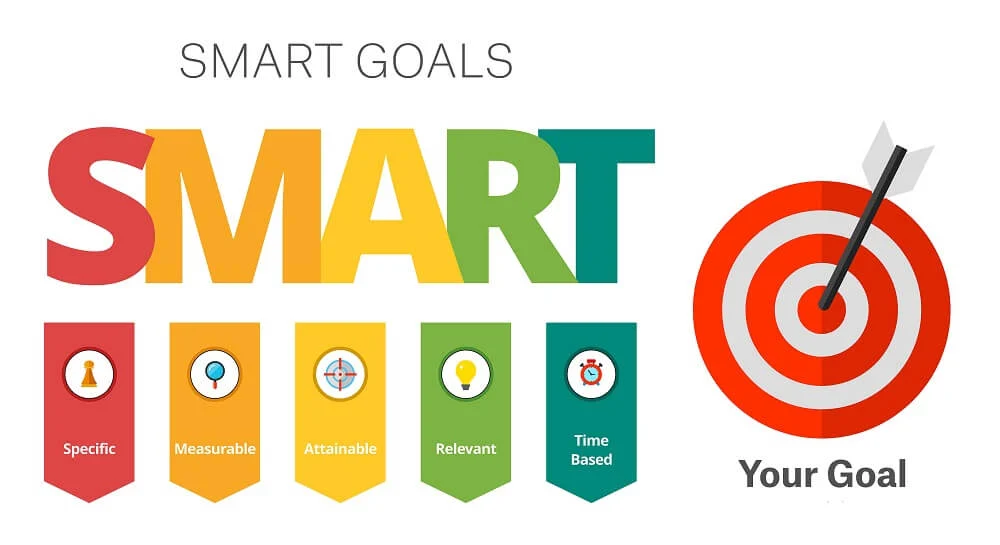
Your goals should follow the SMART principle:
- Specific: Clearly state what you want (e.g., “Run 5 km in under 30 minutes”).
- Measurable: Use data to track progress (e.g., track running pace weekly).
- Achievable: Set realistic expectations based on your data trends.
- Relevant: Align your goal with your long-term health vision.
- Time-bound: Assign a timeline (e.g., “Within 8 weeks”).
This structure transforms motivation into measurable results.
Step 3: Use Data Analytics To Track Progress

Modern tools turn numbers into insights.
- Heart rate data shows recovery and endurance.
- Sleep data reveals recovery quality.
- Caloric data helps adjust diet to meet goals.
Use apps or spreadsheets to analyze weekly averages. Visual charts can help you see whether you’re improving or plateauing.
📊 Example: If your average heart rate during runs decreases while pace improves, your endurance is growing.
Step 4: Adjust Goals Based on Insights

Data-driven fitness means flexibility. If you’re consistently missing a target, analyze why:
- Is your recovery inadequate?
- Is your nutrition off balance?
- Are you training too intensely?
Small adjustments, like changing rest days or calorie intake, can make your goals achievable again.
Step 5: Celebrate Milestones
Don’t wait until the end to reward yourself. Use measurable data to celebrate smaller victories:
- Hitting a new personal best
- Reducing body fat percentage
- Increasing daily steps
Recognition builds motivation and keeps your mindset strong.
Internal Links
- Understanding Body Composition: Beyond Weight and BMI
- How To Track Strength Progress Accurately
- The Best Wearable Devices for Fitness Performance Tracking
External Links
FAQs
1. Why is data important in setting fitness goals?
Data makes your progress visible and measurable, helping you stay accountable and focused.
2. What devices help track fitness data?
Wearables like Garmin, Fitbit, and Apple Watch track steps, heart rate, calories, and more.
3. How often should I review my progress?
Weekly or bi-weekly tracking helps you stay on course and make timely adjustments.
4. Can beginners use data-driven fitness plans?
Absolutely! Even basic step counts or calorie tracking can provide helpful feedback.
Conclusion
Setting measurable fitness goals using data transforms your fitness journey into a clear, trackable path. By combining accurate metrics, smart analysis, and consistent review, you’ll stay motivated and confident in your progress. Remember—numbers don’t lie, but they do inspire.
Start tracking, stay consistent, and let your data tell your success story.
🔗 Suggested Internal Links
From the Performance & Testing Category
- The Science Behind Athlete Performance Testing
- Top 10 Performance Tests Every Athlete Should Try
- How To Track Strength Progress Accurately
- Understanding Body Composition: Beyond Weight and BMI
- The Ultimate Guide to VO₂ Max Testing for Athletes
- How To Use Heart Rate Variability (HRV) To Improve Recovery
- How To Measure Your Fitness Performance Like a Pro
From the Health & Wellness Category
- The Importance of Rest and Recovery in Fitness Training
- How Nutrition Impacts Athletic Performance
- Building a Sustainable Fitness Routine for Long-Term Health
From the Mindset & Motivation Category
- How To Stay Motivated When Progress Slows Down
- The Power of Goal Setting in Fitness Success
- How To Build a Positive Fitness Mindset
💡 Example Usage in the Article
You can insert these naturally like this:
“Before setting measurable goals, it’s important to understand your current fitness level. Learn more in our guide on The Science Behind Athlete Performance Testing.”
Or:
“Tracking your results over time builds confidence. Discover how to Stay Motivated When Progress Slows Down.”
Internal Links
- Understanding Body Composition: Beyond Weight and BMI
- How To Track Strength Progress Accurately
- The Best Wearable Devices for Fitness Performance Tracking
About the Author