Meta Information
- Title: Speed and Agility Tests for Competitive Athletes
- Meta Description: Discover the top speed and agility tests used by elite athletes to measure and enhance performance. Learn how to perform, interpret, and apply results to your training.
- Focus Keyword: Speed and Agility Tests
- URL Slug:
/speed-and-agility-tests-for-competitive-athletes
Introduction
Speed and agility are cornerstones of athletic performance. Whether you’re a sprinter, football player, or basketball athlete, your ability to move quickly and change direction efficiently can make all the difference in competition. This guide explains the most effective speed and agility tests used in sports science to assess and improve athletic capability.
⚡ Detailed Explanation: Top Speed and Agility Tests
1. 40-Yard Dash
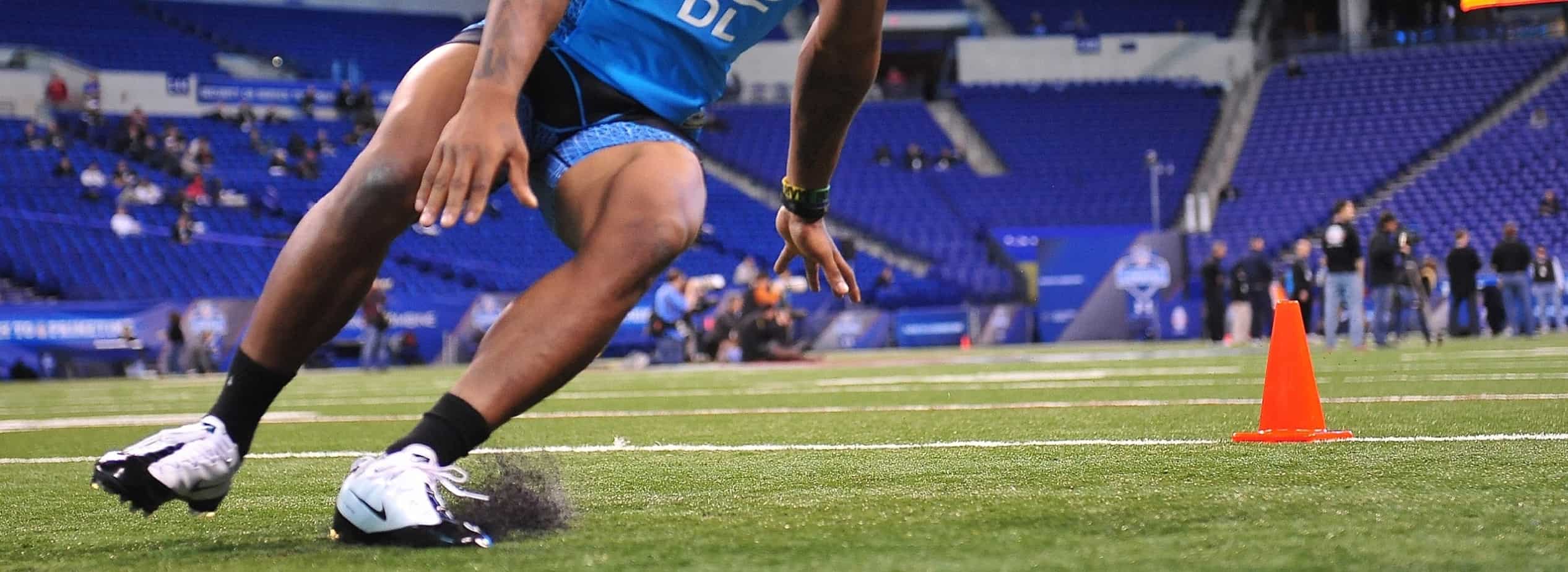
Purpose: Measures straight-line sprinting speed and acceleration.
How It’s Done: The athlete sprints 40 yards as fast as possible, and timing gates record the result.
Why It Matters: Commonly used in American football and track to gauge explosive speed.
Tip: Focus on explosive starts and short-burst acceleration drills.
2. T-Test
Purpose: Evaluates multidirectional speed, agility, and change of direction.
How It’s Done: Athletes sprint forward, shuffle side-to-side, and backpedal in a T-shaped pattern.
Why It Matters: Excellent for soccer, basketball, and tennis players where lateral movement is crucial.
Pro Tip: Maintain low body position to improve balance and control during lateral transitions.
3. 5-10-5 Shuttle (Pro Agility Test)
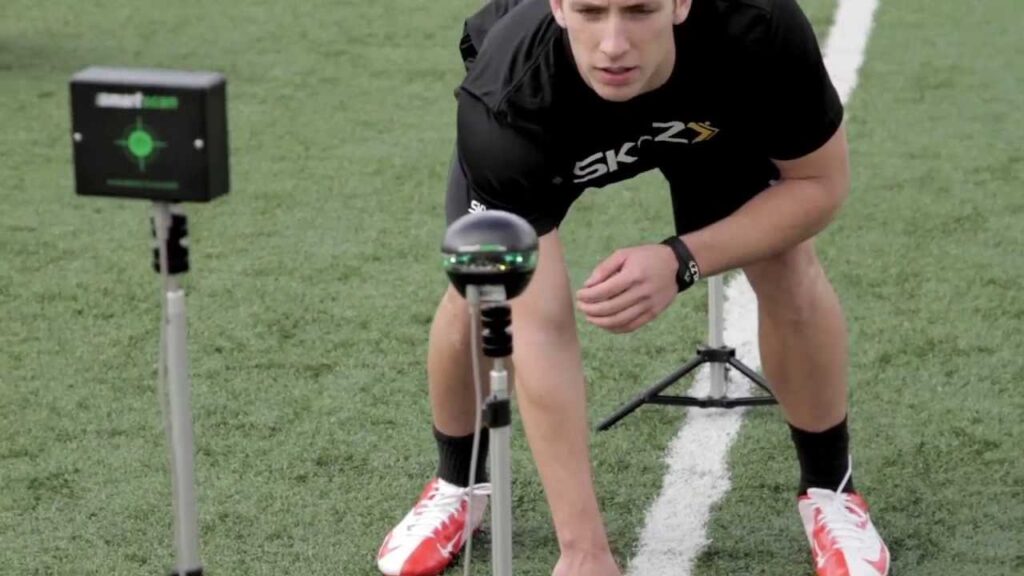
Purpose: Measures quickness and body control during rapid direction changes.
How It’s Done: Sprint 5 yards right, 10 yards left, and 5 yards back to start.
Why It Matters: Used widely in NFL Combine and agility-based sports.
Training Focus: Incorporate cone drills and reaction-based exercises for better times.
4. Illinois Agility Test
Purpose: Assesses agility, speed, and coordination through a set cone course.
How It’s Done: Run around and between cones arranged in a specific pattern as quickly as possible.
Why It Matters: Reflects real-game movement patterns involving starts, stops, and sharp turns.
Optimization Tip: Practice cutting techniques and improve footwork precision.
5. 505 Agility Test
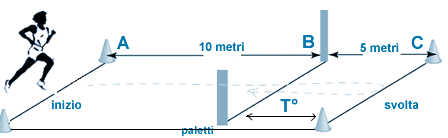
Purpose: Evaluates acceleration, deceleration, and change of direction over 5 and 10 meters.
How It’s Done: Sprint 10 meters, turn 180°, and return 5 meters.
Why It Matters: Excellent for athletes in rugby, soccer, and hockey.
Drill Suggestion: Add deceleration drills to strengthen hamstrings and improve turning efficiency.
🧠 Why Speed and Agility Testing Matters
Speed and agility tests aren’t just about performance—they’re about measurable progress. Tracking results allows coaches to design data-driven training programs that target weaknesses, prevent injuries, and enhance reaction time.
🔗 Internal Links
To enhance your athletic knowledge, explore related articles:
- The Science Behind Athlete Performance Testing
- How To Perform A Functional Movement Screen (FMS)
- Power Output Testing: What It Is And Why It Matters
- Understanding Body Composition: Beyond Weight and BMI
🌍 External Links (Authoritative References)
- National Strength and Conditioning Association (NSCA)
- Science for Sport: Agility Testing Explained
- Sports Performance Bulletin: Speed Training
❓ FAQs
Q1: How often should athletes perform speed and agility tests?
A: Every 4–6 weeks to track progress and adjust training intensity accordingly.
Q2: Are these tests suitable for youth athletes?
A: Yes, but ensure proper supervision and focus on technique over performance speed.
Q3: Which test is best for team sports?
A: The T-Test and 5-10-5 Shuttle are ideal for assessing game-relevant agility.
Q4: Can speed and agility be improved with training?
A: Absolutely! Consistent plyometric, sprint, and reaction drills enhance both speed and agility significantly.
🏁 Conclusion
Speed and agility tests are vital tools for every competitive athlete aiming to reach elite performance levels. By implementing structured testing routines and tracking progress over time, you can sharpen your explosive power, coordination, and reaction speed—giving you a real advantage on the field.
Suggested Read Next:
👉 How To Use Heart Rate Variability (HRV) To Improve Recovery
👉 How To Set Measurable Fitness Goals Using Data
About the Author