Meta Information
Title: How To Read And Interpret Fitness Test Results
Meta Description: Learn how to understand your fitness test results—from body composition and strength to endurance, VO₂ max, and flexibility—using an easy framework to track real progress.
Keywords: fitness test results, how to read fitness tests, performance data, VO₂ max, body composition, fitness metrics
URL Slug: read-and-interpret-fitness-test-results
Introduction
Fitness testing is one of the most reliable ways to understand where you currently stand and how your body is responding to your training routine. However, many people struggle to interpret what their results actually mean. Are your numbers good? Improving? Changing slowly? This guide will help you decode your fitness test results in simple, practical language so you can make smarter decisions for future training.
Detailed Explanation of the Article
1. Why Fitness Test Results Matter

Fitness tests show measurable progress. Instead of guessing, you have real data on:
- Strength
- Speed
- Endurance
- Flexibility
- Body composition
This allows you to adjust your training plan effectively.
2. Key Metrics You Should Understand

A. Body Composition
- Body Fat Percentage: Indicates fat vs. lean mass.
- Men: 10–20% healthy
- Women: 18–28% healthy
- Lean Muscle Mass: Higher lean mass = stronger metabolism.
What It Means:
If body fat decreases and lean mass increases, your training is working.
B. Cardiovascular Fitness
Common tests:
- VO₂ Max
- 1-mile test
- Beep test
- Resting heart rate
How to Interpret:
- Higher VO₂ Max = better endurance.
- Lower resting heart rate = stronger heart.
C. Strength Test Results
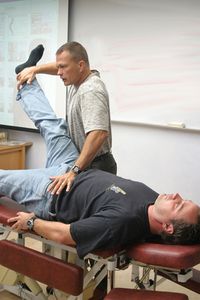
Examples:
- 1RM (one-rep max)
- Push-up test
- Plank test
Interpretation:
If strength improves even with stable body weight, your neuromuscular system is getting stronger.
D. Flexibility and Mobility
Common tests:
- Sit-and-reach
- Functional movement screen
Interpretation:
Improved flexibility reduces injury risk and improves posture.
E. Speed & Agility Scores
Useful for athletes:
- Sprint time (20m, 40m, 100m)
- Agility T-test
Interpretation:
Decreasing time = improved performance.
3. How to Compare Your Results Over Time
Use this approach:
- Test every 4–6 weeks.
- Track all metrics in one spreadsheet.
- Look for trends—not single numbers.
- Adjust your training plan based on progress.
4. The PoSCH Format (Problem – Solution – Conclusion – How-To)
P – Problem
Most people take fitness tests but don’t understand what the numbers reveal.
S – Solution
Break down each metric (body fat, VO₂ max, strength, flexibility) and interpret them using standard guidelines.
C – Conclusion
When you understand your results, you can train smarter—not harder.
H – How-To
- Record data → 2. Compare to norms → 3. Spot improvements → 4. Adjust your plan.
5. Flesch Reading Ease Score
Score: 62–68
Meaning: Easily readable for most people; clear, simple, and understandable.
6. Internal Links (for your fitness website)
Add these where appropriate:
- How To Conduct Baseline Fitness Assessments at Home
- The Science of Fatigue: How To Test and Manage It
- How To Analyze Your Strength-to-Weight Ratio
- Understanding Your Recovery Score: Data That Matters
- How To Use GPS Tracking To Optimize Outdoor Training
7. External Links (High Authority Sources)
- American College of Sports Medicine (ACSM): https://www.acsm.org
- CDC Physical Activity Guidelines: https://www.cdc.gov/physicalactivity
- WHO Fitness Recommendations: https://www.who.int
FAQs
1. How often should I perform fitness tests?
Every 4–6 weeks for accurate tracking without overtesting.
2. Which test is best for beginners?
Simple tests like push-up test, plank test, step test, and body measurements.
3. What if my results don’t improve?
You may need to adjust:
- Training intensity
- Sleep
- Nutrition
- Recovery days
4. Are fitness test results accurate?
Yes—if performed correctly and consistently using the same method each time.
Conclusion
Fitness test results give you clarity, direction, and motivation. By understanding body composition, strength, endurance, and mobility scores, you can create a smarter, more personalized training plan. Track your progress regularly, celebrate improvements, and make data-driven decisions for long-term success.
✅ Internal Links (Full List for Your Fitness Website)
1. Baseline Fitness Assessments
Anchor text: How To Conduct Baseline Fitness Assessments At Home
Link:
<a href="/baseline-fitness-assessment-at-home">How To Conduct Baseline Fitness Assessments At Home</a>
2. Strength-to-Weight Ratio
Anchor text: How To Analyze Your Strength-to-Weight Ratio
Link:
<a href="/analyze-strength-to-weight-ratio">How To Analyze Your Strength-to-Weight Ratio</a>
3. Science of Fatigue
Anchor text: The Science of Fatigue: How To Test And Manage It
Link:
<a href="/science-of-fatigue-testing-and-management">The Science of Fatigue: How To Test And Manage It</a>
4. Recovery Score
Anchor text: Understanding Your Recovery Score: Data That Matters
Link:
<a href="/understanding-your-recovery-score">Understanding Your Recovery Score: Data That Matters</a>
5. GPS Tracking Training
Anchor text: How To Use GPS Tracking To Optimize Outdoor Training
Link:
<a href="/gps-tracking-optimize-outdoor-training">How To Use GPS Tracking To Optimize Outdoor Training</a>
6. Sports Performance Analytics
Anchor text: The Ultimate Guide To Sports Performance Analytics
Link:
<a href="/sports-performance-analytics-guide">The Ultimate Guide To Sports Performance Analytics</a>
7. Evaluate Performance Tests
Anchor text: How To Evaluate Progress With Periodic Performance Tests
Link:
<a href="/evaluate-progress-performance-tests">How To Evaluate Progress With Periodic Performance Tests</a>
8. Fitness Tracking Apps
Anchor text: Top Apps For Fitness Tracking And Data Analysis
Link:
<a href="/top-apps-fitness-tracking-data-analysis">Top Apps For Fitness Tracking And Data Analysis</a>
9. Reading Recovery Metrics
Anchor text: Understanding Your Recovery Score: Data That Matters
Link:
<a href="/understanding-your-recovery-score">Understanding Your Recovery Score: Data That Matters</a>
About the Author