
Meta Information
Title: Active vs Passive Recovery: Which Is Better for Muscle Growth and Performance?
Meta Description: Discover the difference between active and passive recovery, their benefits, drawbacks, and which method is best for muscle growth, fat loss, and athletic performance.
URL Slug: active-vs-passive-recovery-which-is-better
Primary Keywords: active recovery, passive recovery, muscle recovery, workout recovery, sports recovery
Secondary Keywords: muscle growth, DOMS relief, rest days, overtraining prevention, recovery techniques
Introduction
Recovery is not optional — it is essential. Many athletes focus heavily on training intensity but neglect proper recovery. However, muscle growth, strength gains, and performance improvements happen during recovery, not during workouts.
If you train hard but recover poorly, you risk fatigue, plateau, injury, and overtraining.
Two main recovery strategies dominate the fitness world:
- Active Recovery
- Passive Recovery
Both have benefits. Both have drawbacks. But which one is better?
In this detailed guide, we will break down the science, benefits, comparisons, and best practices so you can choose the right strategy for your goals.
For a complete foundation on recovery timelines, read:
👉 How Long Do Muscles Take to Recover
👉 Best Muscle Recovery Tips After Intense Workouts
What Is Active Recovery?

Active recovery involves performing low-intensity physical activity after intense exercise. Instead of complete rest, you keep the body moving gently.
Examples of Active Recovery:
- Walking
- Light jogging
- Cycling at low resistance
- Swimming
- Yoga
- Stretching
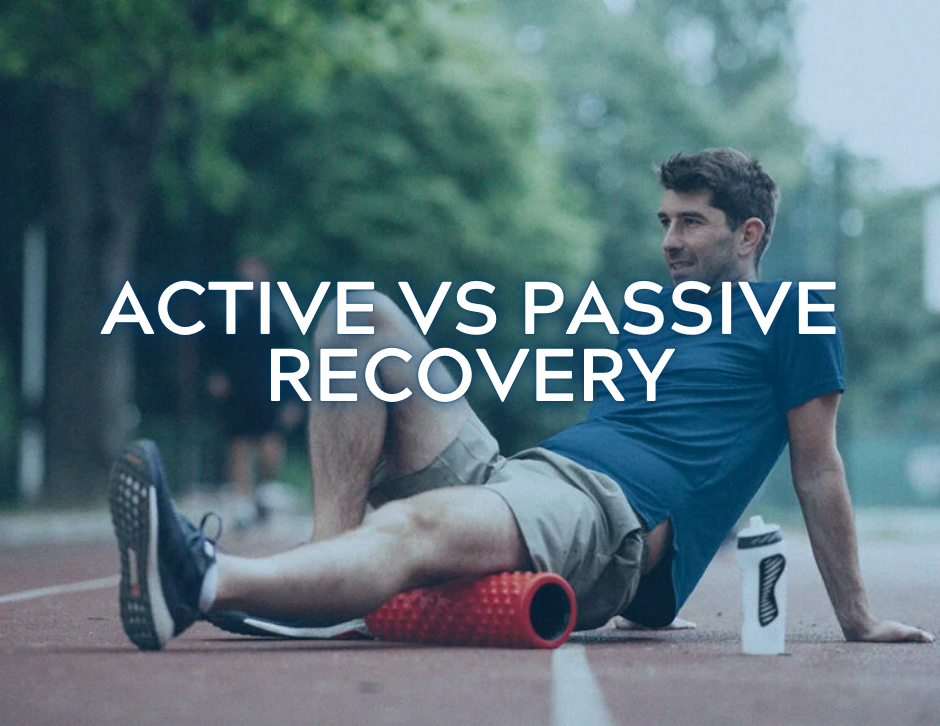
- Foam rolling
How It Works
When you exercise intensely, metabolic waste such as lactate builds up in your muscles. Light movement increases blood circulation, helping deliver oxygen and nutrients while removing waste products.
According to the American College of Sports Medicine, light activity can enhance circulation and reduce muscle stiffness.
Benefits of Active Recovery
1. Improved Blood Flow
Better circulation accelerates nutrient delivery and muscle repair.
2. Reduced Muscle Soreness (DOMS)
Studies show active recovery can reduce delayed onset muscle soreness.
3. Faster Lactate Clearancehttps://www.fitnessgenes.com/blog/trait127-lactate-clearance-and-building-muscle-mct1
Research published in the Journal of Sports Sciences suggests light activity clears lactate more efficiently than complete rest.
4. Maintains Mobility
Gentle movement prevents stiffness and maintains flexibility.
5. Mental Refresh
Light activity reduces stress and improves mood without overloading the nervous system.
What Is Passive Recovery?
Passive recovery means complete rest. No structured movement. The body repairs itself without additional activity.
Examples:
- Sleeping
- Sitting or lying down
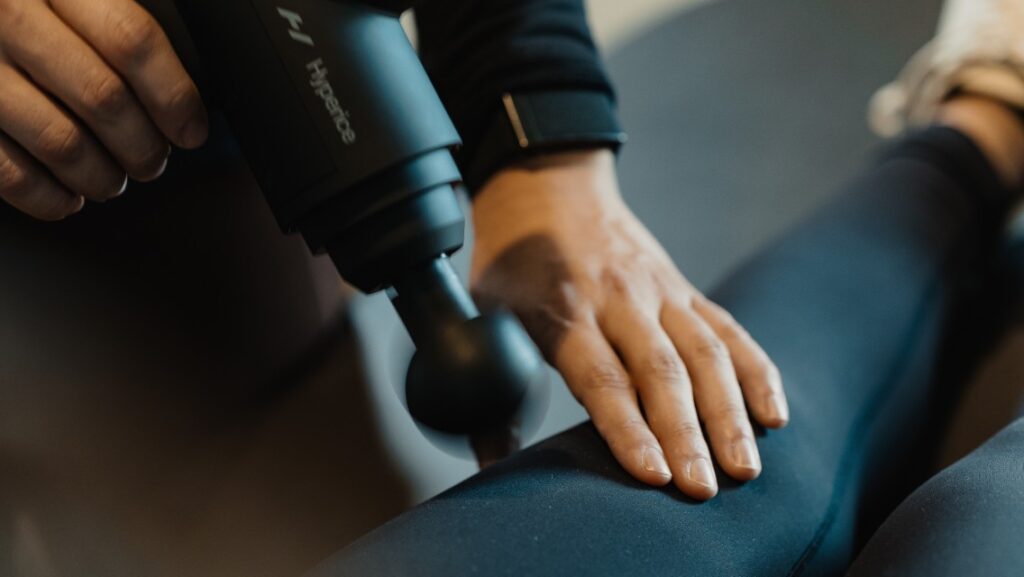
- Massage therapy
- Ice baths
- Saunas
How It Works
During passive recovery, your parasympathetic nervous system activates — also called the “rest and digest” system. Growth hormone release increases during deep sleep, supporting muscle repair.
The National Sleep Foundation reports that 7–9 hours of quality sleep significantly improves muscle recovery and performance.
Benefits of Passive Recovery
1. Maximum Energy Restoration
Full rest allows glycogen stores to fully replenish.
2. Nervous System Reset
Heavy training stresses the central nervous system. Passive rest restores it.
3. Essential for Overtraining Prevention
Without proper rest, cortisol levels rise and testosterone decreases.
4. Injury Healing
How Fitness Podcasts Build Member Trust
Microtears in muscles and connective tissues require rest for repair.
Active vs Passive Recovery: Direct Comparison
| Factor | Active Recovery | Passive Recovery |
|---|---|---|
| Blood Flow | High | Low |
| Muscle Soreness | Reduces DOMS | May remain stiff |
| Energy Restoration | Moderate | Maximum |
| Best For | Mild soreness | Extreme fatigue |
| Risk of Overuse | Slight | None |
| Mental Recovery | Moderate | High |
Which Is Better for Muscle Growth?

Muscle growth (hypertrophy) occurs when:
- Muscle fibers are damaged.
- The body repairs them stronger.
- Protein synthesis exceeds breakdown.
Research from the National Strength and Conditioning Association shows that both strategies play important roles.
Best Strategy for Growth:
- Light active recovery the day after moderate workouts.
- Full passive rest after extremely intense sessions (like heavy leg day).
Combining both is optimal.
When to Choose Active Recovery

Choose active recovery if:
- You feel mild soreness
- want to improve circulation
- You have back-to-back training days
- are in fat-loss phase
- You feel stiff but not exhausted
Ideal active recovery heart rate: 30–50% of max heart rate
When to Choose Passive Recovery
Choose passive recovery if:
- You feel extreme fatigue
- You have joint pain
- Sleep was poor
- You completed a competition
- You show signs of overtraining
Warning signs of overtraining:
- Persistent fatigue
- Elevated resting heart rate
- Mood swings
- Decreased performance
Scientific Perspective
A study published in the European Journal of Applied Physiology found that active recovery improved lactate removal faster than passive rest, but passive recovery resulted in greater total energy restoration.
Conclusion from research:
There is no universal “better” option. It depends on training intensity and recovery status.
Hybrid Recovery Approach (Best Strategy)
Elite athletes rarely choose only one.
Smart weekly plan example:
- Monday: Heavy workout
- Tuesday: Active recovery
- Wednesday: Moderate workout
- Thursday: Passive rest
- Friday: Intense training
- Weekend: Combination
This balance prevents burnout and maximizes adaptation.
Common Recovery Mistakes
- Training hard every day
- Ignoring sleep quality
- Skipping hydration
- Overdoing active recovery (making it another workout)
- Under-eating protein
Recommended protein intake:
0.7–1 gram per pound of body weight.
Recovery Optimization Tips
✔ Sleep 7–9 hours
Stay hydrated
✔ Eat sufficient protein
Stretch lightly
✔ Use foam rolling
Manage stress
✔ Track resting heart rate
For deeper guidance, read:
👉 Post-Workout Recovery Routine For Gym Athletes
👉 Speed Up Muscles Repair Naturally
FAQs
1. Is active recovery better than complete rest?
Not always. Active recovery is better for mild soreness. Passive rest is better for extreme fatigue.
2. Can I do active recovery every day?
Yes, if intensity is very low. But you still need at least one full passive rest day weekly.
3. Does active recovery build muscle?
Indirectly. It improves circulation and recovery, which supports muscle growth.
4. Is sleep considered passive recovery?
Yes. Sleep is the most powerful passive recovery tool.
5. What is best after leg day?
Light cycling or walking the next day, followed by good sleep and nutrition.
Conclusion
Active vs passive recovery is not a competition — it is a partnership.
Active recovery improves circulation, reduces soreness, and maintains mobility.
Passive recovery restores energy, repairs tissues, and resets the nervous system.
The smartest approach combines both methods based on your fatigue level, training intensity, and goals.
If your goal is muscle growth, fat loss, or performance, structured recovery is just as important as training.
Train hard.
Recover smarter.
Grow stronger.
SEO Add Keywords
active recovery benefits
passive recovery benefits
muscle soreness recovery
DOMS treatment
rest day workout ideas
recovery techniques for athletes
overtraining prevention strategies
muscle growth recovery tips
sports performance recovery
If you would like, I can now provide:
- A Pinterest description
- Schema markup (FAQ schema)
- Social media captions
- Internal link anchor text strategy
- Or a featured image prompt for this article
About the Author