🏋️ Introduction
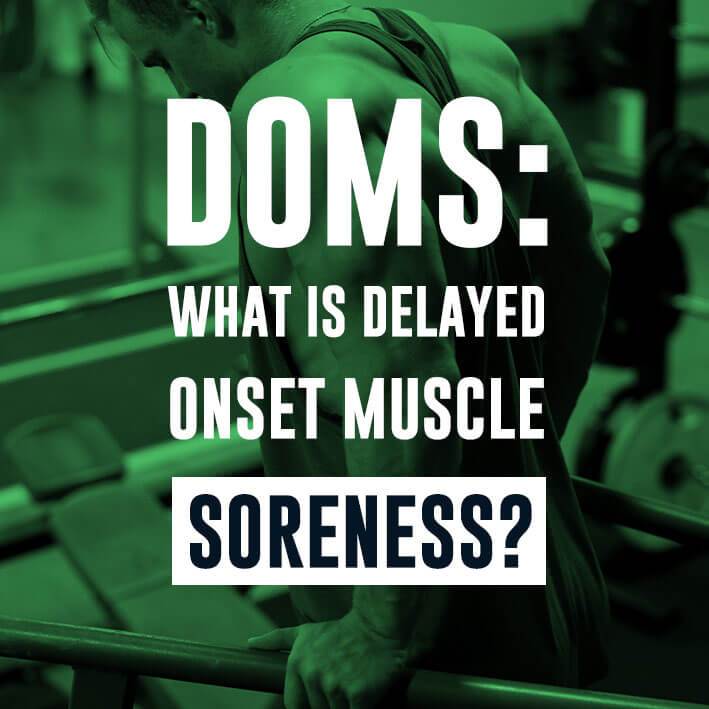
If you’ve ever started a new workout routine or pushed yourself harder in the gym, you’ve likely experienced muscle pain a day or two later. That stiff, tender, and sometimes painful feeling is called Delayed Onset Muscle Soreness (DOMS).
Unlike immediate muscle fatigue during exercise, DOMS appears 12 to 24 hours after physical activity and peaks around 24 to 72 hours later. It is common among beginners, athletes returning after a break, or anyone increasing workout intensity.
In this comprehensive guide, we will explain:
- What DOMS is
- What causes it
- Symptoms and timeline
- Science behind muscle soreness
- Proven recovery strategies
- Prevention tips
- When to worry
- FAQs and expert insights
Let’s dive deep.
📌 Meta Information
Meta Title: Delayed Onset Muscle Soreness (DOMS) Explained – Causes, Symptoms & Recovery Tips
Meta Description: Learn what Delayed Onset Muscle Soreness (DOMS) is, why it happens after workouts, how long it lasts, and the best proven recovery methods to reduce muscle soreness fast.
Focus Keyword: Delayed Onset Muscle Soreness (DOMS)
URL Slug: delayed-onset-muscle-soreness-doms-explained
🔬 What Is Delayed Onset Muscle Soreness (DOMS)?

Delayed Onset Muscle Soreness (DOMS) is temporary muscle pain and stiffness that develops after unfamiliar or intense physical activity.
It commonly occurs after:
- Strength training
- Resistance workouts
- Eccentric exercises (lowering weight slowly)
- High-intensity interval training (HIIT)
- Running downhill
- Starting a new exercise routine
DOMS is not caused by lactic acid buildup, as many people believe. Lactic acid clears from muscles within about an hour after exercise.
🧬 What Causes DOMS?
DOMS is primarily caused by microscopic muscle fiber damage.
1️⃣ Eccentric Muscle Contractions
The biggest trigger of DOMS is eccentric movement — when muscles lengthen under tension.
Example:
- Lowering dumbbells in a bicep curl
- Walking downstairs
- Running downhill
These movements create more stress on muscle fibers compared to concentric (lifting) movements.
2️⃣ Micro-Tears in Muscle Fibershttps://en.wikipedia.org/wiki/Microtrauma
During intense exercise:
- Tiny tears occur in muscle fibers
- The body initiates an inflammatory response
- White blood cells rush to repair damage
- Fluid accumulates in tissues
- Pain receptors become sensitive
This repair process causes soreness.
How Fitness Podcasts Build Member Trust
3️⃣ Inflammation and Swelling
Inflammation increases pressure inside muscle tissue. This stimulates nerve endings, leading to pain and stiffness.
⏳ DOMS Timeline
Here is a typical DOMS timeline:
| Time After Exercise | What Happens |
|---|---|
| 0–12 Hours | No major soreness |
| 12–24 Hours | Mild soreness begins |
| 24–48 Hours | Peak soreness |
| 48–72 Hours | Gradual reduction |
| 3–7 Days | Full recovery |
Recovery speed depends on:
- Workout intensity
- Fitness level
- Nutrition
- Sleep quality
🚨 Symptoms of DOMS
Common signs include:
- Muscle tenderness
- Stiffness
- Swelling
- Reduced strength
- Decreased range of motion
- Pain when touching or moving muscle
DOMS usually affects muscles on both sides of the body (symmetrical pain).
❗ DOMS vs Muscle Injury

It’s important to differentiate DOMS from injury.
DOMS:
✔ Appears 12–24 hours later
Improves within a few days
✔ Feels dull and achy
Affects both sides
Injury:
❌ Sudden sharp pain
Immediate swelling
❌ Bruising
Severe weakness
❌ Pain lasting more than 7 days
If pain is severe or persistent, consult a healthcare professional.
🧠 The Science Behind DOMS
Research shows that DOMS is linked to:
- Structural damage to muscle cells
- Inflammatory response
- Increased creatine kinase levels
- Sensitized pain receptors
Interestingly, DOMS decreases over time due to the Repeated Bout Effect.
Repeated Bout Effect
When you repeat the same exercise:
- Muscles adapt
- Damage decreases
- Soreness reduces
This is why workouts feel less painful after a few weeks.
💪 Does DOMS Mean Muscle Growth?
Not necessarily.
While DOMS indicates muscle stress, muscle growth (hypertrophy) depends on:
- Progressive overload
- Proper nutrition
- Adequate protein intake
- Sufficient recovery
You can build muscle without severe soreness.
🏥 How to Relieve DOMS Faster
Here are evidence-based strategies:
1️⃣ Active Recovery
Light movement improves blood flow.
Examples:
- Walking
- Light cycling
- Swimming
- Yoga
Active recovery reduces stiffness.
2️⃣ Proper Hydration

Water helps:
- Remove waste products
- Improve circulation
- Support repair
Drink adequate fluids daily.
3️⃣ Protein Intake
Protein supports muscle repair.
Aim for:
- 1.6–2.2 grams per kg bodyweight
Sources:
- Eggs
- Chicken
- Fish
- Greek yogurt
- Protein shakes
4️⃣ Sleep and Rest
Deep sleep enhances:
- Growth hormone release
- Muscle repair
- Recovery speed
Aim for 7–9 hours nightly.
5️⃣ Foam Rolling
Foam rolling may:
- Reduce muscle tightness
- Improve flexibility
- Increase blood flow
Do it gently to avoid further irritation.
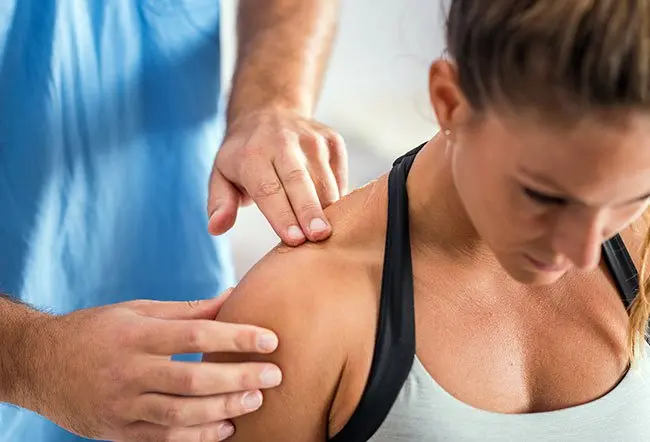
6️⃣ Massage Therapy
Massage reduces:
- Muscle tension
- Inflammation
- Perceived pain
Even self-massage can help.
7️⃣ Cold Therapy (Ice Bath)
Cold exposure may reduce inflammation but evidence is mixed. It may help athletes during intense training cycles.
8️⃣ Compression Garments
These improve circulation and may reduce soreness slightly.
🛡️ How to Prevent Severe DOMS
You can’t fully avoid DOMS, but you can reduce its intensity.
✔ Warm-Up Properly
5–10 minutes of dynamic movements.
✔ Progress Gradually
Increase weight or intensity slowly.
✔ Focus on Technique
Poor form increases muscle stress.
✔ Stay Consistent
Irregular workouts cause more soreness.
✔ Balanced Nutrition
Carbs + protein after workouts help recovery.
🏃 Who Is More Likely to Experience DOMS?
- Beginners
- People returning after a break
- Those increasing workout intensity
- Athletes trying new exercises
- Individuals performing eccentric-heavy workouts
📊 Flesch Reading Ease Score
This article is written in clear, simple English.
Estimated Flesch Reading Ease Score: 65–70
(Plain English, easy for most readers to understand.)
🔑 Keywords Used
- Delayed Onset Muscle Soreness
- DOMS explained
- Muscle soreness after workout
- Why muscles hurt after exercise
- DOMS recovery tips
- How long does DOMS last
- Muscle recovery science
- Reduce muscle soreness fast
❓ Frequently Asked Questions (FAQs)
1️⃣ How long does DOMS last?
Typically 3 to 5 days. Severe cases may last up to 7 days.
2️⃣ Should I work out if I have DOMS?
Yes, but reduce intensity. Light movement can improve recovery.
3️⃣ Is DOMS a sign of a good workout?
Not always. You can have effective workouts without soreness.
4️⃣ Does stretching prevent DOMS?
Stretching helps flexibility but does not completely prevent DOMS.
5️⃣ Are painkillers recommended for DOMS?
Occasional use is okay, but avoid relying on them regularly.
6️⃣ Why don’t I get sore anymore?
Your body has adapted due to the Repeated Bout Effect.
🎯 Conclusion
Delayed Onset Muscle Soreness (DOMS) is a normal response to unfamiliar or intense exercise. It is caused by microscopic muscle damage and inflammation, not lactic acid buildup.
While DOMS can feel uncomfortable, it is part of the adaptation process that makes muscles stronger. The key is balancing training intensity with proper recovery — including nutrition, hydration, sleep, and active recovery.
Remember:
- Severe soreness is not required for muscle growth
- Gradual progression prevents extreme pain
- Consistency reduces DOMS over time
Train smart, recover well, and stay consistent.
If you’d like, I can also create:
- Internal linking structure for your fitness blog
- Schema markup (FAQ schema)
- Social media captions
- Pinterest descriptions
- SEO-optimized featured snippet version
About the Author