Meta Information
Title: Ice Bath Benefits for Athletes: Science-Backed Recovery Guide
Meta Description: Discover the proven ice bath benefits for athletes, including muscle recovery, reduced soreness, improved performance, and mental resilience. Learn how to use cold water therapy safely and effectively.
Focus Keyword: Ice Bath Benefits for Athletes
URL Slug: ice-bath-benefits-for-athletes
Estimated Flesch Reading Ease Score: 65–70 (Easy to read, clear sentences, simple structure)
Introduction
Athletes constantly push their bodies to the limit. Whether it’s weight training, sprinting, endurance running, football, or CrossFit, intense physical activity creates muscle stress and inflammation. Recovery is not optional—it is essential for performance improvement.
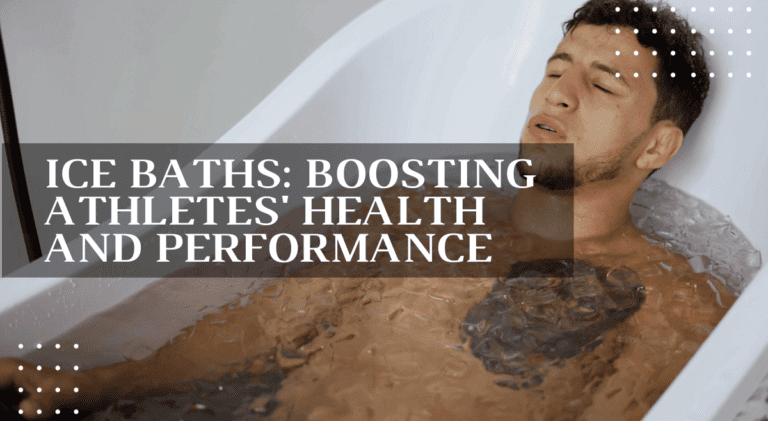
One of the most popular recovery methods used by professional and amateur athletes alike is the ice bath, also known as cold water immersion (CWI). From Olympic competitors to gym athletes, many swear by its ability to reduce soreness and accelerate recovery.
But are ice baths truly effective? What are the real benefits? And how should athletes use them safely?
This detailed guide explores the science-backed ice bath benefits for athletes, explains how they work, outlines proper protocols, discusses risks, and answers common questions.
What Is an Ice Bath?
An ice bath involves immersing the body (or part of the body) in cold water, typically between:
- 10–15°C (50–59°F)
- Duration: 5–15 minutes
The goal is to trigger physiological responses that help the body recover after intense training or competition.
Cold water therapy has been used for centuries. Today, it is widely adopted in sports science and athletic recovery programs.
How Ice Baths Work (The Science Explained)
To understand the benefits, we need to understand what happens inside the body during cold immersion.
1. Vasoconstriction
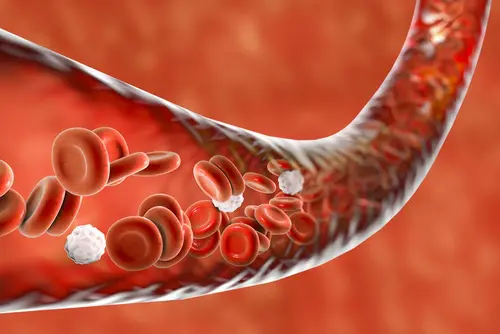
Cold temperatures cause blood vessels to constrict (narrow). This reduces blood flow to the muscles temporarily, which may help limit inflammation.
2. Reduced Inflammation
After exercise, muscles experience micro-tears. This creates inflammation, which causes soreness. Ice baths may reduce excessive inflammation.
3. Nervous System Response
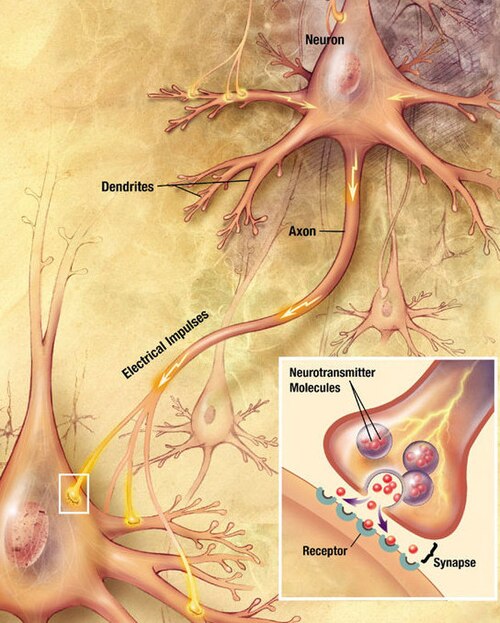
Cold exposure activates the sympathetic nervous system. It increases alertness and stimulates the release of adrenaline and endorphins.
4. Post-Immersion Vasodilation
Once you leave the ice bath, blood vessels expand again. This may improve circulation and help remove metabolic waste products.
Top Ice Bath Benefits for Athletes
1. Reduces Muscle Soreness (DOMS)
One of the biggest benefits is reducing Delayed Onset Muscle Soreness (DOMS).
DOMS usually appears:
- 12–24 hours after exercise
- Peaks at 24–72 hours
Ice baths may:
- Reduce muscle tenderness
- Decrease swelling
- Speed up comfort recovery
Athletes who train daily often use ice baths to stay consistent without excessive soreness.
2. Decreases Inflammation
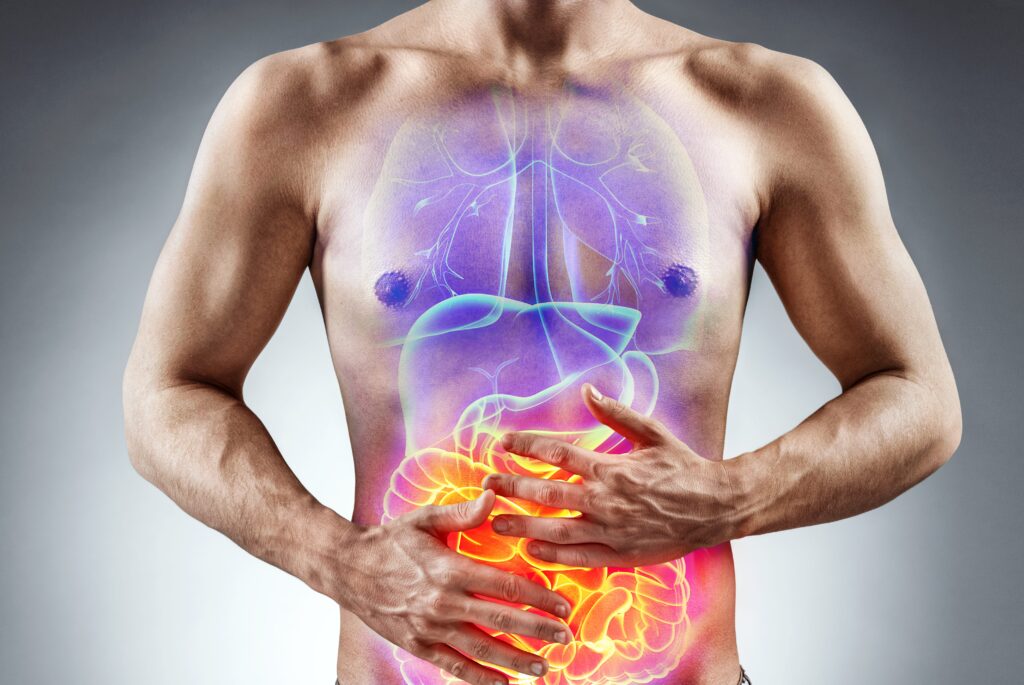
Exercise creates inflammation, which is normal and necessary for adaptation. However, excessive inflammation can:
- Slow recovery
- Limit performance
- Increase injury risk
Cold water immersion may help control excessive inflammation while still allowing muscle repair to occur.
3. Faster Recovery Between Training Sessions
For athletes training multiple times per week—or multiple times per day—recovery speed is critical.
Ice baths may:
- Reduce muscle fatigue
- Restore power output faster
- Improve readiness for the next session
This is especially useful for:
- Tournament athletes
- Marathon runners
- Football players
- MMA fighters
- Bodybuilders in peak season
4. May Reduce Muscle Swelling
Intense workouts can cause temporary swelling due to fluid accumulation.
Cold exposure helps:
- Constrict blood vessels
- Limit fluid buildup
- Reduce tightness and stiffness
This makes athletes feel lighter and more mobile after hard sessions.
5. Improves Mental Toughness
Ice baths are uncomfortable. That discomfort builds mental resilience.
Athletes often report:
- Increased discipline
- Better stress tolerance
- Improved focus
Cold exposure trains the mind to stay calm under stress—an important skill in competition.
6. Enhances Nervous System Recovery
Intense training stresses the central nervous system (CNS). Symptoms of nervous system fatigue include:
- Low motivation
- Slower reaction time
- Poor sleep
Cold immersion stimulates the vagus nerve and may help reset the nervous system, improving recovery.
https://www.cdc.gov/sleep/about/index.html7. Better Sleep Quality
Some athletes experience improved sleep after cold exposure because:
- Core body temperature drops
- Nervous system calms down
- Stress hormones decrease
Better sleep = better recovery and muscle growth.
8. May Support Injury Recovery
Ice baths are sometimes used for:
- Minor strains
- Tendon soreness
- Overuse injuries
Cold therapy reduces acute inflammation and pain, which may help in early injury stages.
However, serious injuries require medical supervision.
Ice Bath vs Active Recovery
Both methods have benefits.
Ice Bath
Best for:
- Intense competitions
- Back-to-back training
- Managing inflammation
Active Recovery
Best for:
- Long-term muscle growth
- Light soreness
- Increasing blood flow naturally
Many athletes combine both methods strategically.
How Fitness Podcasts Build Member Trust
Ice Baths and Muscle Growth: Good or Bad?
This is a common debate.
Some research suggests that frequent ice baths after strength training may:
- Reduce muscle protein synthesis
- Slightly blunt hypertrophy (muscle growth)
Why?
Because inflammation plays a role in muscle adaptation. If you reduce it too much, growth signals may decrease.
Recommendation:
- Use ice baths after competitions or high-volume endurance training
- Avoid frequent use immediately after hypertrophy-focused workouts
If your goal is maximum muscle growth, limit ice bath frequency.
How to Take an Ice Bath Properly
Step 1: Fill Tub with Cold Water
Temperature: 10–15°C (50–59°F)
Add ice gradually.
Step 2: Immerse Lower Body
Sit in the water up to:
- Waist
- Or chest (for full immersion)
Step 3: Duration
Stay for:
- 5–10 minutes (beginners)
- 10–15 minutes (advanced users)
Step 4: Controlled Breathing
Focus on slow breathing:
- Inhale through nose
- Exhale slowly
This prevents shock response.
Step 5: Warm Up Gradually
After exiting:
- Dry off
- Wear warm clothes
- Do light movement
Avoid hot showers immediately.
How Often Should Athletes Use Ice Baths?
It depends on training intensity.
1–2 Times Per Week:
- General fitness athletes
2–4 Times Per Week:
- Competitive athletes
After Competitions:
- Highly recommended
Avoid daily use if your goal is muscle hypertrophy.
Who Benefits Most from Ice Baths?
Ice baths are especially useful for:
- Endurance athletes
- Team sport players
- Combat sport athletes
- High-volume trainers
- Tournament competitors
Bodybuilders in bulking phases may want limited use.
Risks and Precautions

Ice baths are generally safe but can be risky if done incorrectly.
Avoid If You Have:
- Heart conditions
- Poor circulation
- Raynaud’s disease
- High blood pressure (uncontrolled)
Safety Tips:
- Never exceed 15 minutes
- Don’t use extremely cold water below 8°C
- Stop if you feel dizzy
- Never do alone if you’re new
Ice Bath vs Cryotherapy
| Ice Bath | Cryotherapy |
|---|---|
| Water immersion | Cold air exposure |
| Affordable | Expensive |
| 10–15 minutes | 2–3 minutes |
| Easy at home | Requires clinic |
Both aim to reduce inflammation and improve recovery.
Common Myths About Ice Baths
Myth 1: Ice Baths Burn Fat
Cold exposure burns minimal calories. It’s not a weight-loss solution.
Myth 2: Longer Is Better
More than 15 minutes increases risk without added benefit.
Myth 3: Ice Baths Replace Rest
Sleep and nutrition are still more important.
Ice Bath Benefits for Different Sports
Football Players
- Faster recovery between matches
- Reduced lower-body soreness
Runners
- Lower inflammation in calves and quads
Weightlifters
- Reduced joint stress
CrossFit Athletes
- Better multi-day recovery
The Psychological Edge
Many elite athletes use ice baths not just for physical recovery, but mental advantage.
Cold exposure:
- Builds discipline
- Increases dopamine levels
- Improves emotional control
This can enhance competitive performance.
Practical Recovery Stack for Athletes
For maximum benefit, combine ice baths with:
- High-protein diet
- 7–9 hours of sleep
- Active recovery sessions
- Hydration
- Stretching or mobility work
Recovery is a system—not a single tool.
FAQs
1. Do ice baths really work for athletes?
Yes, especially for reducing soreness and improving short-term recovery between intense sessions.
2. How long should an ice bath last?
5–15 minutes is ideal.
3. What temperature should an ice bath be?
10–15°C (50–59°F).
4. Can ice baths reduce muscle growth?
Frequent use after strength training may slightly reduce hypertrophy.
5. Should beginners try ice baths?
Yes, but start with shorter durations and moderate temperatures.
6. Are ice baths better than stretching?
They serve different purposes. Stretching improves flexibility, while ice baths reduce inflammation.
7. Can I take an ice bath every day?
Not recommended unless you are in high-intensity competition phases.
Conclusion
Ice bath benefits for athletes are supported by both research and real-world use. They can reduce muscle soreness, control inflammation, improve recovery speed, enhance mental toughness, and help athletes perform consistently.
However, ice baths are not magic. They should be used strategically. Overuse may reduce muscle adaptation, especially for strength-focused athletes.
The key takeaway:
Use ice baths when recovery speed matters most—after competitions, tournaments, or intense training blocks. Combine them with proper nutrition, sleep, and active recovery for best results.
When applied correctly, ice baths can become a powerful tool in an athlete’s recovery toolkit.
About the Author