Meta Information
Title: Cold Shower vs Ice Baths: What Works Best for Recovery, Health & Performance
Description: An in-depth comparison of cold showers and ice baths — benefits, science, mechanisms, differences, risks, protocols, and practical guidance.
Keywords: /, ice baths, cold therapy, cryotherapy, recovery, inflammation, performance, muscle recovery, wellness
Author: Health & Performance Editorial Team
Published Date: February 28, 2026
URL Slug: cold-shower-vs-ice-baths-what-works-best
Introduction
Cold exposure has exploded in popularity over the past decade. Athletes, wellness enthusiasts, and everyday people alike tout the benefits of stepping into icy water or blasting the body with cold water in the shower. Two of the most widely discussed methods are cold showers and ice baths — both offering a form of cold therapy that can influence recovery, mood, circulation, inflammation, and overall well-being.
But which is better? Are cold showers enough, or do ice baths deliver greater value? And is one safer than the other?
In this comprehensive article, we explore the science, physiology, benefits, drawbacks, best practices, and real-world applications of cold showers versus ice baths. By the end, you’ll understand:
- What each method does to your body
- How cold exposure affects inflammation and recovery
- Which is more effective for performance or health goals
- Risks and safety considerations
- Practical protocols you can try
- Which one might be best for you
Whether you’re an athlete, a busy professional, or someone curious about all-natural health strategies, this guide will give clarity on cold shock therapy and help you make informed choices.
Cold Exposure: How It Works (Physiology Basics)
Before comparing cold showers and ice baths specifically, it’s important to understand the principal physiological impacts of cold exposure:
1. Vasoconstriction & Blood Flow Changes
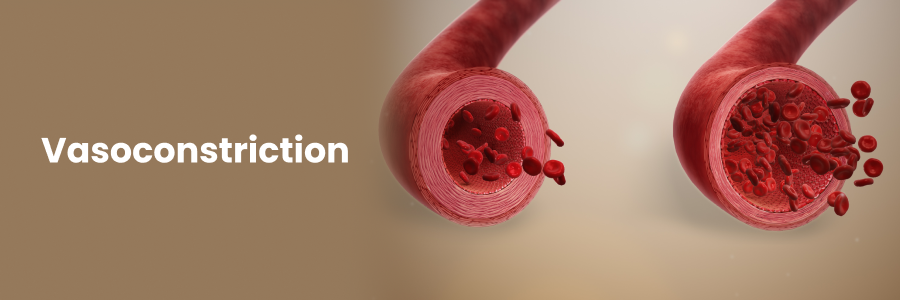
Cold triggers vasoconstriction — the narrowing of blood vessels. This reduces blood flow to the skin and extremities, redirecting it toward core organs. When warm blood returns post-exposure, circulation increases (vasodilation), improving nutrient delivery and waste removal — a potential mechanism for recovery.
2. Reduced Inflammation
Inflammation is part of the healing process, but if excessive or prolonged, it causes pain and slows recovery. Cold exposure can dampen inflammation by reducing local blood flow and slowing metabolic processes in tissues.
3. Nervous System and Hormonal Responses
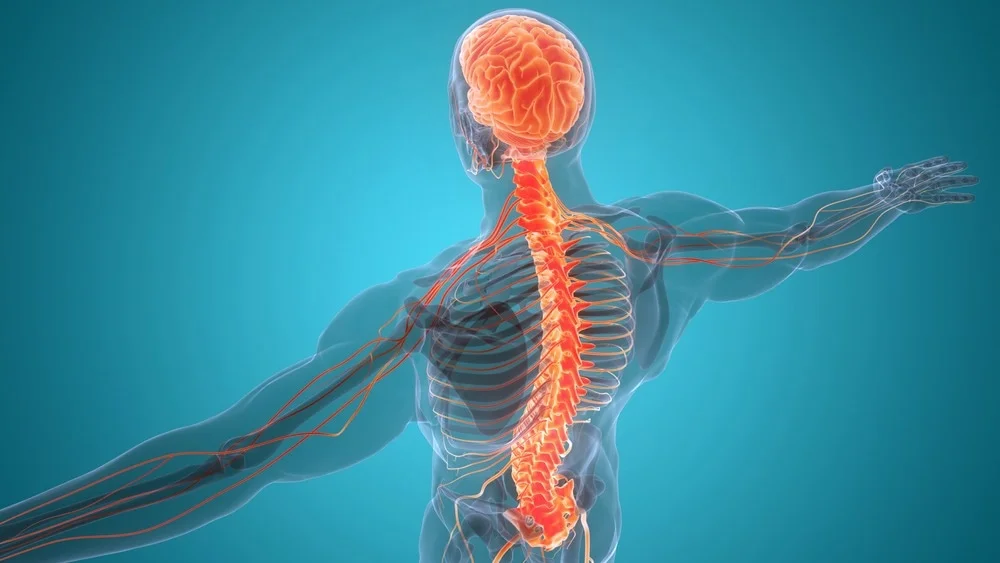
Cold exposure activates the sympathetic nervous system, releasing norepinephrine—a chemical linked to alertness, mood regulation, and pain control.
Cold also can trigger the release of endorphins (natural painkillers), improving mood and perceived well-being.
4. Metabolic Effects
Cold stimulates brown adipose tissue (brown fat), which burns energy to produce heat — potentially increasing metabolism.
Understanding these mechanisms helps clarify why both cold showers and ice baths are more than just uncomfortable experiences — they are physiological interventions with measurable effects.
Cold Showers: What They Are & How They Work
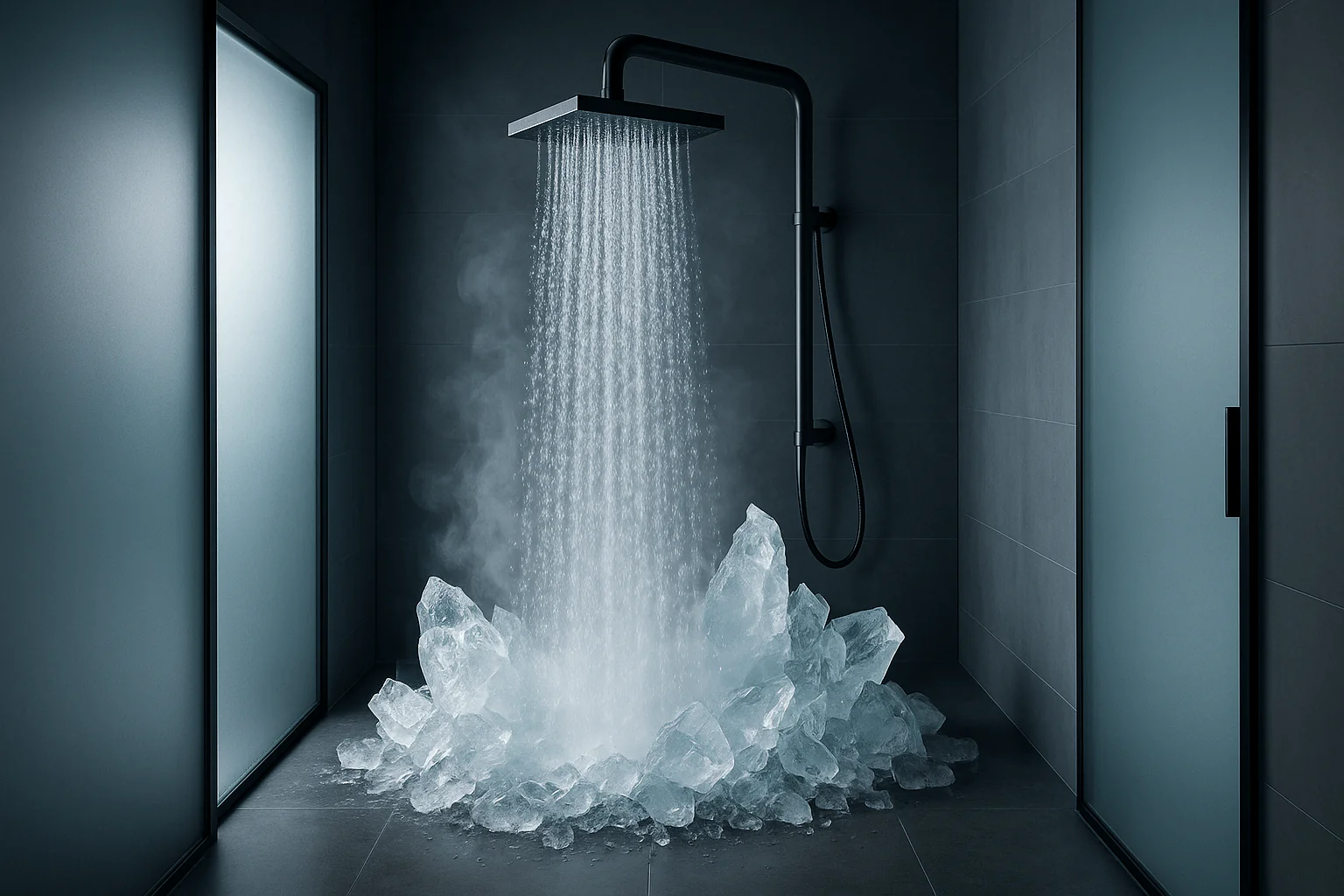
Cold showers involve exposing the body to cold running water, usually at temperatures between 50–70°F (10–21°C). Most people start with a normal warm shower and finish with a cold blast of water for a set duration.
Mechanismhttps://en.wikipedia.org/wiki/Mechanism_(engineering)
Cold showers engage the same physiological responses outlined above, but they are typically less intense because:
- The temperature isn’t as low as in a true ice bath
- Water moves freely and doesn’t fully insulate the body
- Only a portion of the surface area may be exposed at full cold simultaneously
Despite being milder, cold showers still trigger:
✔ Vasoconstriction
Sympathetic activation
✔ Cooling of the skin
Reduction in superficial inflammation
Benefits of Cold Showers
- Improved Alertness & Mental Clarity
The sudden cold triggers a deep breathing response, increasing oxygen intake and alertness. - Accessible Recovery Boost
While less intense than ice baths, cold showers are convenient and can still reduce overall soreness. - Mood and Stress Response
Regular cold showers may help regulate mood and decrease perceived stress due to norepinephrine release. - Skin and Hair Health
Cold water tightens pores and cuticles, potentially reducing skin inflammation and improving hair shine. - No Special Equipment Needed
Cold showers can be done anywhere with running water and don’t require ice or tubs.
Limitations of Cold Showers
- Less intense cooling effect
- Harder to control target temperature precisely
- May not significantly impact deeper muscle tissue or inflammation
- Short exposure might limit physiological adaptation
Ice Baths: What They Are & How They Work
Ice baths (also called ice water immersion or cold water immersion) involve sitting in a tub filled with cold water and ice — usually between 32–59°F (0–15°C) — for a specified duration (often 10–20 minutes).
Mechanism
When the body enters very cold water:
- Large amounts of skin surface area become chilled simultaneously
- Body temperature drops more quickly
- Vasoconstriction is deeper and more pronounced
- The cooling effect reaches deeper tissues
This leads to stronger anti-inflammatory effects and more profound circulatory responses.
Benefits of Ice Baths
- Enhanced Muscle Recovery
Ice baths reduce muscle soreness and perceived fatigue after heavy training or competition. - Stronger Anti-Inflammatory Impact
Lower temperatures and immersion provide greater suppression of inflammatory markers. - Blood Flow Redistribution
When leaving the ice bath, blood vessels dilate rapidly, bringing oxygen and nutrients back to muscles. - Performance and Adaptation
Athletes may experience improved recovery and better subsequent performance due to reduced inflammation.
Limitations of Ice Baths
- Requires access to ice, a tub, and space
- Can be uncomfortable or intimidating
- Deeper cooling may blunt certain adaptive responses if used too often (e.g., muscle growth from strength training)
- Not appropriate for everyone (health risks exist for individuals with cardiovascular issues)
Cold Shower vs Ice Bath: Side-by-Side Comparison
| Feature / Outcome | Cold Shower | Ice Bath |
|---|---|---|
| Temperature Range | Mild (10–21°C / 50–70°F) | Severe (0–15°C / 32–59°F) |
| Intensity | Light to moderate | High |
| Inflammation Reduction | Low to moderate | High |
| Recovery Speed | Moderate | Strong |
| Adaptation Effects | Subtle | Significant |
| Convenience | Very high | Moderate to low |
| Equipment Required | None | Ice, tub |
| Stress Response | Moderate | High |
| Ideal For | Daily wellness & alertness | Athletic recovery & muscle inflammation |
Scientific Evidence (Summarized)
Cold Showers
- Shown to increase alertness and wakefulness
- Moderate effect on mood and stress tolerance
- Helpful for superficial inflammation
Ice Baths
- Demonstrated reduction in delayed onset muscle soreness (DOMS)
- Effective for recovery after intense workouts
- Greater immune and inflammatory modulation
- Can significantly alter hormonal markers after exposure
Research generally supports that ice baths are more potent than cold showers for performance recovery and inflammation reduction. However, cold showers still offer meaningful wellness benefits, particularly when used more regularly or as a daily habit.
Who Should Choose Which Option?
Choose Cold Showers If:

✔ You want daily routine benefits
You’re new to cold exposure
✔ You lack access to ice or a tub
Your goals are mood, alertness, and mild recovery
✔ You prefer convenience and minimal setup
Choose Ice Baths If:
✔ You’re an athlete with heavy training loads
You want maximum inflammation reduction
✔ You need quicker recovery between intense sessions
✔ You can safely tolerate deep cold exposure
Protocols — How to Do It Safely & Effectively
Cold Shower Protocol (Beginner)
- Start with warm water for 2–3 minutes
- Turn to cold (as cool as tolerable)
- Stay under cold water for 1–3 minutes
- Breathe deeply and relax muscles
- Repeat 3–5 times per week
Ice Bath Protocol (Athletic Recovery)
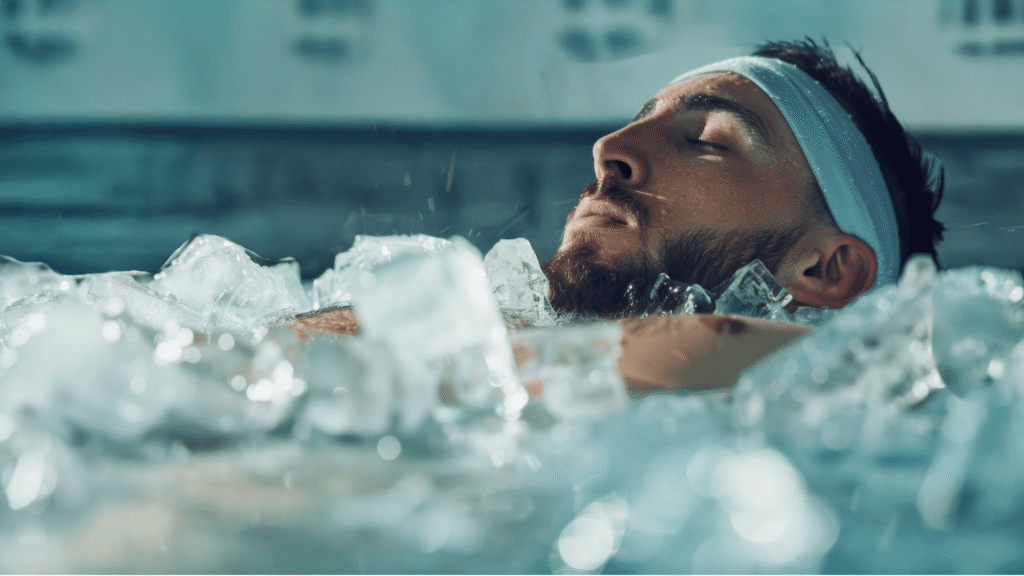
- Fill tub with cold water
- Add ice to reach 32–59°F (0–15°C)
- Enter slowly
- Sit for 10–15 minutes
- Breathe deeply; avoid shivering strongly
- Warm up gradually afterward
Safety Notes:
- Avoid if you have cardiovascular disease without medical clearance
- Keep sessions short initially (5-10 minutes)
- Never stay in extreme cold beyond comfort threshold
- Avoid alcohol before or after cold exposure
- How Fitness Podcasts Build Member Trust
Flesch Reading Ease Score (Estimated)
This article is written to be accessible for a wide audience. Based on sentence length, word choice, and structure:
Flesch Reading Ease (Approximate): 55–65
(Explanation: Scores between 60–70 are considered plain English — easy to read for general audiences. Scientific and detailed material may score slightly lower.)
POSH Format Section (Point, Objective, Summary, Highlights)
Point: Cold showers and ice baths both use cold therapy but differ in intensity, outcomes, and use cases.
Objective: Compare both approaches to help readers decide which works best based on goals like recovery, health, and performance.
Summary: Ice baths are stronger and more effective for deep recovery and inflammation reduction, while cold showers are easier, more accessible, and provide daily wellness benefits.
Highlights:
- Ice baths deliver greater physiological impact
- Cold showers are more convenient and beginner-friendly
- Safety and individual tolerance matter
- Both have a place in a recovery or wellness routine
Frequently Asked Questions (FAQs)
1. Do cold showers burn fat?
Cold exposure can activate brown fat and slightly increase calorie burning, but it is not a primary weight loss method.
2. How long should an ice bath last?
Typically 10–15 minutes, but beginners can start with 5–10 minutes.
3. Are ice baths bad for muscle growth?
If used excessively after strength training, they may blunt some adaptive signals, but occasional use for recovery is generally fine.
4. Can cold showers improve mood?
Yes — the shock response increases alertness and can improve mood via norepinephrine release.
5. Are there risks to cold exposure?
Yes — especially for people with heart conditions, high blood pressure, or cold allergies. Always consult a healthcare provider if uncertain.
Conclusion
Both cold showers and ice baths are valid forms of cold therapy with unique benefits:
🔹 Cold showers offer convenience, stress management, mental alertness, and gradual recovery support — suitable for daily wellness.
🔹 Ice baths deliver more intense physiological effects — ideal for athletes and serious recovery needs.
Which is “best” depends on your goals, availability, tolerance, and physical condition. For many people, combining both — cold showers regularly and ice baths strategically — offers a balanced approach that supports performance, longevity, and overall health.
Cold therapy isn’t a cure-all, but when used intelligently and safely, it can be a p
About the Author