
Meta Information
Title: Cold Therapy Myths You Should Stop Believing
Meta Description: Discover the truth behind common cold therapy myths. Learn how ice baths, cryotherapy, and cold packs really work for muscle recovery, pain relief, and inflammation.
Focus Keyword: Cold Therapy Myths
SEO Keywords: cold therapy myths, ice bath myths, cryotherapy myths, cold therapy benefits, ice therapy for recovery, muscle recovery ice treatment
URL Slug: cold-therapy-myths-you-should-stop-believing
Introduction
Cold therapy, also known as cryotherapy, has been used for centuries to reduce pain, swelling, and inflammation. Athletes, physiotherapists, and doctors often recommend cold packs, ice baths, or cold compresses after intense workouts or injuries. Many people believe that cold therapy speeds up recovery and helps the body heal faster.
However, over the years, several myths about cold therapy have spread widely. Some people believe that ice should be used for every injury, while others think that longer ice baths always give better results. Social media trends and fitness influencers have also added confusion by promoting extreme cold exposure without scientific evidence.
Understanding the truth behind these myths is important. Misusing cold therapy can slow recovery, irritate tissues, or even cause damage to the skin and nerves. Knowing when and how to use cold therapy properly can make a big difference in muscle recovery and injury treatment.
In this article, we will explore the most common cold therapy myths, explain the science behind them, and reveal what research actually says. By the end, you will understand how to use cold therapy safely and effectively.
What Is Cold Therapy?
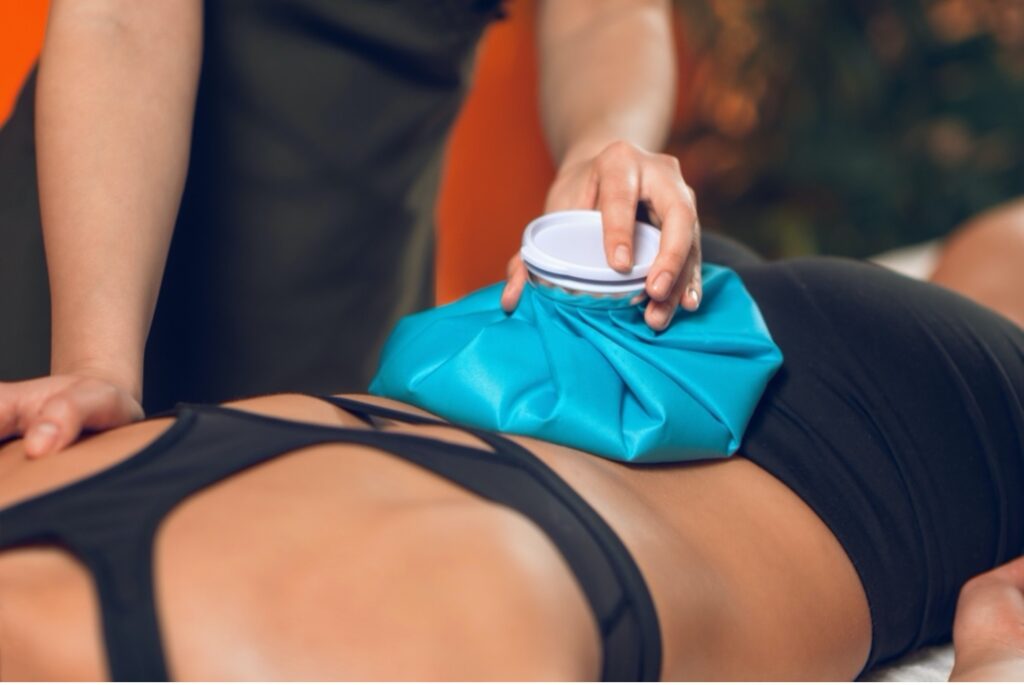
Cold therapy is a treatment method that uses low temperatures to reduce inflammation, swelling, and pain in the body. It works by narrowing blood vessels, which helps limit blood flow to the injured area. This process is called vasoconstriction.
When tissues become inflamed due to injury or intense exercise, the body sends more blood to that area. Cold therapy slows this response, helping reduce swelling and discomfort.
Common Types of Cold Therapy
- Ice packs
- Cold compresses
- Ice baths
- Cryotherapy chambers
- Cold water immersion
Each of these methods can provide relief, but they should be used correctly to avoid negative effects.
Why Cold Therapy Is Popular Among Athletes
Athletes frequently use cold therapy because intense physical activity causes micro-damage to muscle fibers. This damage leads to soreness, commonly known as Delayed Onset Muscle Soreness (DOMS).
Cold therapy may help athletes by:
- Reducing inflammation
- Minimizing swelling
- Numbing pain
- Supporting faster recovery between training sessions
However, not everything people believe about cold therapy is accurate. Let’s examine the most common myths.
Myth 1: Ice Should Be Used for Every Injury
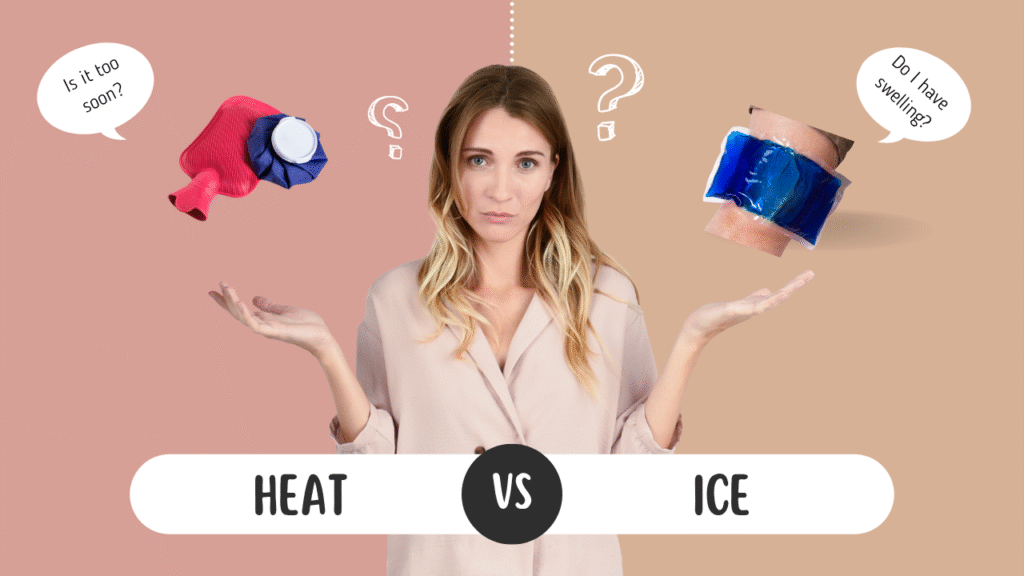
One of the biggest myths is that every injury requires ice.
For decades, the RICE method (Rest, Ice, Compression, Elevation) was the standard treatment for injuries. Many people still apply ice automatically whenever they feel pain.
The Truth
Not all injuries benefit from ice. Cold therapy is most effective for acute injuries, such as:
- Sprains
- Strains
- Minor swelling
- Fresh inflammation
However, for chronic injuries or muscle stiffness, heat therapy may actually work better. Heat increases blood circulation, which helps tissues relax and heal.
When Ice Is Helpful
Ice therapy is useful during the first 24–48 hours after injury when swelling is present.
When Ice May Not Help
Ice may not be ideal for:
- Chronic muscle pain
- Stiff joints
- Old injuries
- Muscle tightness without swelling
Using ice incorrectly can slow natural healing.
Myth 2: The Longer the Ice Bath, the Better
Ice baths have become extremely popular among athletes and fitness enthusiasts. Some people believe staying in ice water for long periods increases the benefits.
The Truth
Longer exposure does not necessarily mean better recovery.
Most research suggests that 10–15 minutes in cold water is enough to gain recovery benefits. Staying longer can cause problems such as:
- Skin irritation
- Nerve damage
- Reduced blood circulation
- Risk of hypothermia
The body needs balance. Excessive cold exposure may actually stress the nervous system.
Ideal Ice Bath Durationhttps://chilltubs.com/when-is-the-best-time-to-use-a-chill-tub/
Experts often recommend:
10–15 minutes at 10–15°C (50–59°F)
This temperature range helps reduce inflammation without harming tissues.
Myth 3: Ice Completely Stops Inflammation
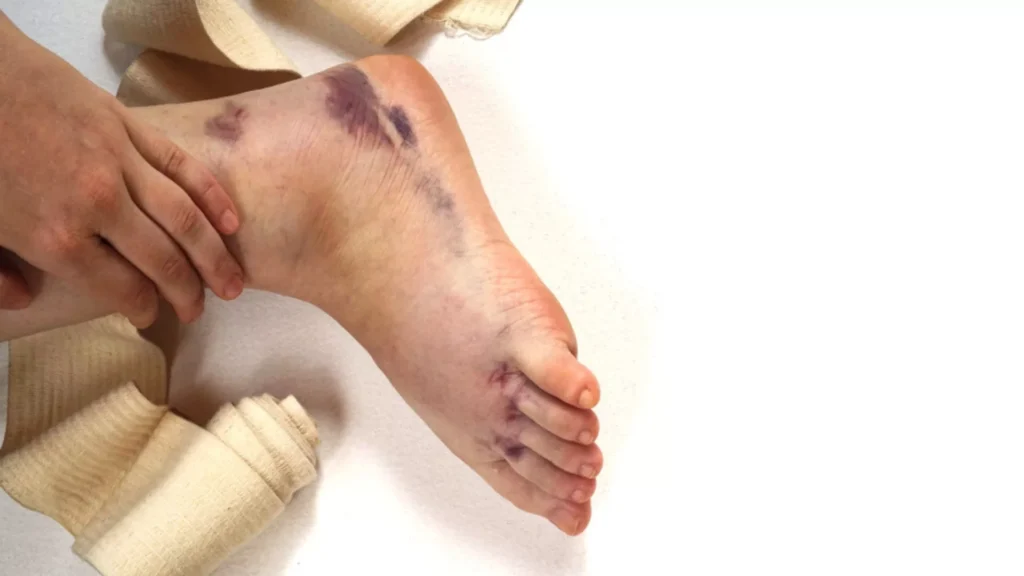
Many people think cold therapy eliminates inflammation completely.
The Truth
Inflammation is a natural healing response of the body. It helps repair damaged tissues by bringing immune cells to the injured area.
Cold therapy does not remove inflammation entirely. Instead, it controls excessive inflammation.
Too much inflammation causes swelling and pain, but some inflammation is necessary for healing. Completely stopping it could slow tissue repair.
This is why modern sports medicine emphasizes controlled recovery rather than extreme icing.
Myth 4: Cryotherapy Is Always Better Than Ice Packs
Cryotherapy chambers have become a trendy recovery method used by athletes and celebrities. Some believe they are much more effective than traditional ice packs.
The Truth
Cryotherapy can provide benefits, but it is not always superior to simple cold therapy methods.
Cryotherapy chambers expose the body to extremely cold air (often below -100°C) for a short time. This may stimulate circulation and reduce inflammation.
However, research shows that ice packs and cold water immersion can provide similar recovery benefits at a much lower cost.
For most people, simple cold therapy methods are just as effective.
How Fitness Podcasts Build Member Trust
Myth 5: Cold Therapy Speeds Up Muscle Growth
Some people believe ice baths help muscles grow faster after workouts.
The Truth
Cold therapy may actually reduce muscle growth if used immediately after strength training.
When muscles grow, they go through a process called muscle protein synthesis. This process is triggered by mild inflammation and stress from exercise.
Cold therapy can reduce this inflammatory response, which may interfere with the muscle-building process.
What Research Suggests
Studies show that frequent ice baths after resistance training may reduce long-term muscle growth.
This does not mean ice baths are harmful, but they may not be ideal right after strength workouts if muscle gain is the goal.
Myth 6: Ice Baths Remove All Muscle Soreness
Many people expect ice baths to eliminate soreness completely.
The Truth
Cold therapy may reduce soreness, but it does not completely remove it.
Muscle soreness happens because of microscopic muscle damage after exercise. Cold therapy can numb pain and reduce swelling, but it cannot instantly repair muscle fibers.
Recovery still requires:
- Proper nutrition
- Hydration
- Rest
- Sleep
Cold therapy is only one part of the recovery process.
Myth 7: Cold Therapy Is Safe for Everyone
Another common myth is that cold therapy has no risks.
The Truth
Cold therapy can be unsafe for certain people.
People with the following conditions should avoid extreme cold exposure:
- Circulatory disorders
- Diabetes
- Nerve damage
- Cold hypersensitivity
- Cardiovascular disease
Excessive cold exposure can also cause frostbite or nerve injury if applied incorrectly.
Always use a cloth barrier between ice and skin, and limit exposure time.
Myth 8: Cold Showers and Ice Baths Work the Same
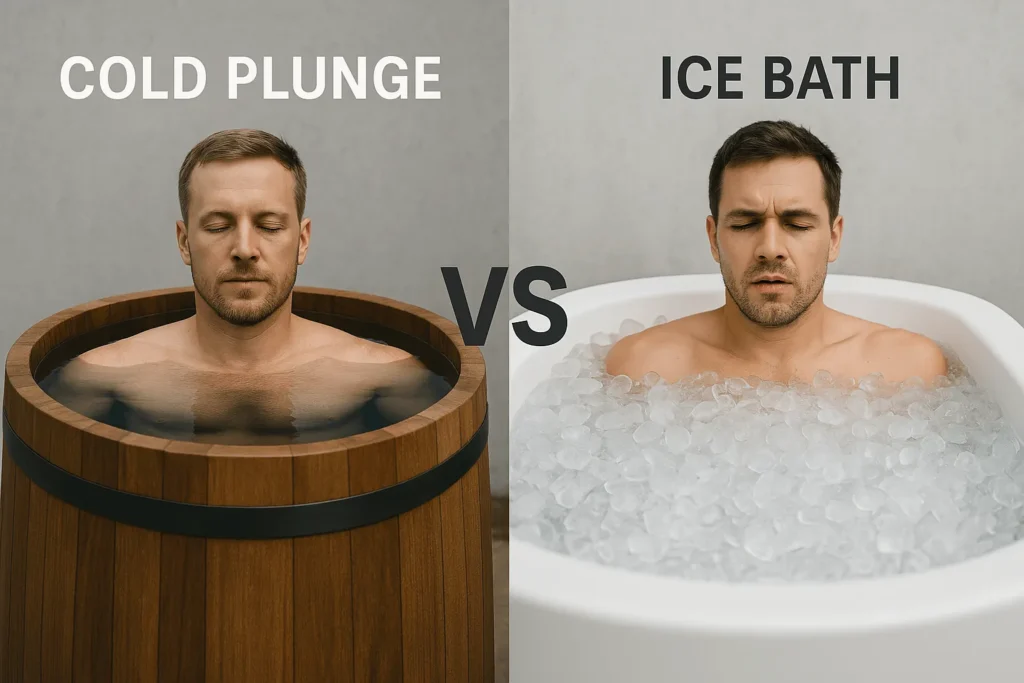
Some people believe cold showers provide the same benefits as ice baths.
The Truth
Both methods expose the body to cold, but their effects can differ.
Ice baths immerse the entire body in cold water, which applies consistent pressure and cooling. Cold showers usually affect only certain areas of the body.
Ice baths may provide stronger recovery benefits, especially after intense exercise.
However, cold showers are still useful for:
- Improving circulation
- Increasing alertness
- Supporting mild recovery
They can be a good alternative if ice baths are unavailable.
How to Use Cold Therapy Safely
Using cold therapy correctly is essential for safety and effectiveness.
Best Practices
Follow these guidelines:
1. Limit Ice Application Time
Apply ice for 10–20 minutes at a time.
2. Protect the Skin
Always wrap ice packs in a towel.
3. Allow Recovery Between Sessions
Wait at least 30–60 minutes before reapplying ice.
4. Use Cold Therapy for Acute Injuries
It works best during the first 48 hours after injury.
5. Avoid Extreme Cold Exposure
Do not stay in ice baths longer than recommended.
When Heat Therapy Is Better
Cold therapy is not always the best option.
Heat therapy may be more effective for:
- Chronic muscle pain
- Muscle stiffness
- Joint tightness
- Old injuries
Heat improves blood flow and helps muscles relax.
Many physiotherapists recommend alternating heat and cold therapy depending on the situation.
Benefits of Cold Therapy
Despite the myths, cold therapy still provides real benefits when used correctly.
Key Benefits
Pain Reduction
Cold numbs nerve endings and reduces discomfort.
Reduced Swelling
Cold slows blood flow and limits inflammation.
Faster Short-Term Recovery
Athletes may recover quicker between competitions.
Improved Circulation After Treatment
When the body warms again, blood flow increases.
These benefits make cold therapy a useful recovery tool.
FAQs
Is cold therapy good for muscle recovery?
Yes, cold therapy may help reduce inflammation and soreness after intense exercise. However, it should be used carefully to avoid interfering with muscle growth.
How long should you ice an injury?
Most experts recommend icing an injury for 10–20 minutes at a time, several times a day during the first 48 hours.
Are ice baths safe?
Ice baths can be safe when done correctly. Limit sessions to 10–15 minutes and avoid extremely cold temperatures.
Can cold therapy reduce inflammation?
Cold therapy helps control excessive inflammation but does not completely stop the body’s healing response.
Should you ice muscles after every workout?
Not necessarily. Ice baths may help after intense endurance training but may reduce muscle growth if used immediately after strength training.
Conclusion
Cold therapy remains one of the most widely used recovery techniques in sports medicine. However, many misconceptions about ice baths, cryotherapy, and cold packs have led to confusion about how they should be used.
The truth is that cold therapy is helpful when used correctly, but it is not a miracle cure. It cannot eliminate soreness instantly, replace proper recovery, or work for every type of injury.
Understanding the facts behind common cold therapy myths allows athletes and fitness enthusiasts to make smarter recovery decisions. Instead of relying on trends or misinformation, it is better to follow science-based guidelines.
By using cold therapy at the right time, for the right duration, and for the right injuries, you can safely benefit from its powerful recovery effects while avoiding unnecessary risks.
About the Author