Meta Information
- Title: Ice Bath at Home: Complete Beginner Guide for Safe Cold Therapy
- Meta Description: Learn how to take an ice bath at home safely. This complete beginner guide explains benefits, step-by-step methods, safety tips, temperature guidelines, and recovery benefits.
- Focus Keyword: Ice Bath at Home
- URL Slug: ice-bath-at-home-beginner-guide
Introduction
Ice baths have become one of the most popular recovery methods for athletes, fitness enthusiasts, and people who want faster muscle recovery. You may have seen professional athletes sitting in tubs filled with ice after intense training sessions. This practice is known as cold water immersion.
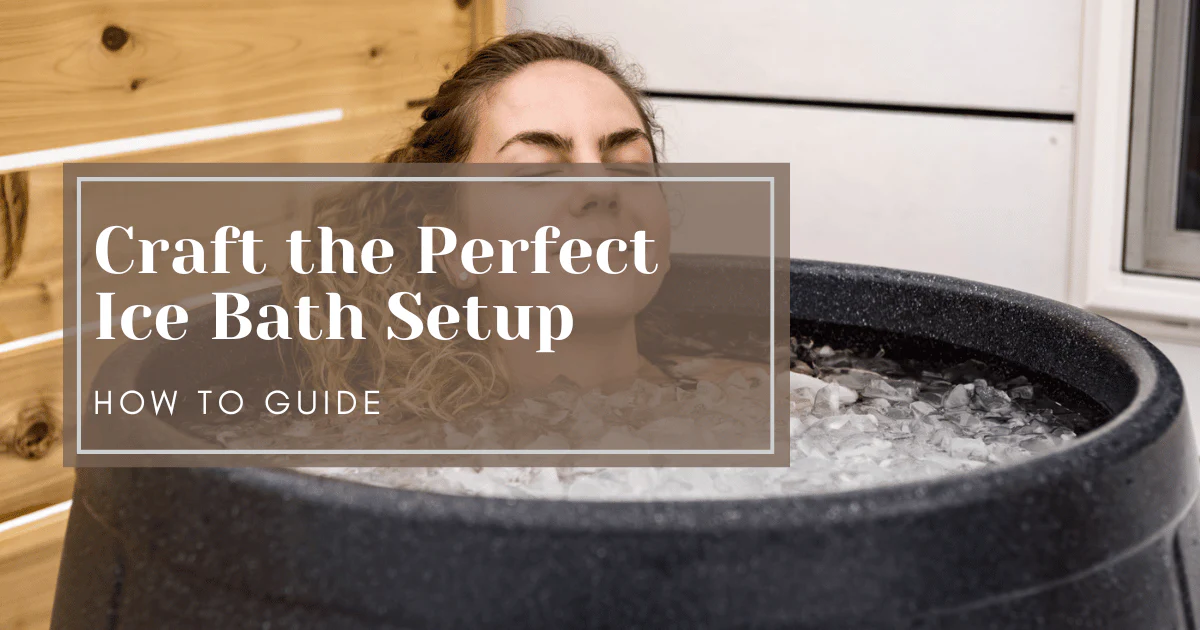
The good news is that you do not need an expensive cryotherapy chamber or professional equipment to experience the benefits. You can easily take an ice bath at home using simple items like a bathtub, a plastic tub, or even a large bucket.
Cold therapy works by exposing the body to very cold water for a short period of time. This sudden drop in temperature causes blood vessels to constrict, which can reduce swelling and muscle inflammation. After leaving the ice bath, blood flow increases again, helping muscles recover faster.
For beginners, however, jumping into freezing water can feel intimidating. Many people worry about the correct temperature, the right duration, and whether the method is safe.
This complete beginner guide will explain everything you need to know about taking an ice bath at home, including preparation, benefits, step-by-step instructions, safety precautions, and common mistakes to avoid.
By the end of this guide, you will feel confident enough to start using ice baths safely and effectively as part of your recovery routine.
What Is an Ice Bath?
An ice bath is a form of cold therapy where a person immerses their body in very cold water, usually between 10°C and 15°C (50°F to 59°F).
Athletes often use this technique after intense workouts to reduce muscle soreness and speed up recovery.
Ice baths are also called:
- Cold water immersion
- Cold therapy
- Recovery ice soak
- Athletic cold treatment
When the body enters cold water, several physiological reactions occur.
Immediate Body Response
The moment you step into cold water, your body reacts quickly.
These responses include:
- Blood vessels tighten (vasoconstriction)
- Heart rate slightly increases
- Breathing becomes faster
- Body temperature begins to drop
This response helps reduce swelling and inflammation in muscles.
Recovery Phase
Once you exit the ice bath, the body begins to warm up again.
Blood vessels expand, allowing fresh oxygen and nutrients to reach muscle tissues. This process can help repair small muscle tears caused by exercise.
Benefits of Ice Baths at Home
Ice baths are popular for a reason. When done correctly, they offer several physical and mental benefits.
1. Faster Muscle Recovery
After intense exercise, muscles develop tiny tears. This is a normal part of building strength.
However, these tears can cause soreness.
Cold water immersion helps reduce inflammation, allowing muscles to recover faster.
2. Reduced Muscle Soreness (DOMS)
Delayed Onset Muscle Soreness (DOMS) usually appears 24–48 hours after exercise.
Ice baths can reduce the intensity of this soreness by calming inflammation and slowing nerve signals that cause pain.
3. Reduced Swelling and Inflammation
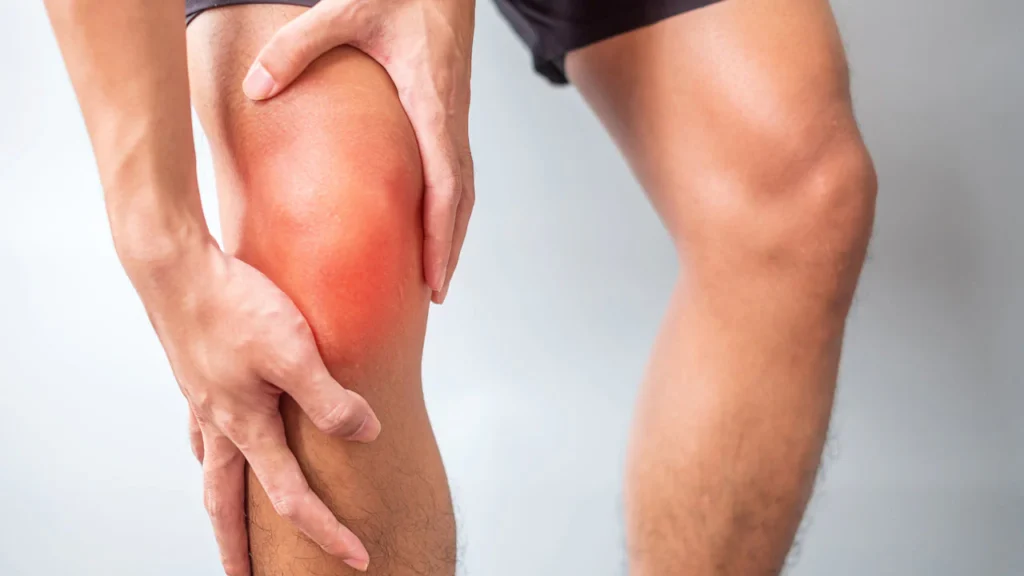
Cold temperatures cause blood vessels to tighten. This helps control swelling in muscles and joints.
Athletes often use ice baths after competitions to prevent excessive inflammation.
4. Improved Circulation
Although cold water initially reduces blood flow, circulation improves after the body warms up again.
This improved circulation helps deliver oxygen and nutrients to damaged muscle tissue.
5. Mental Toughness
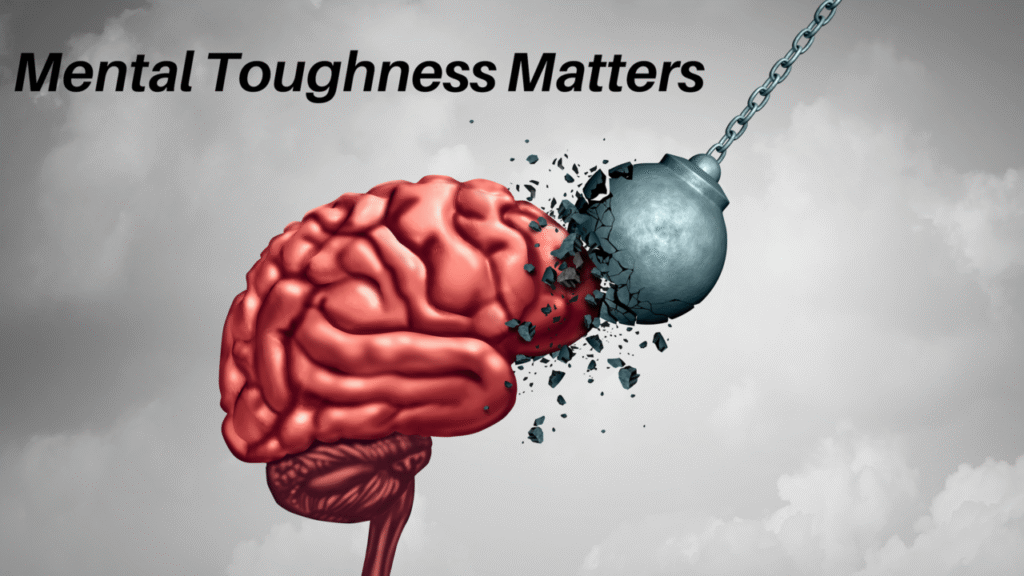
Cold exposure trains the mind to stay calm under stress.
Regular ice baths can help improve:
- Mental resilience
- Stress tolerance
- Focus
- Discipline
Many high-performance athletes use cold exposure as part of their mental training routine.
6. Potential Mood Improvement
Cold exposure can trigger the release of certain hormones such as endorphins and norepinephrine.
These chemicals may improve mood and increase alertness.
Who Should Try Ice Baths?
Ice baths are helpful for many people, especially those who are physically active.
You may benefit from ice baths if you:
- Exercise regularly
- Do strength training
- Run long distances
- Play sports
- Experience frequent muscle soreness
- Want faster workout recovery
However, ice baths are not necessary for everyone. Casual exercisers may recover well with simple rest and stretching.
Who Should Avoid Ice Baths?
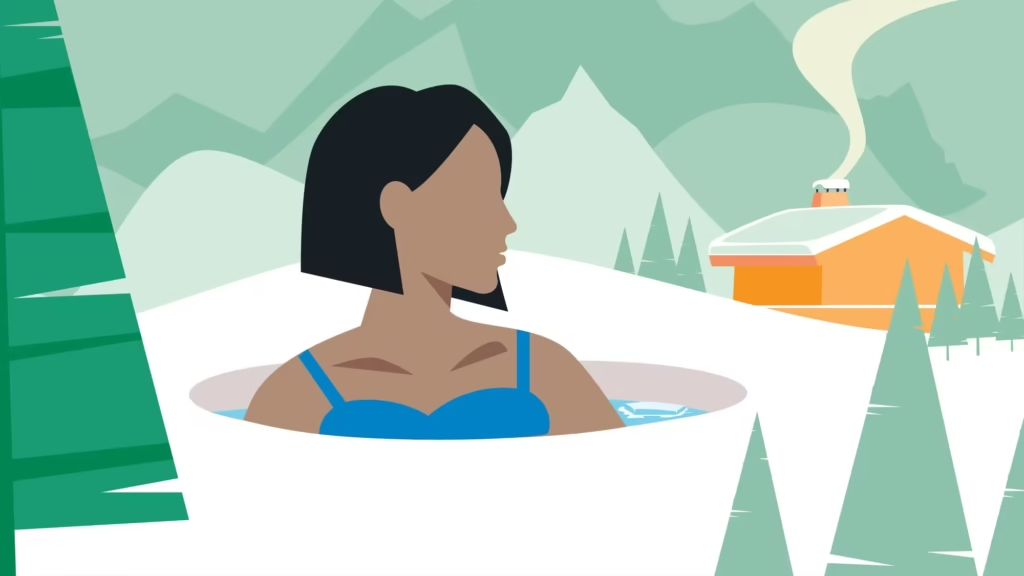
Although ice baths are safe for most healthy people, some individuals should avoid them.
Avoid ice baths if you have:
- Heart disease
- High blood pressure
- Circulation disorders
- Cold hypersensitivity
- Nerve damage
- Diabetes complications
Pregnant women should also consult a doctor before trying cold therapy.
Safety should always come first.
Equipment Needed for an Ice Bath at Home
One of the biggest advantages of ice baths is that they require very little equipment.
You can create a simple ice bath setup at home using common items.
1. Bathtub or Large Container
Most people use a standard bathtub.
Other options include:
- Plastic storage tubs
- Outdoor tubs
- Large buckets
- Portable ice bath tubs
2. Ice
Ice is essential for lowering the water temperature.
A typical ice bath may require 2 to 4 bags of ice depending on tub size.
3. Cold Waterhttps://en.wikipedia.org/wiki/Coldwater_(TV_series)
Fill the tub with cold tap water before adding ice.
4. Thermometer (Optional)
A water thermometer helps monitor temperature.
Beginners should aim for 12–15°C (54–59°F).
5. Timer
A timer helps track how long you stay in the water.
Beginners should start with short sessions.
Ideal Ice Bath Temperature
Temperature plays a major role in both safety and effectiveness.
Beginner Temperature
12–15°C (54–59°F)
This range is cold enough to provide benefits but still manageable for beginners.
Intermediate Temperature
10–12°C (50–54°F)
This level is more intense and commonly used by experienced athletes.
Advanced Temperature
8–10°C (46–50°F)
Very cold and usually used by professionals.
Beginners should never start with extremely cold water.
How Long Should You Stay in an Ice Bath?
Duration is just as important as temperature.
Beginner Duration
5–7 minutes
Intermediate Duration
8–10 minutes
Advanced Duration
10–15 minutes
Staying longer does not necessarily increase benefits and may increase risks.
Experts generally recommend not exceeding 15 minutes.
Step-by-Step Guide to Taking an Ice Bath at Home
Follow these simple steps to create a safe and effective ice bath.
Step 1: Prepare the Tub
Fill your bathtub with cold water first.
The water level should reach your waist when sitting.
Step 2: Add Ice
Add 2–4 bags of ice to reduce the temperature.
Stir the water slightly to distribute the ice evenly.
How Fitness Podcasts Build Member Trust
Step 3: Check the Temperature
Use a thermometer if available.
Aim for 10–15°C (50–59°F).
Step 4: Enter Slowly
Do not jump into the ice bath.
Enter slowly to allow your body to adjust to the cold.
Step 5: Control Your Breathing
Cold water can trigger rapid breathing.
Focus on slow, controlled breathing to relax your body.
Step 6: Stay for the Recommended Time
Use a timer to track your session.
Beginners should stay 5–7 minutes.
Step 7: Exit Carefully
Stand up slowly when leaving the tub.
Cold temperatures can cause dizziness.
Step 8: Warm Up Gradually
After the bath:
- Dry your body
- Wear warm clothes
- Drink warm tea or water
Avoid extremely hot showers immediately.
Best Time to Take an Ice Bath
Timing can influence the effectiveness of cold therapy.
After Intense Workouts
Ice baths are most beneficial immediately after intense exercise.
After Sports Competitions
Athletes often use ice baths to recover between games or matches.
During Heavy Training Periods
Cold therapy can help manage fatigue during intense training cycles.
However, some research suggests that frequent ice baths after strength training may slightly reduce muscle growth.
For this reason, many bodybuilders use ice baths only when soreness is severe.
Ice Bath Safety Tips
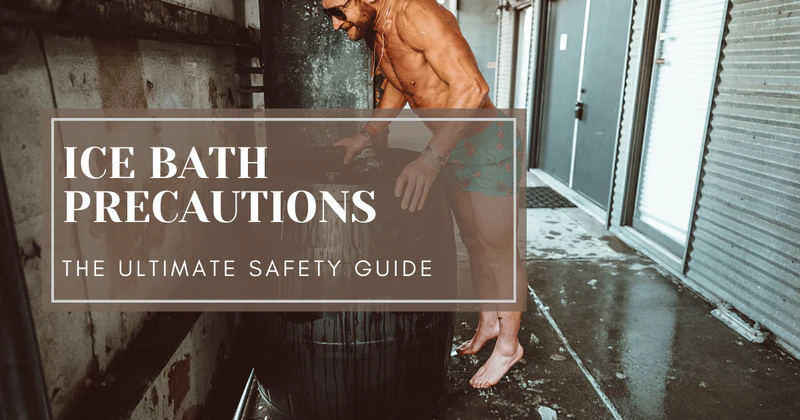
Cold therapy is generally safe, but certain precautions are important.
Start Gradually
Do not begin with extremely cold temperatures.
Allow your body time to adapt.
Never Stay Too Long
Limit sessions to 10–15 minutes maximum.
Avoid Submerging the Head
Keep your head and neck above water.
Listen to Your Body
Exit the bath if you feel:
- Numbness
- Dizziness
- Severe shivering
- Chest pain
Do Not Take Ice Baths Alone
If possible, have someone nearby during your first sessions.
Common Ice Bath Mistakes
Beginners often make a few common mistakes.
Using Too Much Ice
Extremely cold water can shock the body.
Moderate cold is more effective and safer.
Staying Too Long
Longer sessions do not produce better results.
Jumping in Quickly
Entering slowly helps prevent breathing shock.
Using Ice Baths Too Frequently
Ice baths should not replace proper recovery methods such as sleep and nutrition.
Alternatives to Ice Baths at Home
If a full ice bath feels too intense, several alternatives exist.
Cold Showers
Cold showers are easier and require no equipment.
Ice Packs
Ice packs can target specific muscles.
Cold Pools
Swimming in cold pools can provide similar effects.
Contrast Therapy
This method alternates between hot and cold water.
Frequently Asked Questions (FAQs)
Are ice baths safe for beginners?
Yes, ice baths are generally safe if done correctly. Beginners should start with mild temperatures and short durations.
How often should I take an ice bath?
Most people benefit from 2–3 sessions per week after intense workouts.
Do ice baths help muscle growth?
Ice baths mainly help with recovery. Some studies suggest frequent use may slightly reduce muscle growth if used immediately after strength training.
Can I take an ice bath every day?
Daily ice baths are usually unnecessary unless you are an athlete training intensely.
What should I wear during an ice bath?
Most people wear shorts or a swimsuit.
Can ice baths help with weight loss?
Cold exposure can slightly increase calorie burning, but it is not a major weight-loss method.
Conclusion
Ice baths are one of the simplest and most effective recovery methods used by athletes around the world. The best part is that you do not need expensive equipment or professional facilities to enjoy their benefits.
With just a bathtub, cold water, and a few bags of ice, you can create a safe and effective ice bath at home.
When used properly, ice baths can reduce muscle soreness, control inflammation, improve circulation, and help the body recover faster after intense workouts.
However, beginners should start slowly. Focus on moderate temperatures, short durations, and proper safety precautions.
Cold therapy is most effective when combined with other healthy recovery habits such as good sleep, proper nutrition, stretching, and hydration.
By following the tips and guidelines in this complete beginner guide, you can confidently add ice baths to your recovery routine and experience the powerful benefits of cold therapy from the comfort of your own home.
About the Author