
Meta Information
- Title: How Many Hours of Sleep for Muscle Growth?
- Meta Description: Discover the ideal number of sleep hours needed for muscle growth, recovery, and performance. Learn how sleep impacts hormones, protein synthesis, and overall fitness results.
- Focus Keyword: sleep for muscle growth
- URL Slug: sleep-hours-for-muscle-growth
Introduction
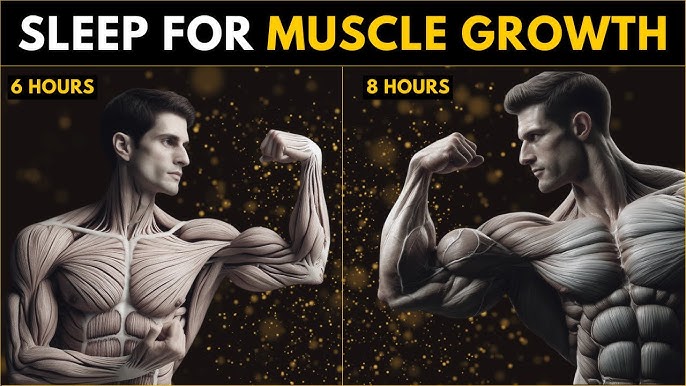
When it comes to building muscle, most people focus on workouts and nutrition. While lifting weights and eating protein are essential, there is a third pillar that is often overlooked—sleep.
Sleep is not just rest; it is an active recovery process where your body repairs tissues, balances hormones, and strengthens muscles. Without proper sleep, even the best workout plan and diet can fail to deliver results.
So, how many hours of sleep do you really need for muscle growth? The answer is not just a simple number—it depends on your lifestyle, training intensity, and recovery needs. In this article, we will explore the science behind sleep and muscle growth, the ideal sleep duration, and how to optimize your rest for maximum gains.
The Science Behind Sleep and Muscle Growth
Muscle growth, also known as hypertrophy, happens when muscle fibers repair and grow stronger after being stressed during exercise. This repair process largely occurs during sleep.
1. Protein Synthesis
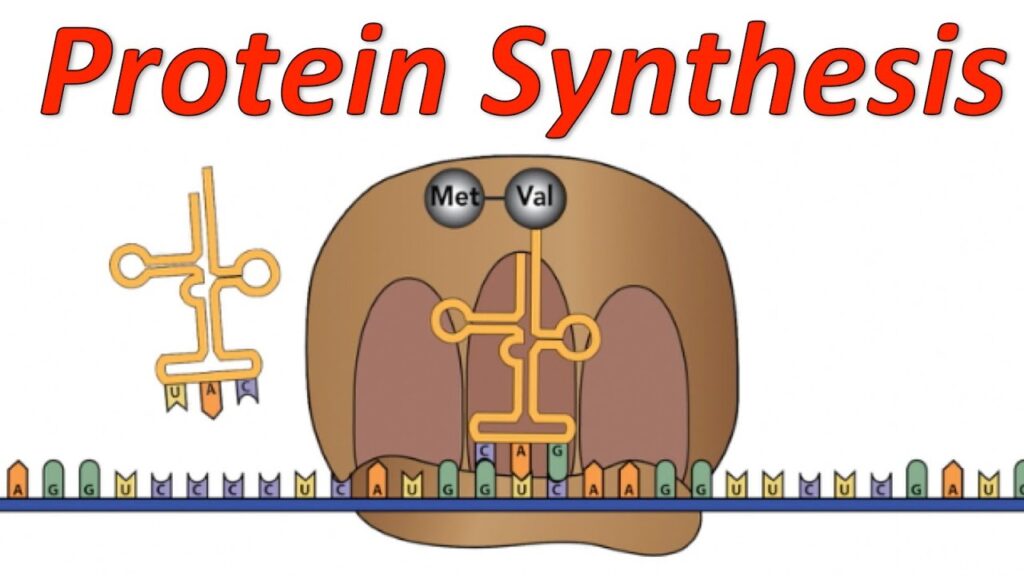
During deep sleep, your body increases protein synthesis, which is the process of repairing and building muscle tissue. Without sufficient sleep, this process slows down, limiting muscle growth.
2. Growth Hormone Release
One of the most critical factors is human growth hormone (HGH). The majority of HGH is released during deep sleep stages. This hormone:
- Repairs muscle tissue
- Promotes fat metabolism
- Supports recovery
Less sleep means reduced HGH production, which directly impacts muscle gains.
3. Testosterone Levels
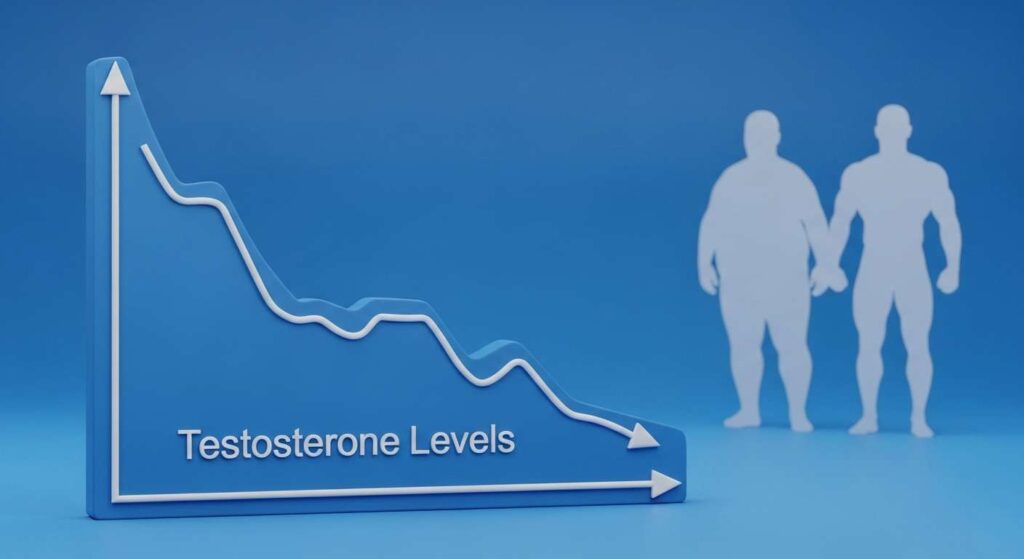
Sleep also regulates testosterone, a key hormone for muscle building. Studies show that sleep deprivation can significantly lower testosterone levels, leading to:
- Reduced strength
- Slower recovery
- Decreased muscle mass
4. Cortisol Controlhttps://www.torrancememorial.org/healthy-living/blog/cortisol-and-your-waistline-the-unseen-battle/
Lack of sleep increases cortisol, the stress hormone. High cortisol levels can:
- Break down muscle tissue
- Increase fat storage
- Slow recovery
How Many Hours of Sleep Do You Need?
Ideal Sleep Duration for Muscle Growth
For most people aiming to build muscle:
👉 7 to 9 hours per night is the optimal range.
Breakdown by Activity Level
| Activity Level | Recommended Sleep |
|---|---|
| Sedentary individuals | 6–7 hours |
| Moderate exercisers | 7–8 hours |
| Intense training (gym/athletes) | 8–10 hours |
Why Athletes Need More Sleep

If you train hard—especially with heavy weightlifting or high-intensity workouts—your body requires extra recovery time. This means:
- More muscle repair
- Higher energy restoration
- Improved performance
Elite athletes often aim for 8–10 hours of sleep, sometimes including naps.
How Fitness Podcasts Build Member Trust
Sleep Stages and Muscle Recovery
Sleep is divided into different stages, each playing a role in recovery.
1. Light Sleep (Stage 1 & 2)
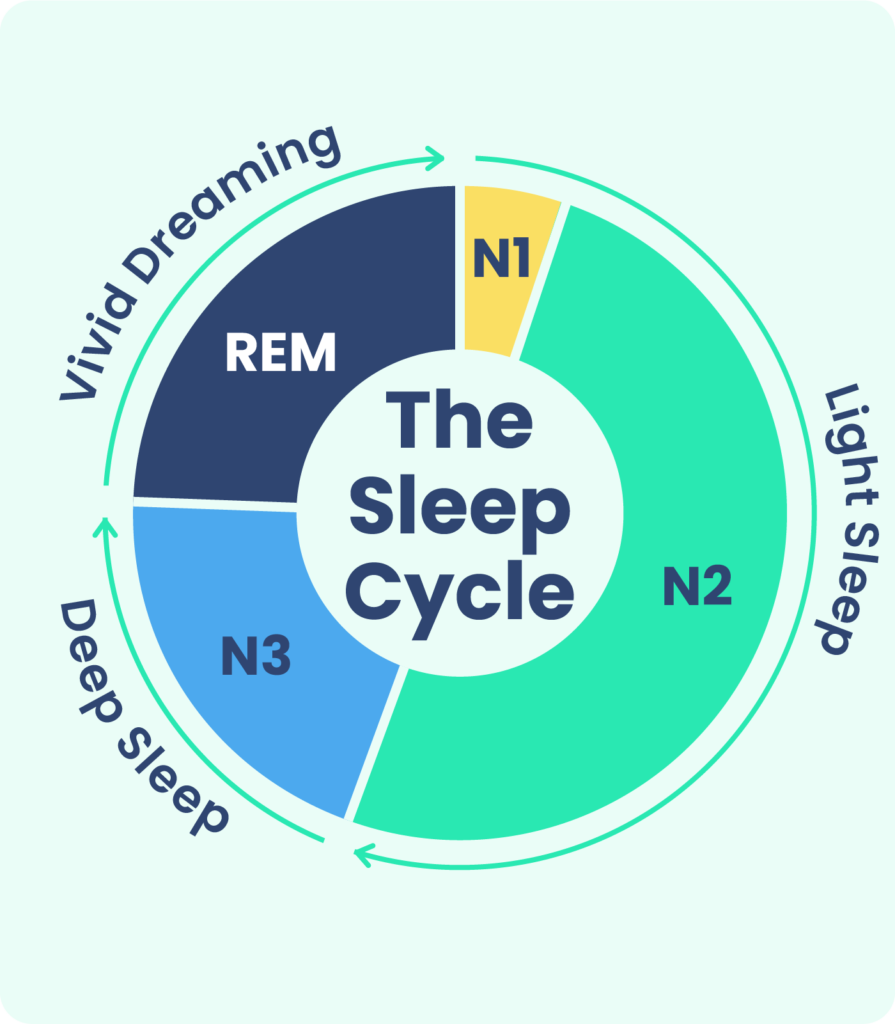
- Prepares the body for deeper sleep
- Helps with basic recovery
nw)
This is the most important stage for muscle growth:
- Maximum growth hormone release
- Muscle repair and tissue rebuilding
- Energy restoration
3. REM Sleep
- Supports brain recovery
- Improves focus and coordination
- Enhances performance in workouts
👉 Missing deep sleep is more harmful than simply sleeping fewer hours.
Effects of Sleep Deprivation on Muscle Growth
Not getting enough sleep can seriously impact your fitness progress.
1. Reduced Strength and Performance
You may feel weaker, less motivated, and unable to lift heavy weights.
2. Slower Recovery

Muscle soreness lasts longer, increasing the risk of injury.
3. Increased Fat Gain
Poor sleep disrupts metabolism, leading to fat accumulation.
4. Muscle Loss
Chronic sleep deprivation can even cause muscle breakdown.
Can You Build Muscle With Less Sleep?
Technically, yes—but it will be slower and less effective.
If you consistently sleep less than 6 hours:
- Hormonal imbalance occurs
- Recovery is incomplete
- Gains are limited
👉 You might maintain muscle, but maximizing growth becomes very difficult.
The Role of Naps in Muscle Recovery
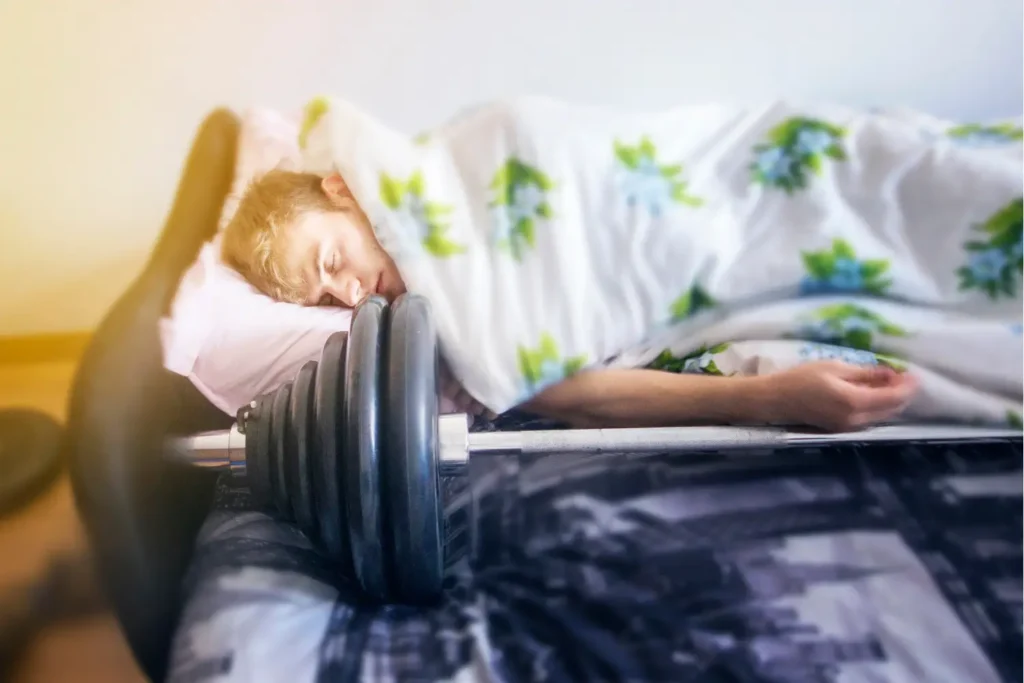
Short naps can help if you are not getting enough nighttime sleep.
Benefits of Napping:
- Boosts recovery
- Improves energy levels
- Enhances mental focus
Ideal Nap Duration:
- 20–30 minutes for quick recovery
- Avoid long naps that interfere with nighttime sleep
Tips to Improve Sleep for Muscle Growth
1. Maintain a Consistent Sleep Schedule
Go to bed and wake up at the same time daily to regulate your body clock.
2. Create a Sleep-Friendly Environment

- Keep your room dark and cool
- Reduce noise
- Use comfortable bedding
3. Limit Screen Time Before Bed
Blue light from phones and laptops can disrupt sleep hormones.
4. Eat Smart Before Bed
- Avoid heavy meals
- Include protein snacks like yogurt or milk
5. Avoid Caffeine Late in the Day
Caffeine can stay in your system for hours and affect sleep quality.
6. Manage Stress
Relaxation techniques like deep breathing or meditation can improve sleep.
Sleep vs Training: Which Is More Important?
This is a common question in fitness.
👉 If forced to choose, sleep is just as important as training.
Without sleep:
- Your workouts become less effective
- Recovery is incomplete
- Muscle growth slows down
A balanced approach is key:
- Train hard
- Eat well
- Sleep enough
Flesch Reading Ease (Approximate)
- Score: 65–70 (Easy to understand)
- This article uses simple language, short sentences, and clear explanations to ensure readability for a wide audience.
FAQs
1. Is 6 hours of sleep enough for muscle growth?
No, 6 hours is generally not enough. You may still see some results, but optimal muscle growth requires at least 7–9 hours.
2. Is oversleeping bad for muscle growth?
Sleeping more than 9–10 hours occasionally is fine, especially after intense workouts. However, excessive sleep regularly may indicate poor sleep quality.
3. Does sleeping more increase muscle growth?
Yes, better and sufficient sleep improves recovery, hormone levels, and muscle repair.
4. What is the best time to sleep for muscle growth?
Sleeping between 10 PM and 6–7 AM aligns well with your natural circadian rhythm and supports hormone release.
5. Do naps replace nighttime sleep?
No, naps are helpful but cannot fully replace deep nighttime sleep.
6. Can poor sleep ruin workout results?
Yes, poor sleep can reduce strength, slow recovery, and limit muscle growth.
Conclusion
Sleep is a powerful yet often underestimated tool for muscle growth. While training and nutrition build the foundation, sleep is what allows your body to recover, repair, and grow stronger.
For optimal muscle gains:
- Aim for 7–9 hours of quality sleep
- Prioritize deep sleep stages
- Maintain consistent sleep habits
If you want faster recovery, better performance, and real muscle growth, improving your sleep might be the most important change you can ma
About the Author