Meta Information
- Title: Anti-Inflammatory Foods for Athletes: Boost Recovery and Performance Naturally
- Meta Description: Discover the best anti-inflammatory foods for athletes to reduce muscle soreness, speed recovery, and improve performance. Learn what to eat and why it works.
- URL Slug: anti-inflammatory-foods-for-athletes
Introduction
Inflammation is a natural and essential response of the body, especially for athletes. After intense workouts, training sessions, or competitions, the body experiences microscopic damage to muscle fibers. This triggers inflammation, which helps repair and strengthen tissues. However, excessive or chronic inflammation can slow recovery, increase soreness, and even lead to injuries.
This is where nutrition plays a powerful role. Anti-inflammatory foods can help athletes manage inflammation effectively, reduce muscle damage, and accelerate recovery without relying solely on supplements or medications. By choosing the right foods, athletes can enhance performance, maintain consistency in training, and protect long-term health.
In this article, we’ll explore the best anti-inflammatory foods for athletes, how they work, and how to incorporate them into your daily routine.
Understanding Inflammation in Athletes
What is Inflammation?
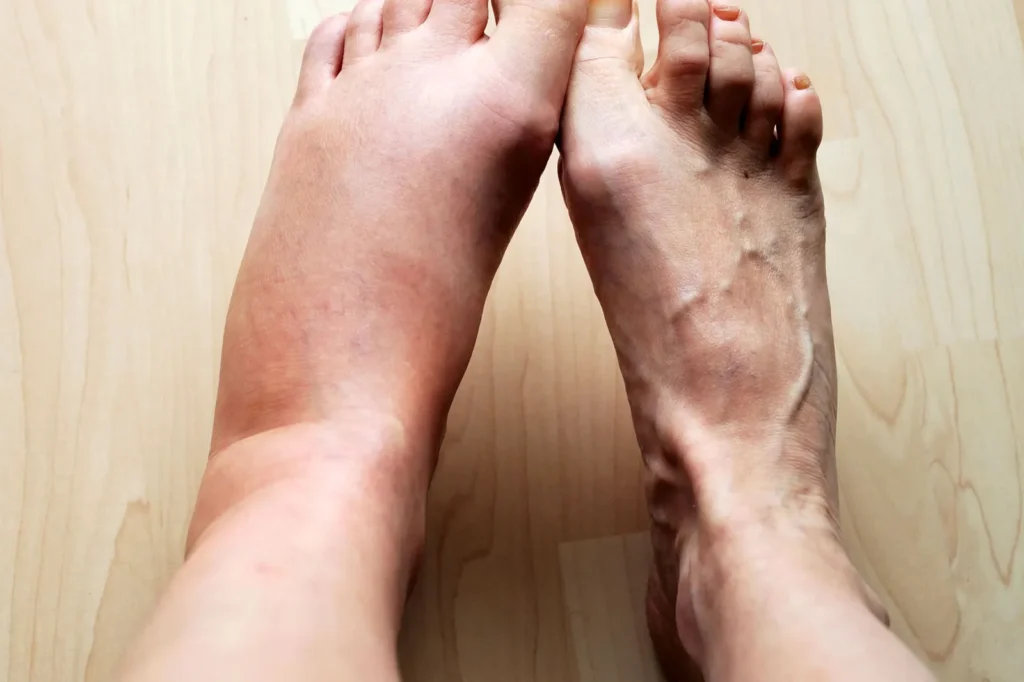
Inflammation is the body’s defense mechanism against injury, stress, or infection. For athletes, it typically occurs after:
- Intense workouts
- Strength training
- Endurance exercises
- Injury or strain
Types of Inflammation
- Acute Inflammation
- Short-term
- Helps muscle repair and growth
- Necessary for adaptation
- Chronic Inflammation
- Long-term
- Can impair recovery
- Leads to fatigue, injury, and poor performance
Why Athletes Need Anti-Inflammatory Foods
- Reduce muscle soreness (DOMS)
- Improve recovery time
- Support immune function
- Prevent overtraining injuries
- Enhance overall performance
Top Anti-Inflammatory Foods for Athletes
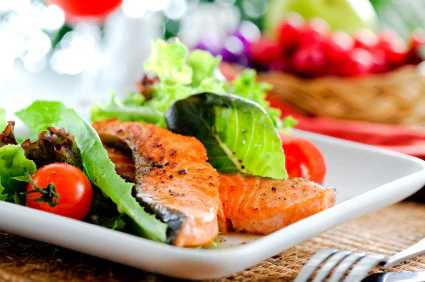
1. Fatty Fish
Examples: Salmon, mackerel, sardines
Why it works:
Rich in omega-3 fatty acids (EPA and DHA), which reduce inflammation markers in the body.
Benefits:
- Speeds muscle recovery
- Reduces joint pain
- Supports heart health
2. Berries
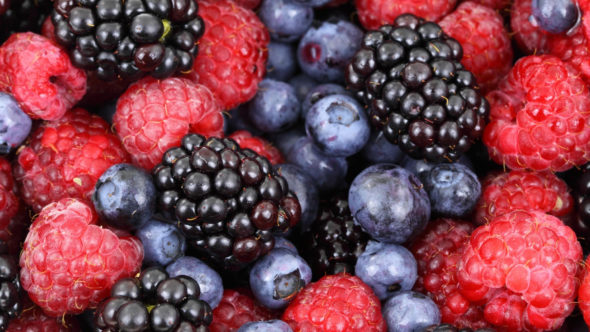
Examples: Blueberries, strawberries, raspberries
Why it works:
High in antioxidants and polyphenols that fight oxidative stress.
Benefits:
- Reduce muscle damage
- Improve endurance
- Boost immunity
3. Leafy Greens
Examples: Spinach, kale, Swiss chard
Why it works:
Packed with vitamins A, C, and K, plus antioxidants.
Benefits:
- Reduce inflammation
- Improve blood circulation
- Support recovery
- How Fitness Podcasts Build Member Trust
4. Nuts and Seeds
Examples: Almonds, walnuts, chia seeds, flaxseeds
Why it works:
Contain healthy fats, fiber, and antioxidants.
Benefits:
- Reduce inflammation
- Provide sustained energy
- Support muscle repair
5. Turmeric
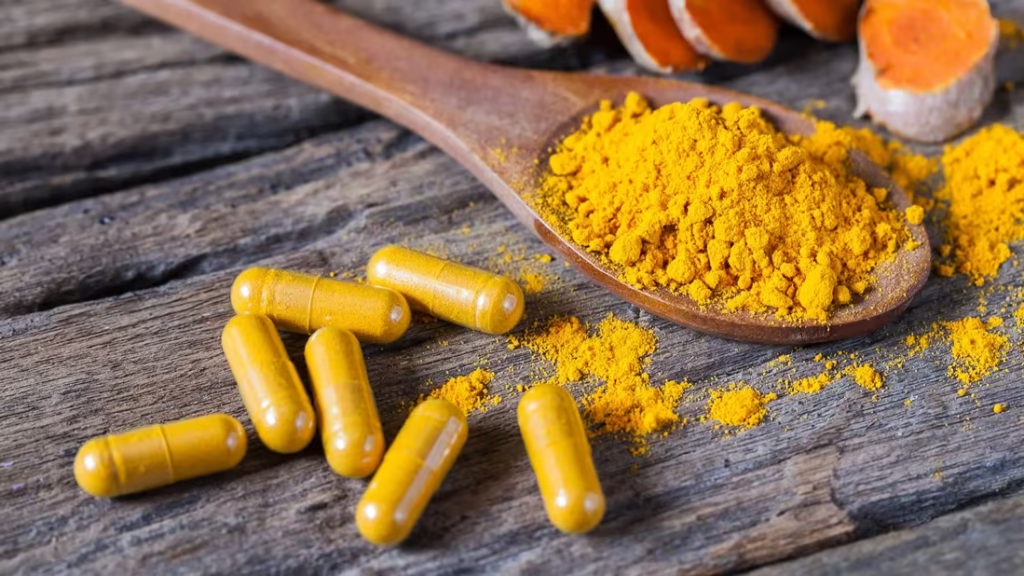
Active compound: Curcumin
Why it works:
Curcumin has powerful anti-inflammatory and antioxidant properties.
Benefits:
- Reduces muscle soreness
- Speeds recovery
- Supports joint health
6. Ginger
Why it works:
Contains gingerol, a natural anti-inflammatory compound.
Benefits:
- Reduces exercise-induced pain
- Improves digestion
- Supports immune system
7. Olive Oil
Why it works:
Rich in monounsaturated fats and antioxidants.
Benefits:
- Reduces inflammation markers
- Supports heart health
- Enhances nutrient absorption
8. Whole Grains
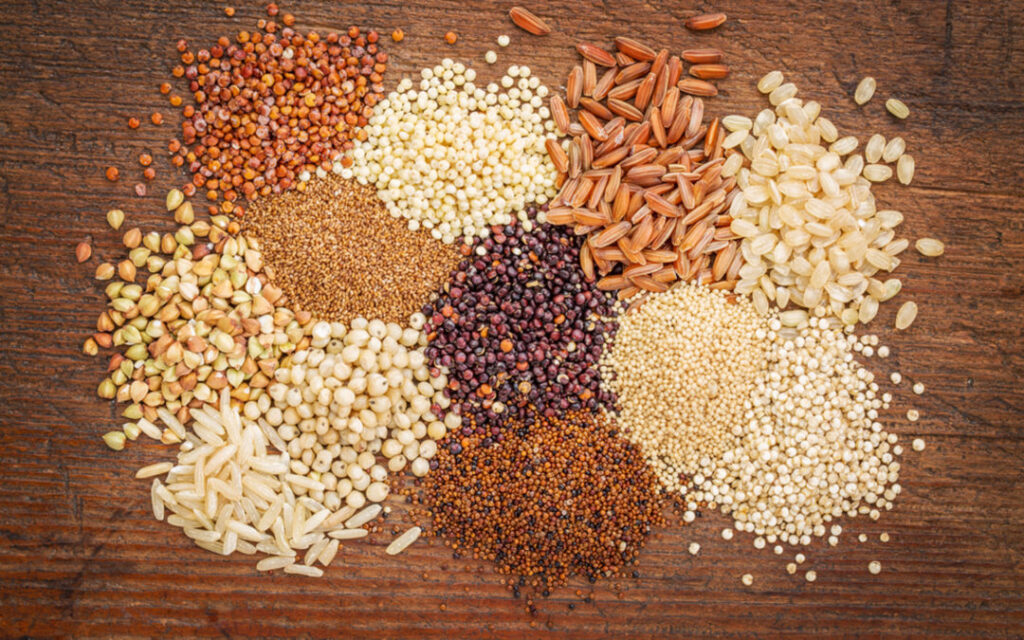
Examples: Brown rice, quinoa, oats
Why it works:
High in fiber, which helps regulate inflammation.
Benefits:
- Provides steady energy
- Supports gut health
- Reduces inflammation
9. Green Tea
Why it works:
Contains catechins, powerful antioxidants.
Benefits:
- Reduces oxidative stress
- Enhances fat oxidation
- Improves recovery
10. Tomatoes
Why it works:
Rich in lycopene, an anti-inflammatory antioxidant.
Benefits:
- Protects cells
- Reduces inflammation
- Supports heart health
Foods Athletes Should Limithttps://championsquest.com/3-foods-athletes-should-avoid-at-all-costs/
To control inflammation, athletes should reduce:
- Processed foods
- Sugary drinks
- Refined carbohydrates
- Fried foods
- Excess alcohol
These can increase inflammation and slow recovery.
How to Build an Anti-Inflammatory Diet
Pre-Workout
- Oats with berries
- Banana with peanut butter
Post-Workout
- Grilled salmon with quinoa
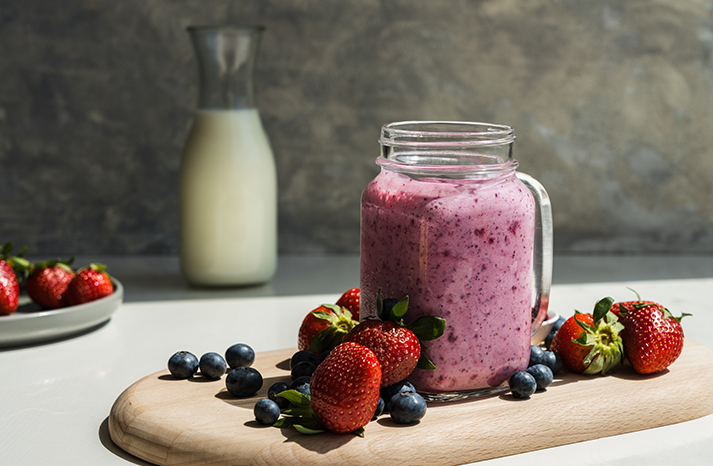
- Smoothie with spinach, berries, and protein
Daily Tips
- Include colorful fruits and vegetables
- Add healthy fats to meals
- Stay hydrated
- Balance protein, carbs, and fats
Sample Anti-Inflammatory Meal Plan
Breakfast
- Oatmeal with blueberries and chia seeds
- Green tea
Lunch
- Grilled chicken salad with olive oil dressing
- Whole grain bread
Snack
- Almonds and a banana
Dinner
- Salmon with brown rice and steamed spinach
Flesch Reading Ease (Approximate)
- Score: 60–70
- Level: Easy to understand for most readers (around 8th–9th grade level)
FAQs
1. Do athletes need anti-inflammatory foods daily?
Yes, including them daily helps maintain balanced inflammation and supports recovery.
2. Can anti-inflammatory foods replace supplements?
In many cases, yes. Whole foods provide natural nutrients that are often more effective and safer.
3. How quickly do these foods work?
Some benefits, like reduced soreness, can be noticed within days, while long-term effects take weeks.
4. Are carbs inflammatory?
Not all carbs. Whole carbs (like oats and brown rice) are anti-inflammatory, while refined carbs can increase inflammation.
5. Is inflammation always bad for athletes?
No. Acute inflammation is necessary for muscle growth. The goal is to control excessive inflammation.
Conclusion
For athletes, managing inflammation is essential for performance, recovery, and long-term health. While inflammation is a natural part of training, excessive levels can hinder progress and increase the risk of injury.
By incorporating anti-inflammatory foods such as fatty fish, berries, leafy greens, nuts, and spices like turmeric and ginger, athletes can naturally support their bodies. These foods not only reduce muscle soreness but also enhance endurance, immunity, and overall well-being.
The key is consistency. A balanced, nutrient-rich diet combined with proper training and rest creates the perfect foundation for peak athletic performance.
About the Author