
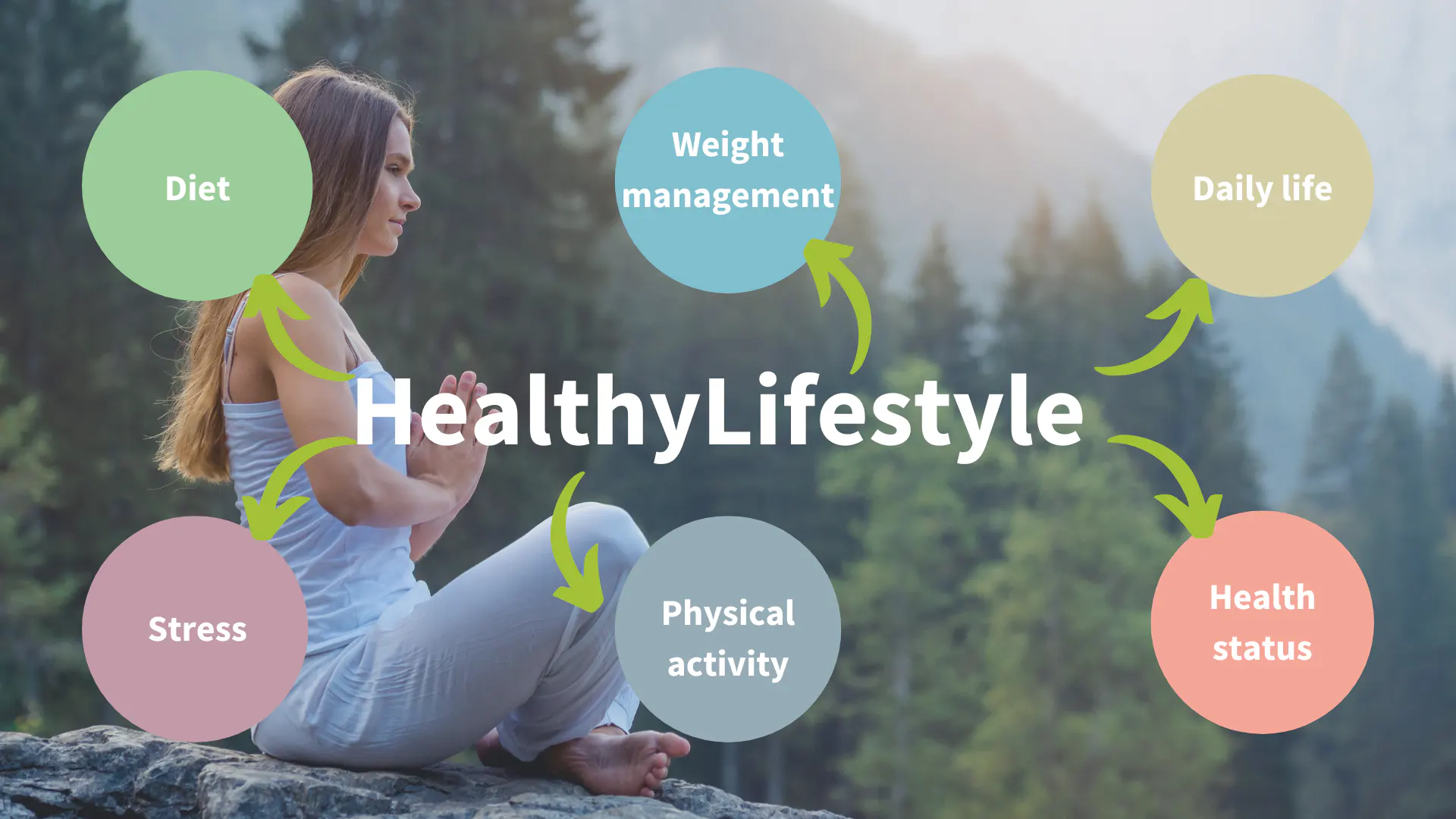
In today’s busy world, maintaining fitness and healthy living has become more important than ever. With increasing work demands, screen time, and unhealthy eating habits, many people struggle to maintain a balanced lifestyle. However, fitness and healthy living are not about following strict diets or spending endless hours in the gym. Instead, they involve making consistent choices that support physical health, mental well-being, and overall quality of life.
A healthy lifestyle helps individuals feel energized, stay productive, prevent diseases, and enjoy life to the fullest. By adopting positive habits and staying committed to personal wellness goals, anyone can improve their health and create lasting positive changes.
Understanding Fitness and Healthy Living
Fitness refers to the body’s ability to perform daily activities efficiently without excessive fatigue. It includes strength, endurance, flexibility, and cardiovascular health. Healthy living, on the other hand, encompasses a broader approach that includes proper nutrition, quality sleep, stress management, hydration, and maintaining a positive mindset.
Together, fitness and healthy living create a foundation for a longer, happier, and more fulfilling life. They work hand in hand to improve physical performance, boost mental health, and enhance overall well-being.
The Importance of Regular Exercise

Physical activity is one of the most important components of a healthy lifestyle. Exercise not only improves physical appearance but also strengthens the heart, muscles, and bones.
Regular exercise offers numerous benefits, including:
- Improved cardiovascular health.
- Better weight management.
- Increased energy levels.
- Enhanced mood and mental clarity.
- Reduced risk of chronic diseases.
People often believe they need intense workouts to stay fit, but even moderate activities such as walking, cycling, swimming, or dancing can provide significant health benefits. The key is consistency rather than perfection.
Experts generally recommend at least 150 minutes of moderate physical activity per week. This can be achieved through simple daily habits that fit comfortably into one’s routine.
Nutrition: Fueling the Body Correctly
Exercise alone is not enough to achieve optimal health. Proper nutrition plays a crucial role in supporting fitness goals and overall wellness.
A balanced diet should include:
- Fruits and vegetables.
- Whole grains.
- Lean proteins.
- Healthy fats.
- Adequate hydration.
These nutrient-rich foods provide essential vitamins, minerals, and energy needed for daily activities and recovery.
At the same time, limiting processed foods, sugary beverages, and excessive fast food consumption can significantly improve health outcomes. Small dietary improvements often lead to long-term benefits, including better digestion, stronger immunity, and improved energy levels.
Healthy eating should be viewed as a sustainable lifestyle rather than a temporary diet.
The Role of Hydration

Water is essential for nearly every function within the human body. Proper hydration supports digestion, circulation, temperature regulation, and nutrient transportation.
Many people overlook the importance of drinking enough water throughout the day. Dehydration can cause fatigue, headaches, poor concentration, and reduced physical performance.
To maintain proper hydration:
- Carry a water bottle daily.
- Drink water before feeling thirsty.
- Increase fluid intake during exercise.
- Limit sugary and highly caffeinated beverages.
Making hydration a priority can improve both physical and mental performance.
Quality Sleep and Recovery
Sleep is often the most neglected aspect of healthy living. While people focus on exercise and nutrition, they frequently underestimate the importance of recovery.
During sleep, the body repairs tissues, builds muscle, strengthens the immune system, and processes information from the day. Lack of sleep can negatively impact mood, concentration, metabolism, and physical performance.
Healthy sleep habits include:
- Maintaining a consistent bedtime.
- Avoiding electronic devices before sleep.
- Creating a calm sleeping environment.
- Limiting caffeine late in the day.
Most adults require seven to nine hours of quality sleep each night to function at their best.
Mental Health and Emotional Well-Being
Fitness and healthy living are not solely about physical health. Mental and emotional well-being are equally important.
Stress, anxiety, and emotional challenges can affect overall health if not properly managed. Developing healthy coping mechanisms can help maintain balance and resilience.
Effective strategies include:
- Meditation.
- Deep breathing exercises.
- Journaling.
- Spending time in nature.
- Connecting with loved ones.
A healthy mind contributes to better decision-making, stronger relationships, and greater life satisfaction.
Building Healthy Habits

One of the biggest challenges people face is maintaining healthy habits consistently. Many individuals start strong but lose motivation after a few weeks.
The secret to long-term success is focusing on small, manageable changes rather than drastic transformations.
Examples of healthy habits include:
- Taking a daily walk.
- Preparing nutritious meals.
- Drinking more water.
- Stretching regularly.
- Practicing gratitude.
These small actions may seem insignificant at first, but over time they produce remarkable results. Consistency is far more powerful than occasional bursts of effort.
Avoiding Common Lifestyle Mistakeshttps://elitefitnessclub.shop/best-lifestyle-changes/
Many people unknowingly engage in habits that negatively affect their health. Some common mistakes include:
- Sitting for long periods without movement.
- Skipping meals.
- Relying on processed foods.
- Getting insufficient sleep.
- Ignoring mental health.
Recognizing these habits and making gradual improvements can significantly enhance overall wellness. Healthy living is not about being perfect; it is about making better choices whenever possible.
Creating a Sustainable Healthy Lifestyle
A sustainable lifestyle is one that can be maintained for years rather than weeks. Extreme diets and unrealistic fitness plans often lead to burnout and disappointment.
Instead, focus on realistic goals that fit your daily routine. Celebrate small victories and understand that progress takes time. Fitness and healthy living should enhance your life, not create unnecessary stress.
Remember that everyone’s journey is unique. What works for one person may not work for another. The key is finding healthy habits that align with your personal preferences and lifestyle.
Conclusion
Fitness and healthy living are lifelong commitments that offer countless benefits for both the body and mind. Through regular exercise, balanced nutrition, proper hydration, quality sleep, and positive mental health practices, individuals can significantly improve their overall well-being.
The journey toward better health does not require perfection. It requires consistency, patience, and a willingness to make positive choices every day. By embracing fitness and healthy living as a way of life, you can build a stronger body, a healthier mind, and a brighter future filled with energy, confidence, and happiness.
About the Author