
Meta Title: Healthy Mind, Healthy Body – A Complete Guide to Better Well-Being
Meta Description: Discover how a healthy mind and healthy body work together to improve your overall well-being. Learn practical tips for mental and physical wellness in this comprehensive guide.
Healthy Mind, Healthy Body
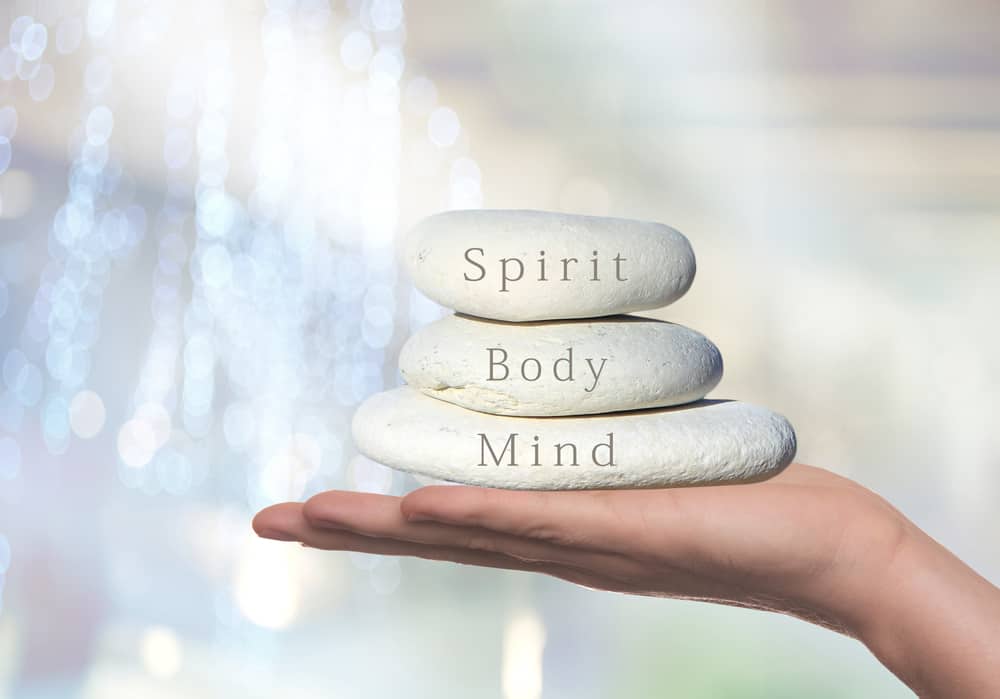
A healthy mind and a healthy body go hand in hand. When your body feels strong and energized, your mind becomes clearer and more focused. Likewise, when your mental health is well cared for, it becomes easier to make healthy lifestyle choices. Achieving balance between physical and mental wellness doesn’t require perfection—it starts with small, consistent habits that support your overall health.
In today’s busy world, stress, unhealthy eating habits, lack of exercise, and poor sleep can negatively impact both your body and mind. The good news is that making simple changes to your daily routine can significantly improve your quality of life.
This guide explores the importance of maintaining both mental and physical health and offers practical strategies to help you achieve long-term wellness.
Why a Healthy Mind and Healthy Body Matter
Mental and physical health are deeply connected. Your thoughts, emotions, and behaviors affect your body’s health, while your physical condition influences your mood, energy, and mental clarity.
Benefits of maintaining both include:
- Increased energy levels
- Better concentration and memory
- Stronger immune system
- Improved mood and emotional stability
- Reduced stress and anxiety
- Better sleep quality
- Lower risk of chronic diseases
- Greater confidence and self-esteem
Taking care of both aspects of your health creates a strong foundation for a happier, more productive life.
Nourish Your Body with Healthy Foods
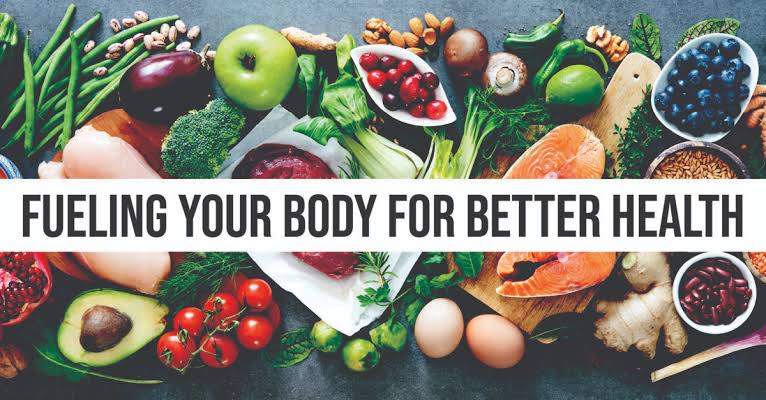
Nutrition plays a major role in supporting both brain function and physical health. A balanced diet provides essential nutrients that help your body perform efficiently while supporting mental clarity.
Focus on eating:
- Fresh fruits and vegetables
- Whole grains
- Lean proteins
- Healthy fats like nuts, seeds, and avocados
- Low-fat dairy or dairy alternatives
Limit:
- Processed foods
- Sugary drinks
- Excessive caffeine
- Fast food
- High-sodium snacks
Drinking enough water throughout the day is equally important. Proper hydration supports brain function, digestion, and overall energy.
Exercise Regularly

Physical activity benefits much more than your muscles. Regular exercise releases endorphins, often called the “feel-good” hormones, which naturally improve mood and reduce stress.
You don’t need intense workouts to enjoy the benefits. Consider activities like:
- Walking
- Jogging
- Cycling
- Swimming
- Yoga
- Dancing
- Strength training
Aim for at least 30 minutes of moderate exercise most days of the week.
Prioritize Quality Sleep
Sleep is one of the most important pillars of good health. During sleep, your body repairs itself while your brain processes memories and emotions.
To improve sleep quality:
- Maintain a consistent sleep schedule.
- Avoid screens before bedtime.
- Keep your bedroom cool and quiet.
- Avoid heavy meals late at night.
- Limit caffeine in the evening.
Most adults should aim for 7–9 hours of quality sleep each night.
Manage Stress Effectively
Stress is a natural part of life, but chronic stress can harm both mental and physical health.
Healthy ways to manage stress include:
- Deep breathing exercises
- Meditation
- Prayer or spiritual reflection
- Journaling
- Listening to calming music
- Spending time in nature
- Talking to trusted friends or family
Learning healthy coping strategies can improve emotional resilience and overall well-being.
Practice Mindfulnesshttps://elitefitnessclub.shop/mindfulness-techniques-to-improve-workout-focus/
Mindfulness means paying attention to the present moment without judgment. It helps reduce anxiety, improve focus, and increase emotional awareness.
Simple mindfulness practices include:
- Mindful breathing
- Gratitude journaling
- Meditation
- Slow, intentional walks
- Eating meals without distractions
Even five to ten minutes of mindfulness each day can make a noticeable difference.
Build Positive Relationships
Humans thrive through meaningful connections. Healthy relationships provide emotional support, reduce loneliness, and improve overall happiness.
Strengthen your relationships by:
- Spending quality time with loved ones
- Communicating honestly
- Practicing kindness
- Offering support to others
- Setting healthy boundaries
Positive social interactions contribute greatly to mental wellness.
Keep Your Mind Activehttps://www.nidirect.gov.uk/articles/staying-mentally-active
Just as exercise strengthens the body, mental stimulation strengthens the brain.
Challenge your mind by:
- Reading books
- Solving puzzles
- Learning new skills
- Taking online courses
- Playing strategy games
- Practicing creative hobbies
Continuous learning keeps your mind sharp and promotes lifelong cognitive health.
Limit Negative Habits
Certain habits can damage both mental and physical health over time.
Try to reduce or avoid:
- Smoking
- Excessive alcohol consumption
- Recreational drug use
- Excessive screen time
- Constant social media comparison
- Sedentary lifestyle
Replacing unhealthy habits with positive routines creates lasting improvements.
Practice Self-Care Daily

Self-care isn’t selfish—it’s essential. Taking time to care for yourself helps prevent burnout and improves overall health.
Daily self-care ideas include:
- Taking a relaxing bath
- Reading a favorite book
- Spending time outdoors
- Practicing gratitude
- Stretching
- Drinking enough water
- Enjoying a healthy meal
- Taking short breaks during work
Small acts of self-care accumulate into long-term wellness.
Set Realistic Health Goals
Major lifestyle changes often begin with small, achievable goals.
Examples include:
- Walking 20 minutes daily
- Drinking eight glasses of water
- Eating vegetables with every meal
- Sleeping before 11 PM
- Practicing meditation for 10 minutes
- Limiting sugary snacks
Tracking your progress helps maintain motivation and builds confidence.
Listen to Your Body
Your body often gives early warning signs when something isn’t right.
Pay attention to:
- Constant fatigue
- Frequent headaches
- Mood changes
- Sleep disturbances
- Loss of appetite
- Persistent pain
- Difficulty concentrating
Seeking professional medical or mental health support when needed is an important part of self-care.
Maintain Consistency
Health isn’t about temporary diets or short-term fitness challenges. It’s about creating sustainable habits that become part of your everyday life.
Remember:
- Progress matters more than perfection.
- Small improvements add up over time.
- Consistency creates lasting results.
- Celebrate every healthy choice you make.
A balanced lifestyle is built one day at a time.
Frequently Asked Questions (FAQs)
1. Why are mental and physical health connected?
Mental and physical health influence each other. Good physical health improves mood and brain function, while good mental health supports healthy habits and overall wellness.
2. What foods support both brain and body health?
Whole grains, leafy vegetables, berries, fatty fish, nuts, seeds, lean proteins, and plenty of water all contribute to better physical and mental health.
3. How much exercise is recommended?
Most adults should aim for at least 150 minutes of moderate physical activity each week, along with strength-training exercises twice weekly.
4. Can stress affect physical health?
Yes. Long-term stress can contribute to headaches, digestive issues, high blood pressure, weakened immunity, and sleep problems.
5. What is the simplest way to start living a healthier lifestyle?
Begin with small habits such as drinking more water, taking a daily walk, eating more fruits and vegetables, getting enough sleep, and practicing gratitude.
Conclusion
A healthy mind and a healthy body are the foundation of a fulfilling life. By nourishing your body with healthy foods, staying physically active, managing stress, sleeping well, and cultivating positive relationships, you create a lifestyle that supports both mental and physical well-being. Remember that lasting health is built through consistent daily choices, not overnight transformations. Start with one healthy habit today, and over time, those small actions will lead to a stronger body, a calmer mind, and a happier life.
About the Author