
Introduction
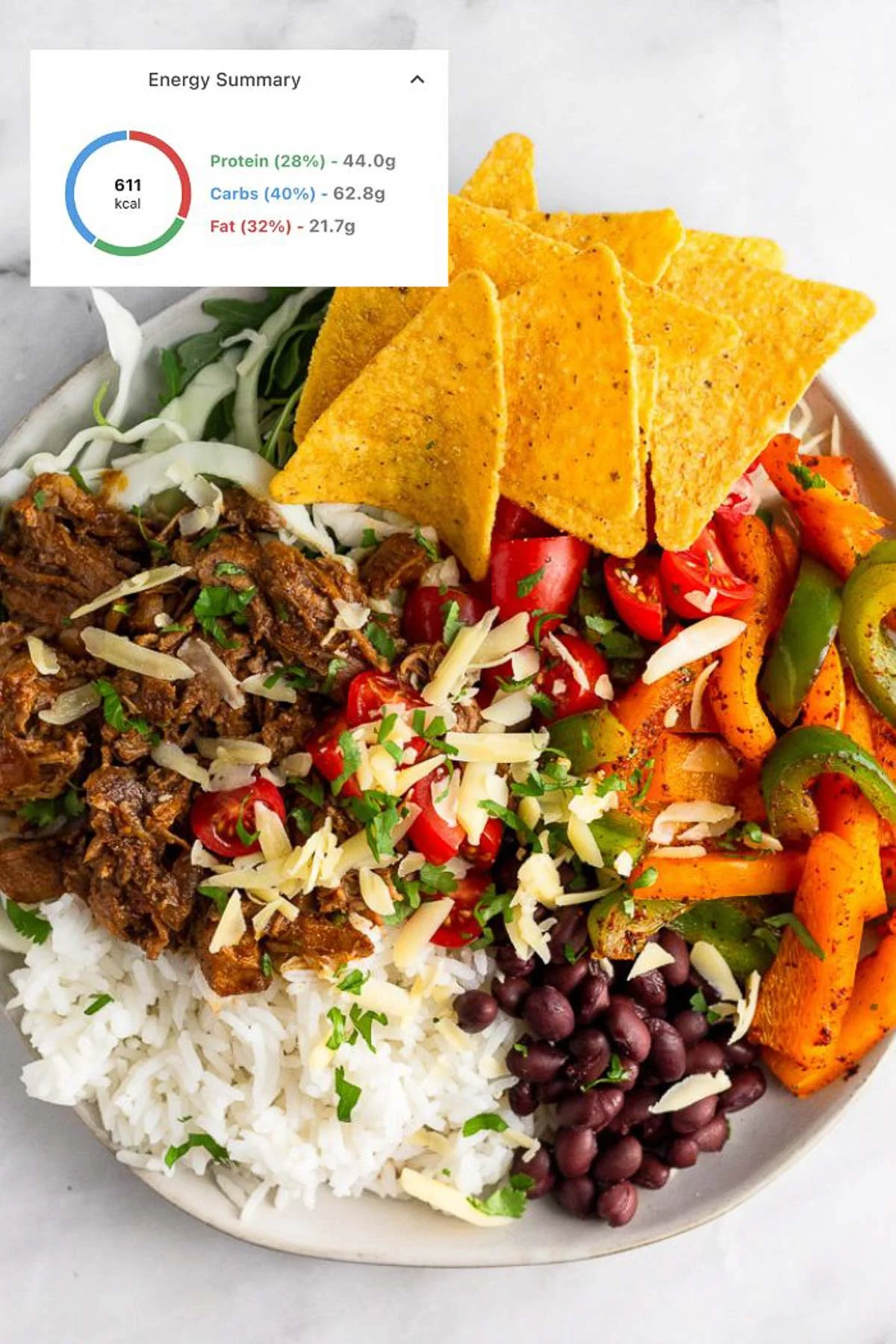
Nutrition is more than just calories—it’s about understanding what those calories are made of. If you’re new to fitness or weight management, you’ve probably heard the term “macros” (short for macronutrients). Macros are the building blocks of your diet: proteins, carbohydrates, and fathttps://www.msdmanuals.com/home/disorders-of-nutrition/overview-of-nutrition/carbohydrates-proteins-and-fatss. Learning how to count and track them can transform the way you eat, whether your goal is fat loss, muscle gain, or simply maintaining a healthier lifestyle.
By mastering macro tracking, you take control of your nutrition. You move beyond guessing and start making informed choices. This guide explains what macros are, how to calculate them, and practical ways to track them daily.
Information
- Meta Title: Beginner’s Guide to Macros: How to Count and Track for Better Nutrition
- Meta Description: Learn what macros are, why they matter, and how to count and track them for effective weight loss, muscle gain, and balanced nutrition.
- URL Slug: beginners-guide-to-macros-how-to-count-and-track
What are Macros?
?
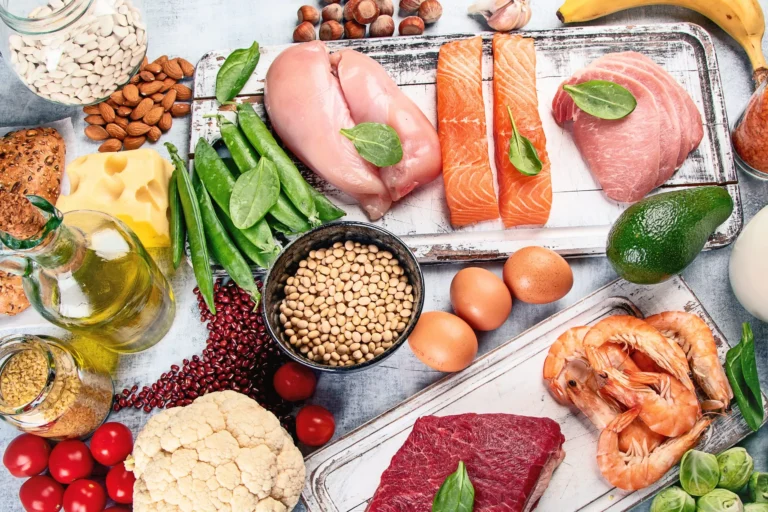
- Proteins – Help repair and build muscles (chicken, fish, beans).
- Carbohydrates – Provide energy for workouts and daily activities (rice, bread, oats).
- Fats – Support hormones and brain health (avocado, nuts, olive oil).
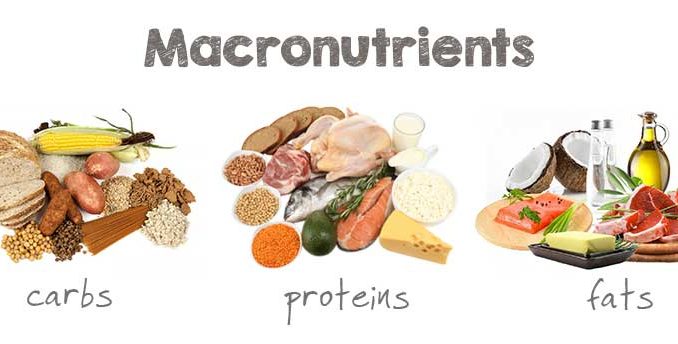
Each macronutrient has a caloric value:
- protein = 4 calories
- 1g carbohydrate = 4 calories
- 1g fat = 9 calories
Why Should You Track Macros?
Counting macros helps you understand not just how much you eat, but also what you eat. For example, two 500-calorie meals may provide completely different nutrients. Tracking allows you to:
- Ensure enough protein for muscle growth.
- Balance carbs and fats for energy and recovery.
- Avoid nutrient deficiencies.
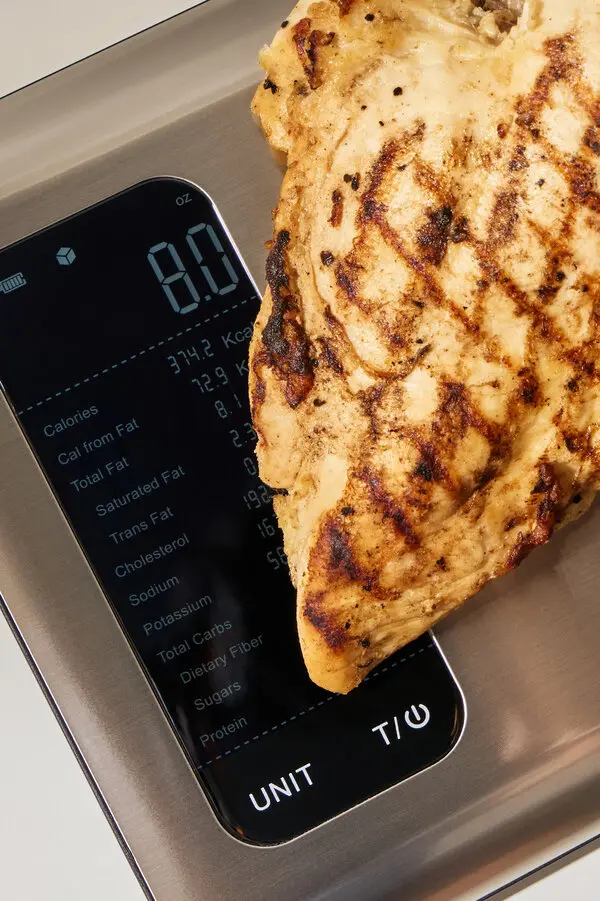
(👉 For more, read Harvard’s Guide to Healthy Eating).
How to Calculate Your Macros
- Determine Calorie Needs – Use a calculator like TDEE Calculator to find how many calories you burn daily.
- Set Macro Ratios (general starting point):
- Protein: 25–30%
- Carbohydrates: 40–50%
- Fats: 20–30%
- Adjust to Goals:
- Fat loss = higher protein, moderate carbs.
- Muscle gain = higher carbs, sufficient protein.
- Maintenance = balanced approach.
How to Track Your Macros
- Apps: MyFitnessPal, Cronometer, or MacroFactor make logging easy.
- Food Labels: Learn to read serving sizes and nutrients.
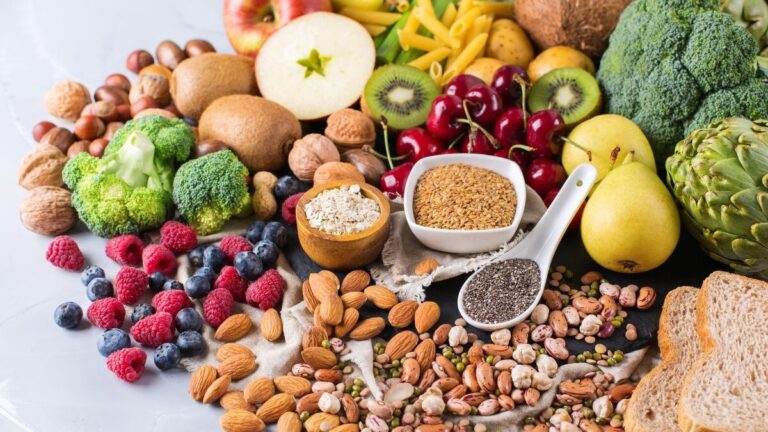
- Kitchen Scale: Weighing food improves accuracyhttps://fettleandfood.com/the-power-of-weighing-and-measuring-food-a-nutritional-game-changer-for-goal-achievement/.
💡 Pro Tip: Don’t aim for perfection—hitting macros within 5–10g is usually fine.
Internal Links (for your site)
- 10 Best Home Workouts You Can Do Without Equipment
- Top 10 Protein-Rich Foods for Muscle Growth
- Pre-Workout vs Post-Workout Nutrition
Social Media Snippet (Meta Tags)
Meta Title: Beginner’s Guide to Macroshttps://www.healthline.com/nutrition/how-to-count-macros: How to Count and Track
Meta Description (155 chars): Learn how to count and track macros for fat loss, muscle gain, and better nutrition. A
FAQs
Q1: Is counting macros better than counting calories?
👉 Yes. Calories tell you how much energy you eat, but macros show you what kind of energy.
Q2: Do I need to track macros forever?
👉 No. Tracking is a learning tool—you can eventually estimate portions intuitively.
Q3: How accurate should I be with tracking?
👉 Aim for consistency, not perfection. Small daily differences won’t ruin progress.
Q4: Can I lose weight without counting macros?
👉 Yes, but tracking provides structure and helps avoid nutrient gaps.
Q5: Do macros change if I work out more?
👉 Absolutely. More activity usually means you’ll need more carbs and protein.
s.
Comparison Tables
Macros vs Calories
| Feature | Calories | Macros (Proteins, Carbs, Fats) |
|---|---|---|
| Definition | Measure of total energy in food | Nutrients that provide calories |
| Focus | Quantity of energy | Quality and type of nutrients |
| Example | 500 calories (could be from chips) | 500 calories (protein-rich chicken & rice) |
| Best For | Simple energy balance (in/out) | Balanced nutrition & goal-specific diets |
| Limitations | Doesn’t show what you eat | Requires more effort to track |
Tracking Methods
| Method | How It Works | Pros | Cons |
|---|---|---|---|
| Food Labels | Check serving sizes & macros listed | Easy, accessible, free | Not all foods have labels |
| Apps (MyFitnessPal, Cronometer) | Scan barcodes or log meals in app | Fast, accurate, stores history | Requires smartphone & setup |
| Kitchen Scale | Weigh food portions manually | Most accurate for home cooking | Can feel time-consuming |
| Visual Estimation | Eyeball serving sizes (hand method) | Quick, useful when eating out | Less precise, needs practice |
Sample 1-Day Macro Tracking Example
| Meal | Food Item | Quantity | Carbs (g) | Protein (g) | Fat (g) | Calories |
|---|---|---|---|---|---|---|
| Breakfast | Oatmeal (rolled oats) | 1 cup (80g) | 54 | 10 | 5 | 310 |
| Almond butter | 1 tbsp (16g) | 3 | 4 | 9 | 98 | |
| Blueberries | ½ cup (75g) | 10 | 0.5 | 0.5 | 42 | |
| Snack | Greek yogurt (plain, 2%) | 200g | 8 | 20 | 4 | 146 |
| Almonds | 20g | 6 | 4 | 9 | 124 | |
| Lunch | Grilled chicken breast | 150g | 0 | 46 | 3 | 239 |
| Brown rice (cooked) | 1 cup (195g) | 45 | 5 | 2 | 216 | |
| Steamed broccoli | 1 cup (90g) | 6 | 2 | 0 | 31 | |
| Snack | Protein shake (whey) | 1 scoop (30g) | 3 | 24 | 1 | 120 |
| Dinner | Salmon (grilled) | 150g | 0 | 34 | 13 | 275 |
| Quinoa (cooked) | 1 cup (185g) | 39 | 8 | 4 | 222 | |
| Olive oil (for cooking) | 1 tbsp (14g) | 0 | 0 | 14 | 120 | |
| Daily Total | 174g | 157.5g | 64.5g | 1,943 |
✅ Key Takeaways from Example:
- Total intake: ~1,943 calories (close to 2,000 target).
- Macros: 174g carbs, 157g protein, 64.5g fat (close to 40/30/30 ratio).
- Small adjustments (extra fruit, nuts, or olive oil) can close the gap to exact targets.
This table shows beginners how to log foods, weigh portions, and compare totals to their daily macro goals. It also proves tracking doesn’t need to be restrictive—you can enjoy variety while hitting targets.
👉 Example SEO-friendly Title:
Beginner’s Guide to Macros: How to Count and Track for Weight Loss or Muscle Gain
👉 Example SEO-friendly Meta Description (155 chars):
Learn how to count and track macros easily. A beginner’s guide to proteins, carbs, and fats for fat loss, muscle gain, and balanced nutrition.
Problem
Many beginners struggle with dieting because they only count calories. While calories matter, they don’t tell the whole story. Without understanding macronutrients (macros)—protein, carbohydrates, and fats—you might feel tired, struggle to gain muscle, or even hit weight loss plateaus.
Outcome
By learning how to count and track macros, you can create a balanced diet that fuels your workouts, supports muscle growth, and improves energy. Instead of random eating, you’ll have a structured approach that works for fat loss, muscle gain, or maintenance.
Solution
The solution is simple: track macros, not just calories. When you know how much protein, carbs, and fat you need daily, you can design meals that match your fitness goals. Tools like MyFitnessPal, Cronometer, or a simple food journal can make tracking easier.
How
- Calculate your calorie needs (based on age, weight, activity).
- Set your macro ratios (e.g., 40% carbs, 30% protein, 30% fat).
- Track daily intake using an app or notebook.
- Adjust weekly depending on results (if you’re losing/gaining too fast, tweak your numbers).
- Choose whole foods—lean meats, whole grains, nuts, fruits, and vegetables—to make tracking easier and healthier.
Conclusion
Counting macros may seem complicated at first, but once you practice for a week, it becomes a habit. Instead of guessing what to eat, you’ll know exactly how to fuel your body. Whether you want to lose fat, build muscle, or maintain weight, macro tracking gives you control and confidence.
Example: 1-Day Macro Tracking
Here’s a sample 2,000-calorie plan with a 40/30/30 split (Carbs/Protein/Fat):
| Meal | Food Example | Protein (g) | Carbs (g) | Fat (g) |
|---|---|---|---|---|
| Breakfast | 2 eggs + 2 slices whole wheat toast | 18 | 25 | 10 |
| Snack | Greek yogurt + berries | 15 | 20 | 2 |
| Lunch | Grilled chicken + rice + veggies | 30 | 40 | 8 |
| Snack | Almonds (30g) | 6 | 6 | 14 |
| Dinner | Salmon + sweet potato + broccoli | 35 | 30 | 12 |
👉 Total: ~104g Protein, 121g Carbs, 46g Fat (~2000 Calories)
About the Author


Usually I don’t read article on blogs, but I would like to
say that this write-up very compelled me to take a look at and do so!
Your writing taste has been surprised me. Thank you, quite great post.
Asking questions are actually good thing if you are
not understanding something entirely, except this paragraph gives pleasant understanding yet.