✅ Meta Information
Title: Best Muscle Recovery Tips After Intense Workouts (Science-Backed Guide)
Meta Description: Discover the best muscle recovery tips after intense workouts. Learn science-backed strategies including nutrition, sleep, stretching, hydration, and supplements to recover faster and build muscle effectively.
Focus Keyword: Muscle recovery tips
Secondary Keywords: post workout recovery, muscle soreness relief, reduce DOMS, workout recovery methods, muscle repair strategies, recovery after intense workout
URL Slug: best-muscle-recovery-tips-after-intense-workouts
🏋️ Introduction
Intense workouts push your body to its limits. Whether you’re lifting heavy weights, doing HIIT, sprinting, or training for endurance, your muscles experience microscopic tears. This is normal. It is part of muscle growth.
However, muscle growth does not happen during training. It happens during recovery.
Without proper recovery, you may experience:
- Prolonged muscle soreness
- Fatigue
- Reduced performance
- Increased injury risk
- Overtraining
In this complete guide, you will learn the best muscle recovery tips after intense workouts, backed by science and easy to apply. These methods will help you recover faster, reduce soreness, and improve performance.
🧬 Why Muscle Recovery Is Important
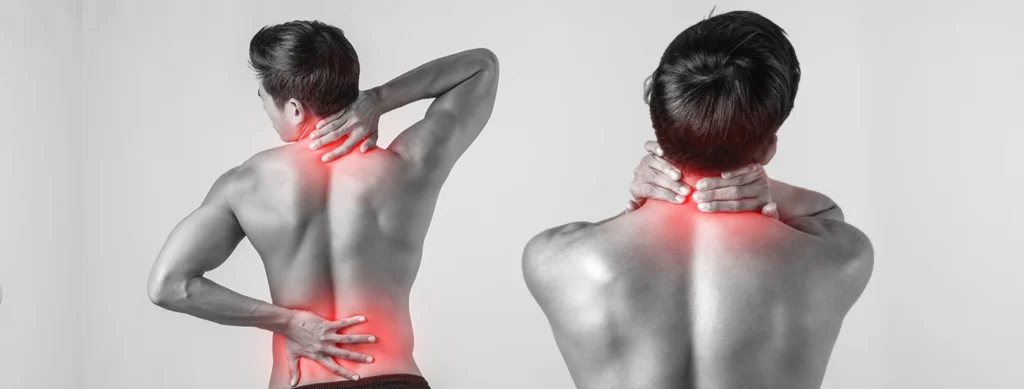
When you train hard, your muscle fibers break down. This leads to Delayed Onset Muscle Soreness (DOMS), which usually peaks 24–72 hours after exercise.
Recovery helps:
- Repair muscle fibers
- Restore energy stores (glycogen)
- Reduce inflammation
- Improve strength gains
- Prepare your body for the next session
If recovery is ignored, progress slows down.
💧 1. Rehydrate Immediately
Dehydration increases muscle cramps and delays recovery.
Why Hydration Matters
During intense workouts, you lose fluids through sweat. Even 2% dehydration can reduce performance.
What To Do
- Drink 500–700 ml water immediately after training
- Add electrolytes if workout exceeds 60 minutes
- Monitor urine color (light yellow is ideal)
Pro Tip: Coconut water or electrolyte drinks help replace sodium and potassium.
🍗 2. Eat Protein Within 30–60 Minutes

Protein is essential for muscle repair.
How Much Protein?
Research suggests:
- 20–40 grams of high-quality protein post-workout
- 0.25–0.4g per kg body weight
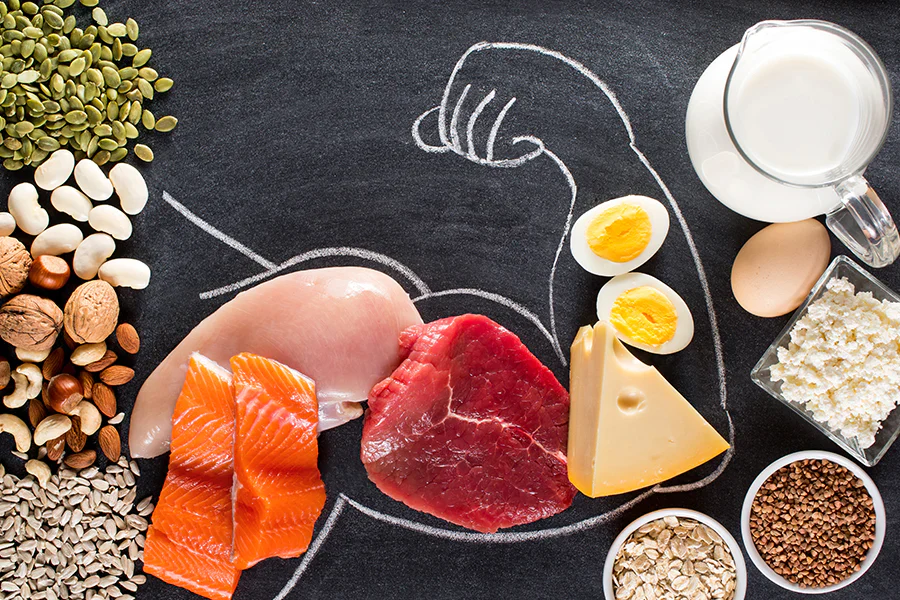
Best Protein Sources
- Whey protein
- Eggs
- Chicken breast
- Greek yogurt
- Tofu
Protein stimulates muscle protein synthesis, which repairs damaged fibers.
🍚 3. Refill Glycogen With Carbohydrateshttps://my.clevelandclinic.org/health/articles/23509-glycogen
Carbohydrates restore muscle glycogen.
Why It Matters
Intense training depletes glycogen stores. Without carbs, recovery slows.
Best Carb Sources
- Rice
- Potatoes
- Oats
- Bananas
- Whole grain bread
For heavy training days, combine protein + carbs for optimal recovery.
😴 4. Prioritize Quality Sleep

Sleep is the most powerful recovery tool.
During Sleep:
- Growth hormone increases
- Muscle repair accelerates
- Inflammation reduces
Aim For:
- 7–9 hours per night
- Consistent sleep schedule
- Dark, cool room
Lack of sleep increases cortisol, which slows muscle repair.
🧘 5. Active Recovery
Active recovery improves blood circulation.
Examples
- Light walking
- Cycling at low intensity
- Swimming
- Mobility exercises
This helps remove metabolic waste like lactate and reduces stiffness.
How Fitness Podcasts Build Member Trust
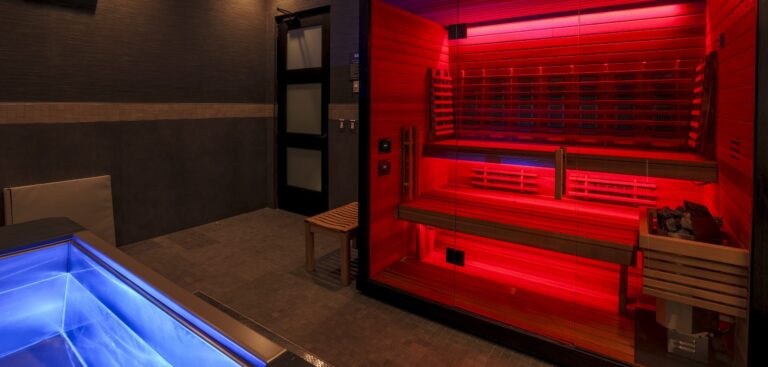
🧊 6. Cold Therapy & Ice Baths
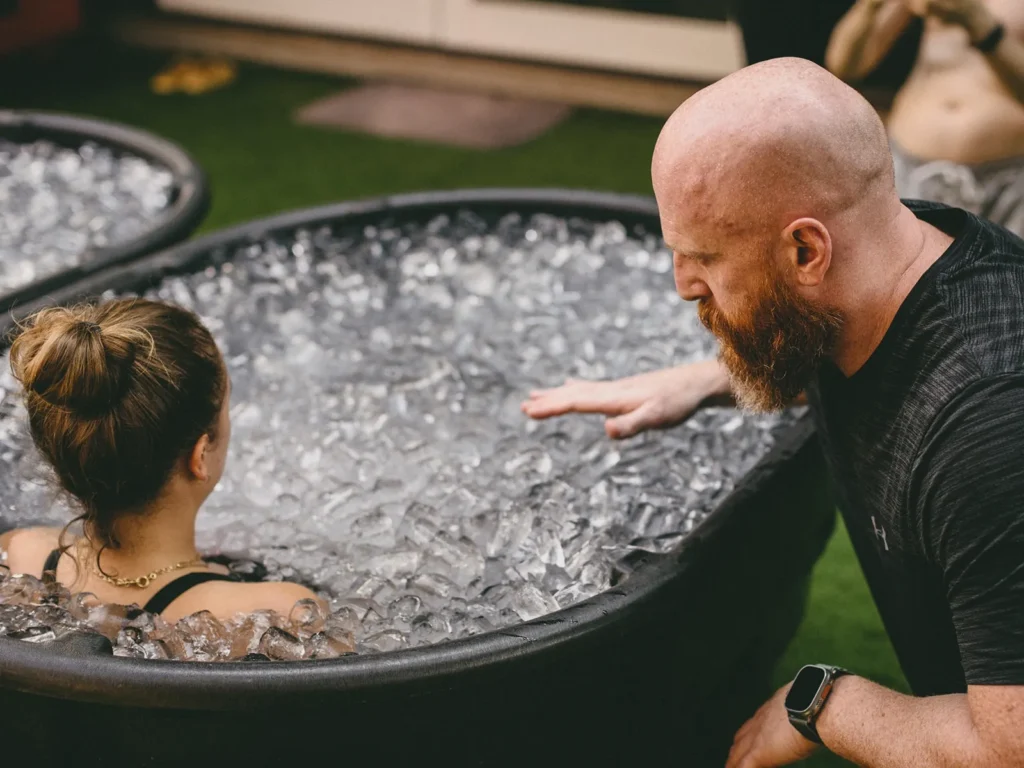
Cold exposure reduces inflammation.
Benefits
- Reduces swelling
- Eases soreness
- Speeds recovery
Ice baths (10–15 minutes) are useful after very intense sessions.
However, avoid daily use if muscle growth is your main goal, as excessive cold exposure may blunt adaptation.
🔥 7. Stretching & Mobility Workhttps://tommorrison.uk/blog/the-ultimate-daily-mobility-routine
Stretching maintains flexibility and reduces tightness.
Types
- Static stretching (after workout)
- Dynamic stretching (before workout)
- Foam rolling
Foam rolling may reduce DOMS and improve range of motion.
🧂 8. Replace Electrolytes

Sweat contains sodium, magnesium, and potassium.
Low electrolytes can cause:
- Muscle cramps
- Weakness
- Fatigue
Add electrolyte drinks after long sessions.
💊 9. Smart Supplementation
Some supplements may help recovery:
Popular Recovery Supplements
- Whey Protein
- Creatine
- Omega-3 fatty acids
- Magnesium
- BCAAs (limited evidence)
Always consult a healthcare professional before starting supplements.
📅 10. Schedule Rest Days
Rest days are essential.
Training every day intensely leads to overtraining.
Signs You Need Rest
- Persistent soreness
- Poor sleep
- Mood changes
- Decreased performance
Include at least 1–2 rest days per week.
🩸 11. Massage Therapy
Sports massage improves circulation and reduces tension.
Benefits include:
- Reduced stiffness
- Relaxed muscles
- Faster recovery
Self-massage tools can also be effective.
🧠 12. Manage Stress Levels
High stress increases cortisol.
Cortisol slows recovery and increases muscle breakdown.
Stress Reduction Methods
- Deep breathing
- Meditation
- Light stretching
- Walking outdoors
Mental recovery supports physical recovery.
🥗 Sample Post-Workout Recovery Meal
Example:
- Grilled chicken (30g protein)
- Rice (carbs for glycogen)
- Mixed vegetables
- Water + electrolytes
This combination supports full recovery.
⏳ How Long Does Muscle Recovery Take?
- Beginners: 48–72 hours
- Intermediate: 24–48 hours
- Advanced athletes: 24 hours (depending on intensity)
Recovery time depends on:
- Training volume
- Nutrition
- Sleep
- Age
- Stress levels
⚠️ Common Recovery Mistakes
- Skipping post-workout meals
- Not drinking enough water
- Sleeping less than 6 hours
- Training same muscle daily
- Ignoring soreness
Avoid these to maximize gains.
📊 Flesch Reading Ease Score
Estimated Score: 65–70
(Plain English, easy to read for most adults)
🎯 SEO Keywords Included
- Muscle recovery tips
- Post workout recovery
- Reduce muscle soreness
- DOMS relief
- Muscle repair strategies
- Fast muscle recovery
- Workout recovery methods
- Recovery after intense workout
❓ Frequently Asked Questions (FAQs)
1. How can I recover muscles faster after a workout?
Focus on protein intake, hydration, sleep, and active recovery.
2. Is soreness a sign of muscle growth?
Soreness indicates muscle damage but not necessarily growth.
3. Should I work out if I am sore?
Light soreness is okay. Severe soreness requires rest.
4. Are ice baths good for muscle recovery?
Yes, after very intense workouts. But avoid daily use for hypertrophy goals.
5. Do supplements speed up recovery?
Some help, like protein and creatine. But nutrition and sleep are more important.
🏁 Conclusion
Muscle recovery is not optional. It is part of training.
If you want faster gains, fewer injuries, and better performance, focus on recovery as much as your workouts.
The best muscle recovery tips after intense workouts include:
- Hydration
- Protein and carbs
- Quality sleep
- Active recovery
- Rest days
- Stress management
Train hard. Recover smarter. Grow stronger.
About the Author