Meta Information
Title: Cryotherapy for Muscle Recovery: Benefits, Science, Uses & FAQ
Meta Description: Discover how cryotherapy aids muscle recovery, reduces inflammation, and improves athletic performance. Learn the science, benefits, risks, and practical tips in this comprehensive guide.
URL Slug: cryotherapy-for-muscle-recovery
Cryotherapy for Muscle Recovery
Comprehensive Guide to Benefits, Science, Uses, Risks, and Best Practices
Estimated Word Count: ~3800–4000 words
Flesch Reading Ease Target: 55–65 (Clear and understandable for general audiences)
Introduction
Muscle recovery is a vital part of fitness and athletic performance. Every athlete, from weekend warriors to elite professionals, seeks faster recovery with fewer side effects. One emerging method that has gained popularity is cryotherapy, a treatment that uses extreme cold to help the body heal.
Cryotherapy for muscle recovery involves exposing the body to very low temperatures for short periods. Fans of this method say it reduces muscle soreness, speeds healing, and even boosts energy. But what does the science say? How does cryotherapy work? And is it right for you?
This article explores all aspects of cryotherapy: the history, science, benefits, risks, types, real-world applications, and tips for safe use.
What Is Cryotherapy?

Cryotherapy comes from two Greek words:
- “cryo” meaning cold
- “therapy” meaning healing
At its core, cryotherapy is a treatment that exposes the body to extremely cold conditions. It may involve:
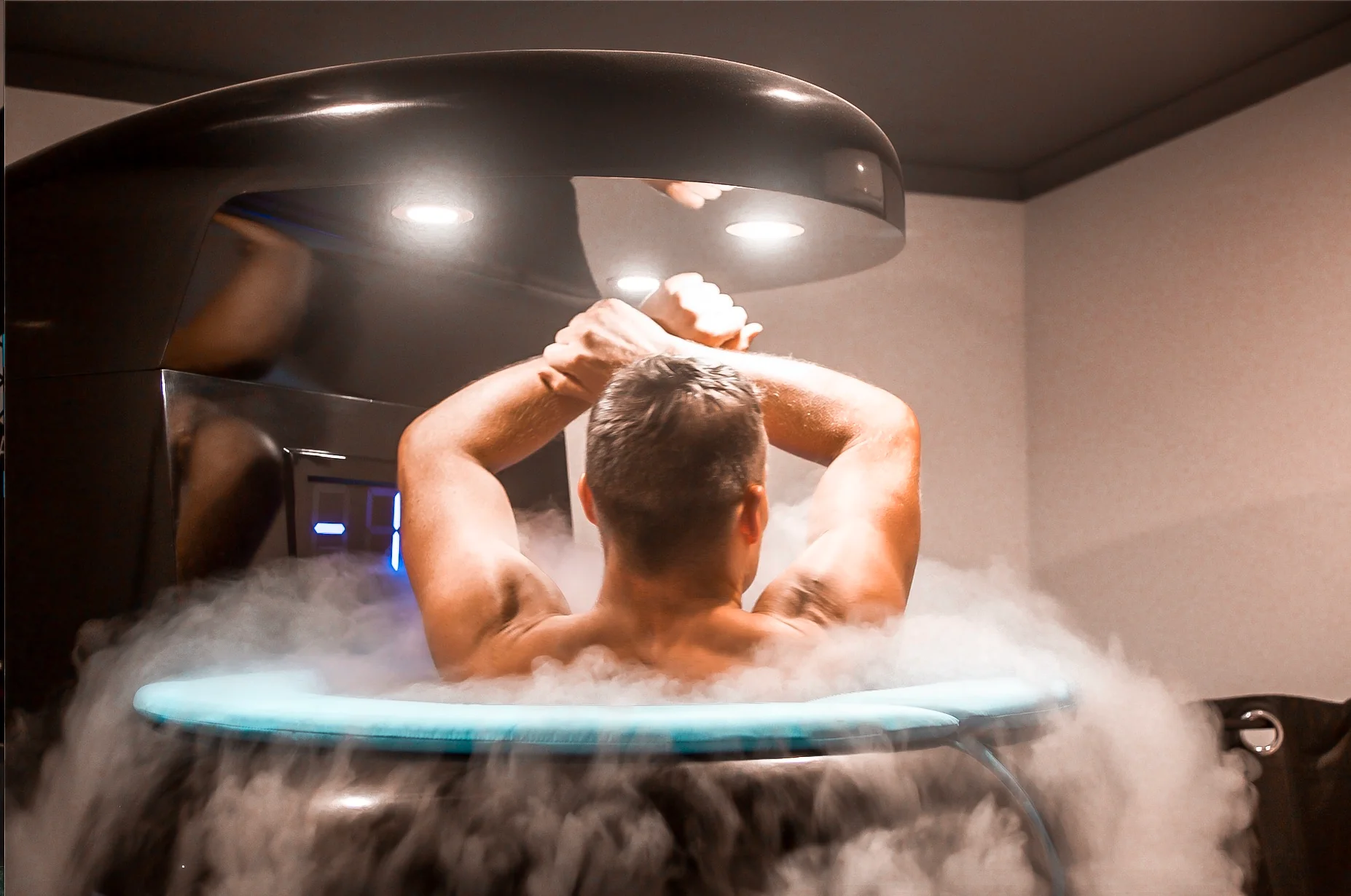
- Whole-body cryotherapy (WBC)
- Localized cryotherapy
- Ice baths and cold water immersion
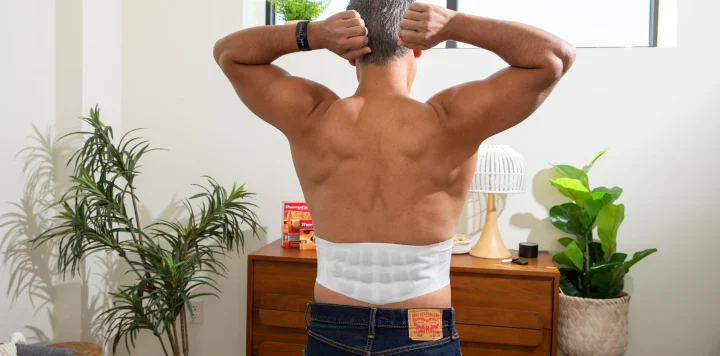
- Cold packs and cooling devices
Cryotherapy sessions are short — typically 2–4 minutes — but the cold is intense, often below −100°C (−148°F) in whole-body chambers.
History and Development
Cryotherapy began in the 1970s in Japan, where physicians used cold to treat rheumatoid arthritis. Over decades, athletes, trainers, and wellness centers adopted the practice:
- 1979: Cryotherapy first used for arthritis in Japan
- 1990s: Localized cryotherapy enters sports medicine
- 2000s: Whole-body cryotherapy becomes popular among athletes
- Present: Cryotherapy used globally for recovery, pain management, and wellness
Its rise in popularity is linked to high-profile athletes and sports teams using cryotherapy as part of recovery protocols.
How Cryotherapy Works (The Science Explained)
To understand the effects of cryotherapy, we need to look at how the body responds to cold.
1. Vasoconstriction and Vasodilation
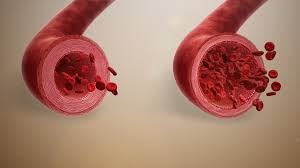
Cold causes blood vessels to tighten (vasoconstriction). This slows blood flow to muscles, which may:
- Reduce swelling
- Decrease inflammation
- Limit secondary tissue damage
After the cold phase, vessels widen again (vasodilation), increasing fresh circulation and oxygen delivery.
2. Reduced Metabolic Activity
Cold slows cellular metabolism. This helps injured tissues repair by reducing:
- Cellular activity
- Inflammatory signals
- Tissue breakdown
3. Pain Reduction and Nervous System Effects
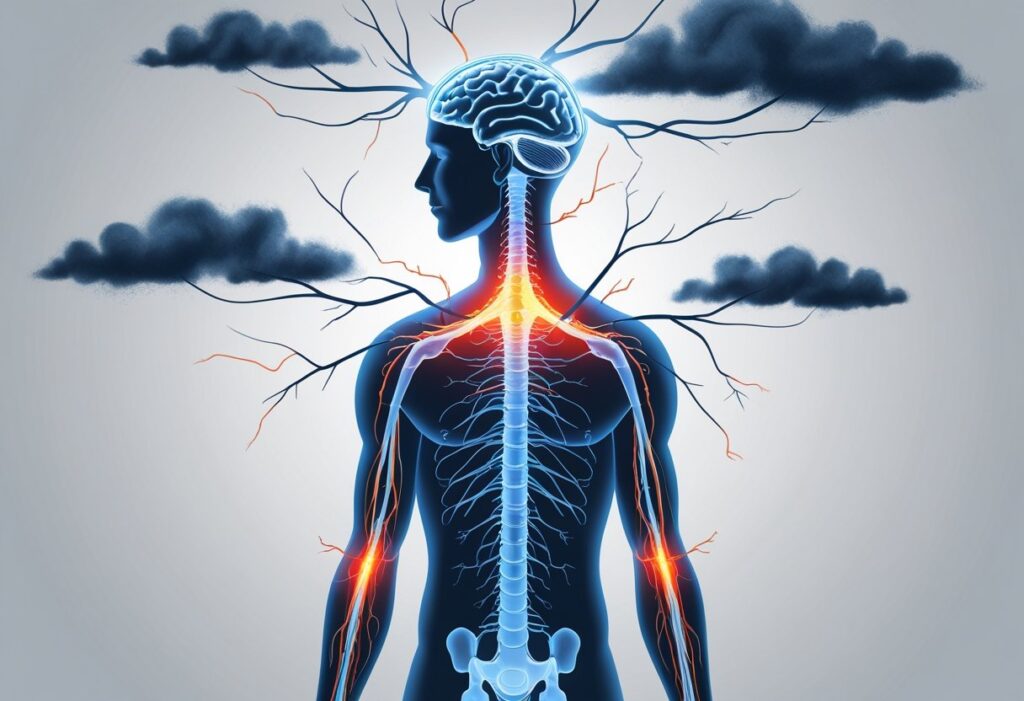
Cold lowers nerve activity, temporarily reducing pain signals to the brain. Many people report:
- Less muscle soreness
- Higher pain tolerance
- Relaxation after treatment
Types of Cryotherapy for Muscle Recovery
1. Whole-Body Cryotherapy (WBC)https://www.physio-pedia.com/Whole_Body_Cryotherapy
In WBC, a person stands in a chamber with temperatures between −110°C and −160°C (−166°F to −256°F). Air circulates, and sessions last 2–4 minutes.
Pros:
- Stimulates systemic recovery
- Quick sessions
- Reported energy boost
Cons:
- Costly
- Requires specialized clinic
2. Localized Cryotherapy
Targets specific muscle groups using handheld devices or cold jets. Ideal for treating one area at a time.
Pros:
- Less expensive
- Can treat injuries selectively
Cons:
- Not systemic
- Requires trained operator
3. Ice Baths (Cold Water Immersion)
Traditional method where the body is submerged in cold water (10–15°C / 50–59°F) for 10–15 minutes.
Pros:
- Widely available
- Affordable
Cons:
- Can be uncomfortable
- Slower cooling than WBC
4. Cryotherapy Compression Devices
These combine cold and compression to help reduce inflammation in targeted areas.
How Fitness Podcasts Build Member Trust
Benefits of Cryotherapy for Muscle Recovery
Many athletes and trainers use cryotherapy for the following reasons:
1. Reduced Inflammation
Inflammation is the body’s natural response to muscle stress and micro-tears. Cryotherapy helps limit inflammation, leading to:
- Faster recovery
- Reduced swelling
2. Less Muscle Soreness

Cryotherapy may reduce delayed onset muscle soreness (DOMS), helping athletes feel better after intense workouts.
3. Pain Relief
Cold exposure slows nerve signals, causing temporary pain relief.
4. Faster Healing
By improving circulation after cold exposure, nutrients reach muscles faster, potentially speeding healing.
5. Mental Recovery and Mood Boost
Some people report psychological benefits such as reduced stress, better sleep, and increased energy.
Scientific Evidence: What the Research Shows
There is a growing body of research on cryotherapy. However, results are mixed and sometimes conflicting.
Positive Findings
Many studies suggest benefits, including:
- Reduced muscle soreness after exercise
- Lower inflammation markers
- Improved short-term recovery
Limitations
Some research suggests:
- Effects may be temporary
- Placebo still plays a role
- Benefits vary between individuals
Consensus
Cryotherapy appears helpful for short-term pain and soreness relief, but long-term benefits are still under review.
Cryotherapy vs. Ice Baths: Which Is Better?
| Feature | Whole-Body Cryotherapy | Ice Baths |
|---|---|---|
| Temperature | Much colder (−110°C to −160°C) | Cold water (10–15°C) |
| Session Time | 2–4 minutes | 10–15 minutes |
| Cost | Higher | Lower |
| Comfort | Varies | Can be uncomfortable |
| Research Support | Emerging | More established |
Bottom Line: Ice baths are more accessible and more studied. WBC might offer faster cooling and perceived benefits, but evidence is still developing.
Who Can Benefit Most?
Cryotherapy may help:
- Athletes (endurance, strength, team sports)
- People with chronic pain
- Individuals with inflammation-related issues
- Coaches and trainers seeking recovery tools
Risks and Safety Considerations
Cryotherapy is generally considered safe when administered by trained professionals. However:
Potential Risks
- Frostbite if improperly applied
- Skin irritation
- Light-headedness
- Rare cold sensitivity reactions
Not Recommended For
- Pregnant women
- Individuals with cold allergies
- People with cardiovascular issues
- Severe hypertension
Always consult a medical professional before starting cryotherapy.
Tips for Safe and Effective Use
✔ Start with shorter exposure time
Avoid direct skin contact with cold sources
✔ Use cryotherapy as part of a balanced recovery plan
✔Hydrate well before and after treatment
Common Myths vs. Facts
Myth: Cryotherapy permanently heals muscle injuries.
Fact: Cryotherapy helps recovery but is not a cure.
Myth: More cold equals better results.
Fact: Too much cold can be harmful — moderation matters.
Case Studies and Real-World Uses
Elite Athletes: Many Olympic teams use cryotherapy during training camps.
Fitness Enthusiasts: Regular users report feeling less sore after workouts.
Physical Therapists: Some clinics include cryotherapy for injury management.
Frequently Asked Questions (FAQs)
1. Is cryotherapy painful?
Cryotherapy is cold but typically not painful. Many users describe it as an intense, short-lived chill followed by warmth.
2. How soon after exercise should I do cryotherapy?
Most experts recommend 1–2 hours post-exercise for best results.
3. How many sessions do I need?
Benefits can be felt after one session, but consistent use may yield better results.
4. Does insurance cover cryotherapy?
Most insurance plans do not cover cryotherapy, especially for wellness purposes.
5. Can cryotherapy help weight loss?
While some claim increased metabolism, cryotherapy is not a proven weight-loss method.
Conclusion
Cryotherapy for muscle recovery is a promising approach with real benefits for many users, especially athletes and people seeking faster relief from soreness and inflammation. While scientific evidence continues to grow, cryotherapy remains a valuable tool when used safely and as part of a broader recovery strategy.
Whether you choose whole-body cryotherapy, ice baths, or localized treatment, understanding how cold therapy works and its limitations will help you make informed decision
About the Author