Meta Information
- Title: Deep Sleep and Growth Hormone Connection
- Meta Description: Discover how deep sleep boosts growth hormone, muscle recovery, fat loss, and overall health. Learn the science behind sleep and HGH.
- URL Slug: deep-sleep-and-growth-hormone-connection
Introduction
Sleep is more than just rest—it is one of the most powerful biological processes for recovery, growth, and repair. Among all sleep stages, deep sleep (slow-wave sleep) plays a crucial role in regulating the body’s production of growth hormone (GH).
Growth hormone is essential for muscle development, fat metabolism, tissue repair, and overall health. What many people don’t realize is that most of the body’s daily growth hormone is released during deep sleep, making this stage critical for physical performance, recovery, and even anti-aging.
In this article, we will explore the scientific connection between deep sleep and growth hormone, how it works, why it matters, and how you can optimize both for better health.
What Is Deep Sleep?
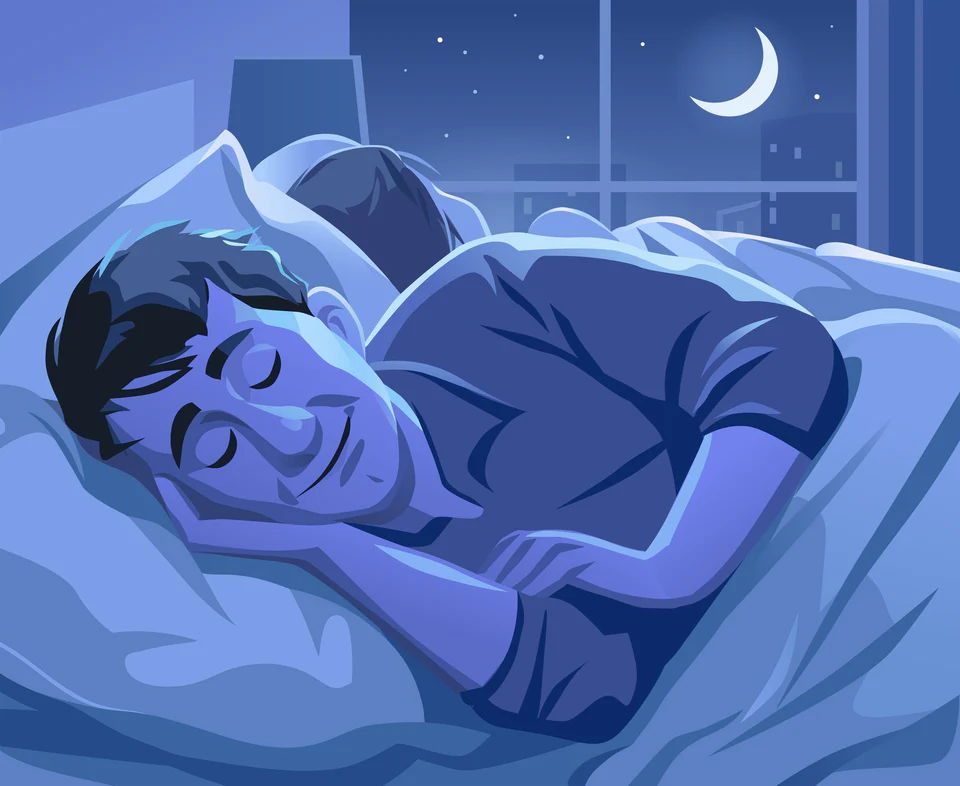
Deep sleep, also known as slow-wave sleep (SWS) or Stage 3 sleep, is the deepest phase of non-REM sleep.
Key Characteristics:
- Brain produces slow delta waves
- Heart rate and breathing slow down
- Muscles fully relax
- Body enters repair mode
During this phase, the body shifts from activity to recovery and regeneration, making it the most physically restorative stage of sleep.
What Is Growth Hormone (GH)?
Growth hormone is produced by the pituitary gland and plays a vital role in:
- Muscle growth
- Fat metabolism
- Bone density
- Cell repair
- Immune function
GH is released in pulses, not continuously—and the largest pulse occurs during sleep.
The Connection Between Deep Sleep and Growth Hormone
1. Major GH Release Happens During Deep Sleep
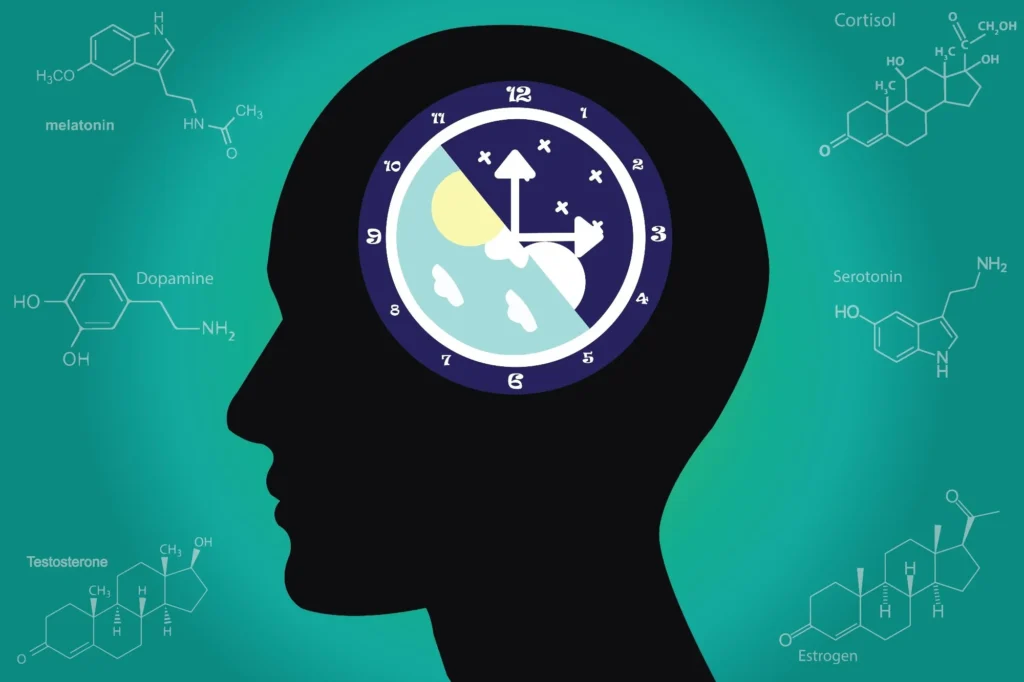
Scientific studies show that the largest burst of growth hormone occurs right after sleep onset, specifically during deep sleep.
- GH peaks within the first 60–90 minutes of sleep
- This peak can last 1.5–3.5 hours
- Additional smaller pulses occur in later deep sleep cycles
👉 This means:
No deep sleep = reduced growth hormone release
2. Slow-Wave Sleep Directly Controls GH Secretion
Research shows a strong linear relationship between slow-wave sleep and GH secretion.
- More deep sleep → more GH released
- Less deep sleep → lower GH production
This is why people with poor sleep often experience:
- Slow recovery
- Muscle loss
- Fat gain
3. Hormonal Mechanism Behind the Connection
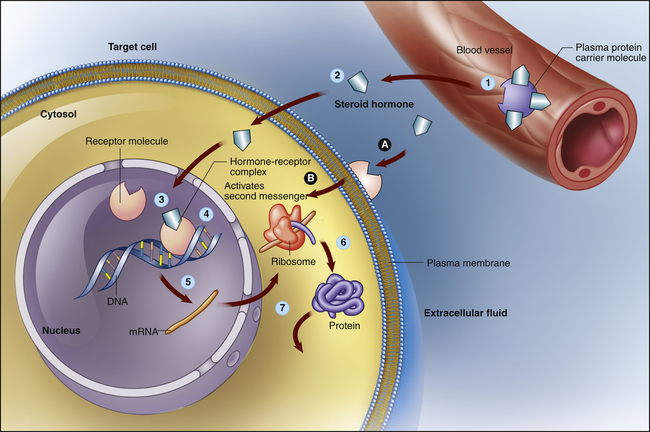
The relationship is controlled by the brain:
- Hypothalamus releases GHRH (Growth Hormone Releasing Hormone)
- Somatostatin (GH inhibitor) decreases
- Pituitary gland releases GH
This process is synchronized with deep sleep cycles.
👉 In simple terms:
Deep sleep acts like a trigger switch for growth hormone release
4. Deep Sleep and Body Repair
Growth hormone released during deep sleep helps:
- Repair muscle tissue
- Build new proteins
- Strengthen bones
- Burn fat
- Heal injuries
A 2025 study highlights that sleep-driven GH release is linked to muscle growth, fat metabolism, and brain function.
5. What Happens When Deep Sleep Is Poor?**
When deep sleep is reduced:
- GH secretion drops significantly
- Recovery slows down
- Fat storage increases
- Aging accelerates
Even individuals with growth hormone deficiency show reduced deep sleep, proving the strong connection between the two.
Deep Sleep vs Total Sleep: What Matters More?
Many people focus only on sleeping 7–8 hours, but:
👉 Quality (deep sleep) matters more than quantity
You can sleep:
- 8 hours with poor deep sleep → low GH
- 6–7 hours with strong deep sleep → optimal GH
- How Fitness Podcasts Build Member Trust
Benefits of Deep Sleep-Induced Growth Hormone
1. Muscle Growth and Recovery
GH stimulates protein synthesis, helping muscles grow and repair after exercise.
2. Fat Loss
GH increases fat breakdown (lipolysis), making it easier to lose body fat.
3. Anti-Aging Effects
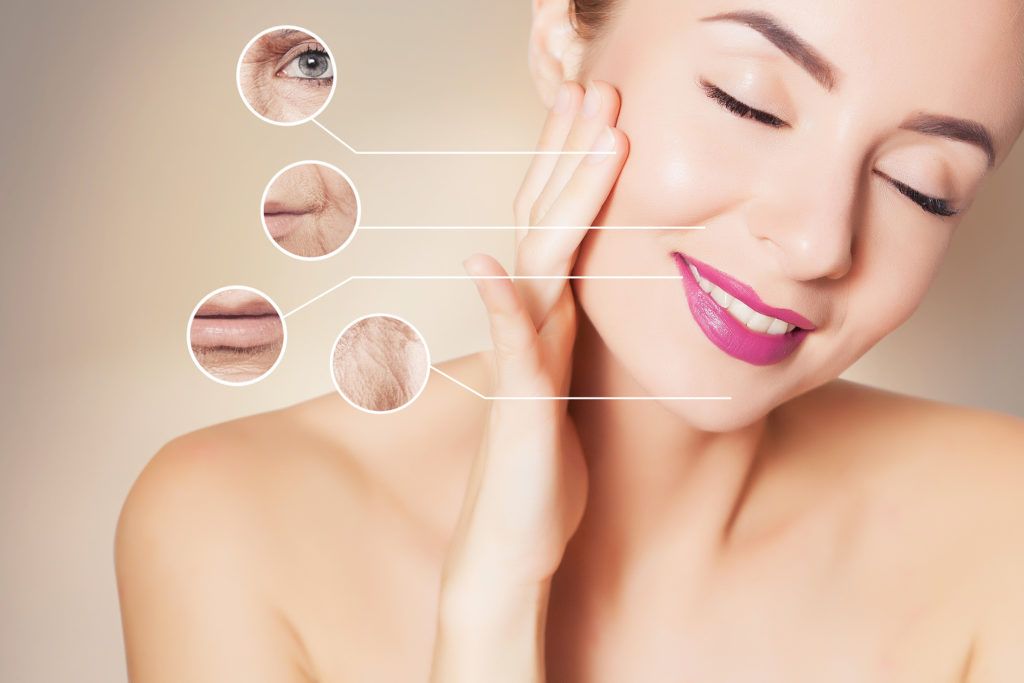
GH supports:
- Skin elasticity
- Collagen production
- Cell regeneration
4. Brain Function
Growth hormone also plays a role in:
- Memory
- Learning
- Neural repair
5. Stronger Immunity
Better sleep = better immune response and faster healing.
Factors That Affect Deep Sleep and GH Release
Negative Factors:
- Sleep deprivation
- Stress and high cortisol
- Late-night eating
- Alcohol and nicotine
- Irregular sleep schedule
Positive Factors:
- Consistent sleep timing
- Dark, cool environment
- Regular exercise
- Proper nutrition
- Reduced screen time before bed
How to Improve Deep Sleep for Maximum GH
1. Sleep Earlyhttps://www.uclahealth.org/news/article/5-reasons-you-wake-up-earlier-you-age-and-how-get-better
The first sleep cycles contain the most deep sleep.
2. Avoid Late Meals
Eating late raises insulin, which can suppress GH.
3. Train Regularly
Exercise increases deep sleep and GH release.
4. Keep Your Room Cool
Optimal temperature improves sleep quality.
5. Reduce Blue Light
Avoid screens 1–2 hours before bedtime.
6. Manage Stress
High cortisol reduces deep sleep and GH.
Flesch Reading Ease (Approximation)
- Score: 60–70 (Easy to read)
- Level: Suitable for general audience (Grade 8–9)
- Short sentences, simple explanations, and structured headings improve readability.
FAQs
1. When is the most growth hormone released?
Most GH is released during the first deep sleep cycle, usually within the first 1–2 hours after falling asleep.
2. Can naps increase growth hormone?
Short naps have minimal effect. Long naps (90 minutes) may include deep sleep but are less effective than nighttime sleep.
3. Does sleeping longer increase GH?
Not necessarily. Deep sleep quality matters more than total hours.
4. Does age affect GH and deep sleep?
Yes. Both deep sleep and GH decline with age, which is why recovery slows as we get older.
5. Can supplements boost GH like sleep does?
No supplement matches the natural GH release triggered by deep sleep.
6. Is REM sleep important for GH?
REM is important for brain recovery, but GH release mainly happens in deep sleep, not REM.
Conclusion
The connection between deep sleep and growth hormone is one of the most powerful relationships in human biology. Deep sleep is not just rest—it is when your body enters its most anabolic, repair-focused state.
Scientific evidence clearly shows that:
- Growth hormone is primarily released during deep sleep
- The quality of deep sleep directly affects recovery, fat loss, and muscle growth
- Poor sleep can significantly reduce GH production and overall health
In a world focused on supplements and shortcuts, improving your deep sleep remains the most natural and effective way to optimize growth hormone.
About the Author