Meta Information
- Meta Title: Does Ice Bath Improve Muscle Growth? Science, Benefits, and Risks
- Meta Description: Discover whether ice baths help or hinder muscle growth. Learn the science behind cold water immersion, recovery benefits, and when athletes should use ice baths.
- Focus Keyword: Ice bath and muscle growth
- URL Slug: does-ice-bath-improve-muscle-growth
Introduction
Ice baths, also known as cold water immersion (CWI), have become extremely popular among athletes, bodybuilders, and fitness enthusiasts. Many professional sports teams use ice baths after training sessions to speed up recovery and reduce muscle soreness. Social media influencers and wellness experts also promote cold exposure as a powerful tool for improving performance and overall health.
But an important question remains: Do ice baths actually improve muscle growth?
Muscle growth (also called hypertrophy) happens when resistance training creates small tears in muscle fibers. The body repairs these fibers through protein synthesis, making them thicker and stronger. However, this process involves inflammation and metabolic stress, which are essential signals for muscle adaptation.
Ice baths reduce inflammation and numb soreness, which might sound beneficial. Yet recent research suggests that cooling muscles immediately after strength training may actually reduce muscle-building signals and potentially slow long-term hypertrophy.
In this article, we will explore the science behind ice baths and muscle growth, including:
- How muscle growth works
- How ice baths affect the body
- Research findings on cold water immersion
- Benefits and drawbacks of ice baths
- When athletes should (and should not) use them
By the end, you will understand whether ice baths are helpful or harmful for building muscle.
What Is an Ice Bath?
An ice bath involves immersing the body in very cold water, typically between 10–15°C (50–59°F) for about 5–15 minutes. Athletes often take an ice bath immediately after intense training or competition.
The main goals of ice baths are:
- Reduce muscle soreness
- Decrease inflammation
- Improve recovery between workouts
- Enhance mental resilience
Cold water causes vasoconstriction, meaning blood vessels tighten and blood flow decreases temporarily. This process reduces swelling and inflammation in muscles.
While this can help athletes recover faster between events, its effect on muscle growth is more complicated.
Understanding Muscle Growth (Hypertrophy)
To understand the impact of ice baths, we must first understand how muscles grow.
Muscle growth occurs through a process known as muscle protein synthesis (MPS). This process is triggered by several factors during resistance training.
1. Mechanical Tension
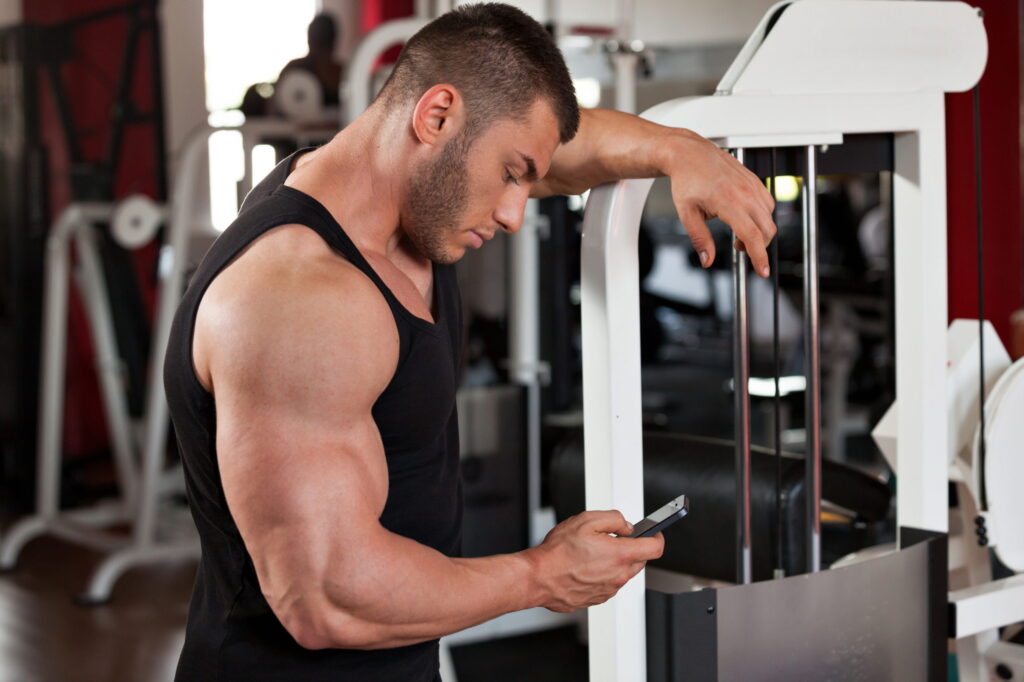
When lifting weights, muscles experience tension that activates growth pathways.
2. Muscle Damage
Small microtears occur in muscle fibers during training.
3. Metabolic Stress
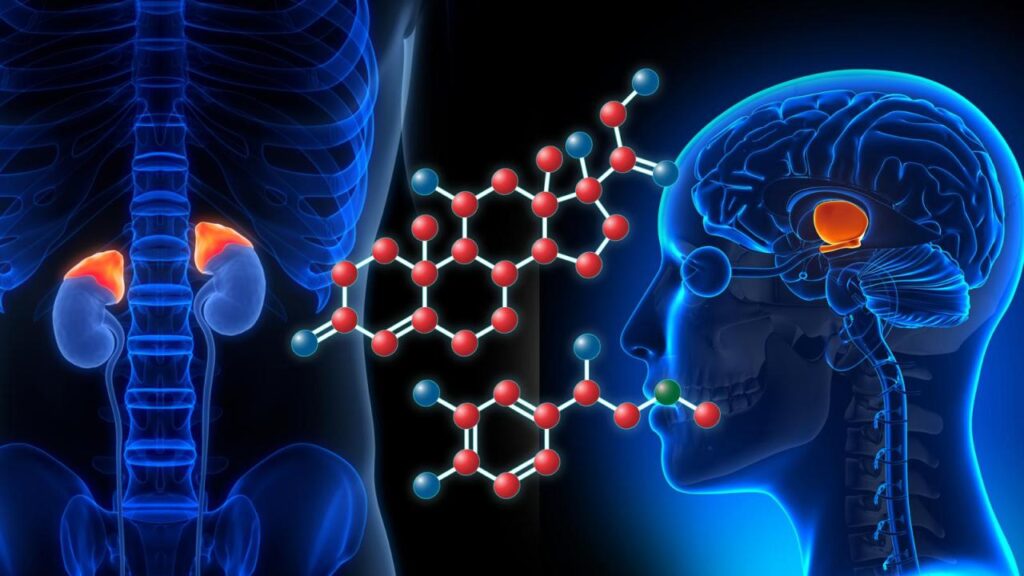
The accumulation of metabolites (such as lactate) signals the body to adapt.
These processes activate important growth pathways like mTOR signaling, which stimulates protein synthesis and muscle repair.
Inflammation and blood flow are also part of this process. When muscles are damaged, the body sends nutrients, hormones, and immune cells to repair the tissue.
However, ice baths may interfere with these signals.
How Ice Baths Affect the Body
Cold water immersion produces several physiological effects:
1. Reduced Inflammation
Cold exposure slows inflammatory responses.
2. Decreased Blood Flow
Blood vessels constrict, reducing circulation.
3. Reduced Pain Sensationhttps://en.wikipedia.org/wiki/Hypoalgesia
Cold temperatures numb nerve endings.
4. Lower Muscle Temperature
Muscle metabolism temporarily slows down.
These effects are excellent for short-term recovery, but they may suppress the signals required for muscle growth.
What Science Says About Ice Baths and Muscle Growth
Scientific research increasingly shows that ice baths may reduce muscle growth when used immediately after strength training.
Several studies comparing resistance training alone versus resistance training plus cold water immersion found smaller gains in muscle mass among those using ice baths regularly.
Researchers discovered that cold water immersion can:
- Reduce muscle protein synthesis
- Decrease activation of growth pathways like mTOR
- Lower satellite cell activity responsible for muscle repair
These mechanisms are critical for hypertrophy.
One long-term study found that athletes who used cold water immersion after workouts experienced reduced muscle mass gains compared with those who used active recovery.
How Fitness Podcasts Build Member Trust
In other words, ice baths do not completely stop muscle growth, but they may reduce how much muscle you build over time.
Why Ice Baths May Reduce Muscle Growth
1. Reduced Protein Synthesis
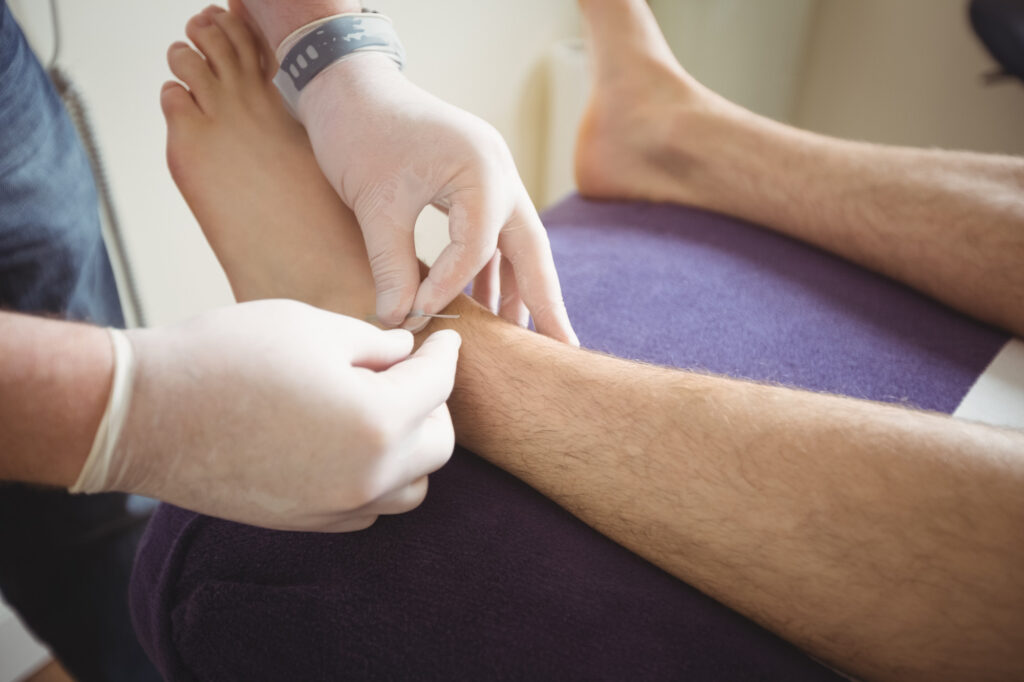
Cold exposure can suppress anabolic signaling pathways responsible for building muscle. Studies show decreased activation of the mTOR pathway, which regulates muscle protein synthesis.
Without strong activation of these pathways, muscle growth slows.
2. Lower Satellite Cell Activity
Satellite cells act like stem cells that help repair and enlarge muscle fibers.
Cold water immersion can reduce their activity, limiting muscle repair and adaptation.
3. Reduced Inflammatory Signals
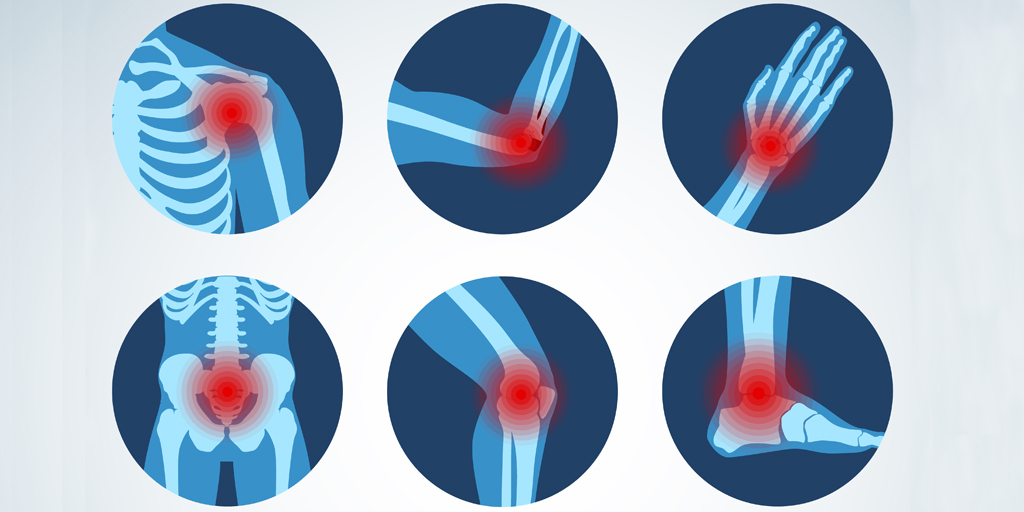
Inflammation after training is not always bad. It signals the body to rebuild muscle tissue.
Ice baths reduce this inflammation, which may interrupt the natural adaptation process.
4. Decreased Blood Flow
Cold temperatures restrict blood vessels, reducing the delivery of oxygen, amino acids, and nutrients needed for recovery and muscle repair.
Benefits of Ice Baths for Athletes
Despite their potential downsides for hypertrophy, ice baths still provide several benefits.
1. Reduced Muscle Soreness
Ice baths can reduce Delayed Onset Muscle Soreness (DOMS) and help athletes feel better faster after intense training.
2. Faster Recovery Between Events
For athletes competing frequently, ice baths may allow them to recover quickly between matches or training sessions.
3. Reduced Swelling and Inflammation
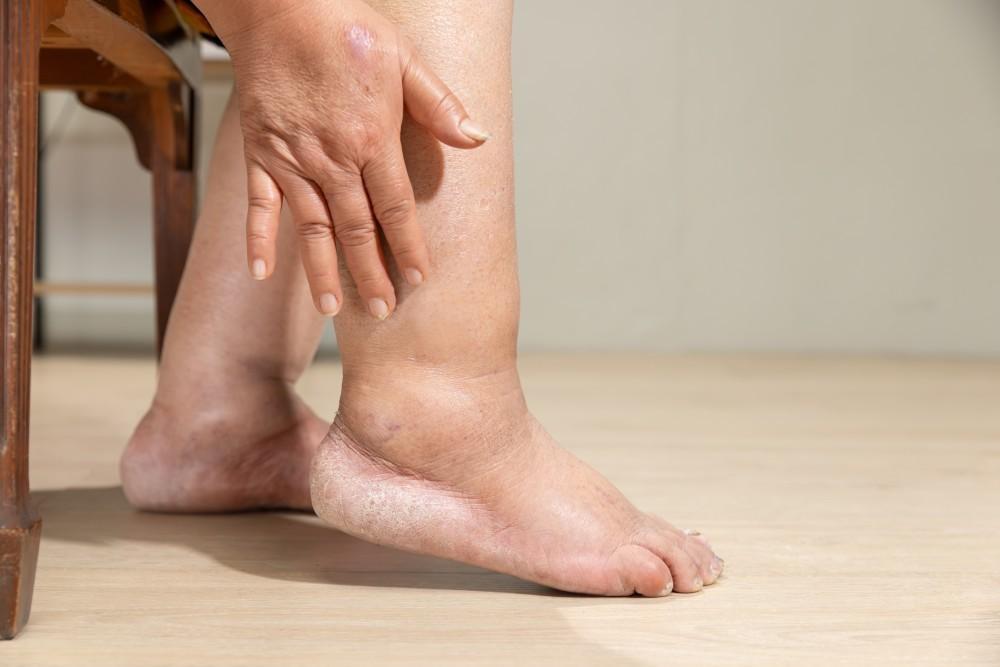
Cold therapy is effective for treating acute injuries and inflammation.
4. Mental Resilience
Cold exposure can increase mental toughness and stress tolerance.
5. Improved Mood
Cold immersion can stimulate the release of endorphins and dopamine, temporarily boosting mood and alertness.
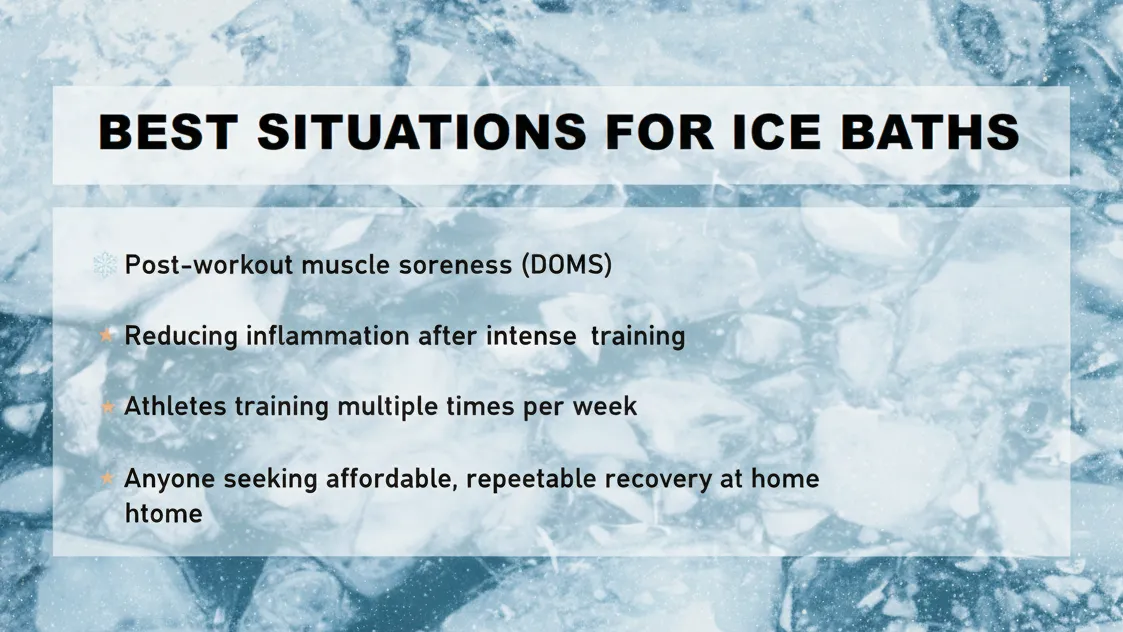
When Ice Baths May Be Helpful
Ice baths can be useful in certain situations:
1. During Competitive Seasons
Athletes who need quick recovery between games may benefit from cold therapy.
2. After Endurance Exercise
Cold immersion is often helpful after long-distance running or endurance events.
3. Injury Recovery
Ice therapy is commonly used to reduce swelling in injured muscles.
4. High Training Volume
Athletes training multiple times per day may use ice baths to reduce fatigue.
When Ice Baths May Hurt Muscle Growth
Ice baths may be harmful when:
- Used immediately after resistance training
- daily during hypertrophy-focused training
- Used right after heavy weightlifting sessions
If muscle growth is your primary goal, avoiding immediate post-workout ice baths is recommended.
Best Timing for Ice Baths
Timing can reduce the negative effects of cold exposure.
1. Wait Several Hours After Training
Allow muscle-building signals to occur first.
2. Use Ice Baths on Rest Days
This prevents interference with training adaptations.
3. Use Cold Exposure Before Training
Cold showers or brief exposure before workouts may boost alertness without harming hypertrophy.
Ice Bath vs Other Recovery Methods
Active Recovery
Light exercise improves circulation and recovery without suppressing muscle growth.
Compression Therapy
Compression garments can help reduce soreness.
Massage
Massage improves circulation and relaxation.
Sleep and Nutrition
Proper sleep and protein intake are far more important for muscle growth than ice baths.
How to Use Ice Baths Safely
If you decide to use ice baths, follow these guidelines:
- Temperature: 10–15°C (50–59°F)
- Duration: 5–10 minutes
- Frequency: 2–3 times per week
- Avoid immediately after hypertrophy workouts
Always listen to your body and stop if you feel dizziness or numbness.
Practical Advice for Bodybuilders
If your goal is maximum muscle growth, consider these strategies:
- Avoid ice baths immediately after lifting weights.
- Prioritize protein intake and sleep.
- Use active recovery instead of cold therapy.
- Consider cold exposure only during deload weeks or rest days.
FAQs
Do ice baths increase muscle growth?
No. Research suggests that ice baths may reduce muscle growth when used immediately after resistance training, because they suppress muscle-building signals.
Are ice baths bad for muscle gain?
They are not completely bad, but frequent use after strength training may reduce hypertrophy over time.
Can ice baths help muscle recovery?
Yes. Ice baths can reduce soreness and inflammation, helping athletes recover faster.
When should I take an ice bath after a workout?
If your goal is muscle growth, wait several hours or use ice baths on rest days.
Do professional athletes use ice baths?
Yes. Many athletes use them during competitions to recover quickly between events.
Conclusion
Ice baths are widely used in sports recovery, but their relationship with muscle growth is complex. While cold water immersion can reduce soreness and improve short-term recovery, scientific evidence suggests it may slow muscle growth when used immediately after strength training.
Muscle hypertrophy relies on inflammation, blood flow, and anabolic signaling—processes that ice baths can suppress. For this reason, athletes whose main goal is building muscle mass should avoid ice baths right after lifting weights.
However, ice baths still have a place in athletic recovery, especially for endurance athletes, injury management, and competition recovery.
The key is using ice baths strategically. When timed correctly and used occasionally, they can support recovery without significantly interfering with muscle development.
In the end, the best approach is balance: prioritize training, nutrition, sleep, and proper recovery methods while using cold therapy only when it aligns with your fitness goals.
About the Author