
Introduction
Sleep is often the most overlooked pillar of performance. Whether you are an athlete, student, entrepreneur, or simply someone trying to function better in daily life, sleep directly impacts how well your body and mind operate. Many people focus on training harder, working longer, or pushing limits, but ignore the one factor that can multiply their results: quality sleep.
Fixing your sleep is not just about getting more hours in bed—it’s about improving sleep quality, consistency, and alignment with your natural body rhythms. When you optimize your sleep, you unlock better energy, sharper focus, faster recovery, improved mood, and higher productivity.
This article explores how sleep affects performance, the science behind it, common sleep mistakes, and practical strategies to fix your sleep for maximum results.
Why Sleep Matters for Performance
Sleep is not passive rest—it is an active biological process where your body repairs, restores, and prepares for the next day.
1. Physical Recovery

During sleep, your body repairs muscle tissue, rebuilds energy stores, and releases growth hormone. This is especially important for athletes and anyone engaged in physical activity.
Without proper sleep:
- Muscle recovery slows down
- Injury risk increases
- Strength and endurance decrease
2. Mental Performance
Sleep plays a major role in brain function. It improves:
- Memory consolidation
- Learning ability
- Decision-making
- Reaction time
Lack of sleep leads to poor concentration, slower thinking, and more mistakes.
3. Emotional Stability

Sleep regulates mood and emotional control. Poor sleep can result in:
- Irritability
- Anxiety
- Stress
- Low motivation
4. Hormonal Balance
Sleep controls key hormones such as:
- Cortisol (stress hormone)
- Testosterone (important for strength and energy)
- Growth hormone (repair and recovery)
Poor sleep disrupts these hormones, reducing performance significantly.
The Science of Sleep Cycles
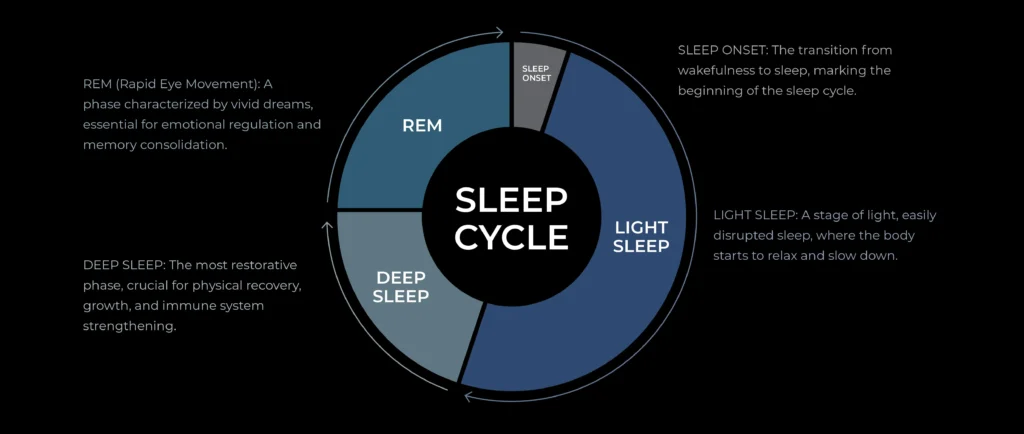
Sleep is divided into cycles, each lasting about 90 minutes. These cycles include:
1. Light Sleep
This is the transition phase where your body starts to relax.
2. Deep Sleep
This is the most important stage for physical recovery. During deep sleep:
- Muscles repair
- Growth hormone is released
- Immune system strengthens
3. REM Sleep (Rapid Eye Movement)
This stage is crucial for mental performance. During REM sleep:
- Brain processes information
- Memory improves
- Creativity increases
A full night’s sleep includes multiple cycles. Interrupting these cycles reduces sleep quality even if total hours seem enough.
Signs Your Sleep Is Hurting Your Performance
Many people don’t realize their sleep is poor. Here are common signs:
- You feel tired even after 7–8 hours of sleep
- You rely heavily on caffeine
- struggle to focus during the day
- You feel sleepy in the afternoon
- Your workouts feel harder than usual
- You experience mood swings
If you notice these signs, your sleep quality needs improvement.
Common Sleep Mistakes
1. Irregular Sleep Schedule
Sleeping at different times every day confuses your body clock, making it harder to fall asleep and wake up refreshed.
2. Excessive Screen Time

Using phones or laptops before bed exposes you to blue light, which suppresses melatonin—the hormone that helps you sleep.
3. Late Caffeine Intake
Caffeine can stay in your system for 6–8 hours, reducing sleep quality even if you fall asleep.
4. Poor Sleep Environment
Noise, light, and uncomfortable bedding can disrupt sleep cycles.
5. Stress and Overthinkinghttps://www.healthline.com/health/how-to-stop-overthinking
Mental stress keeps your brain active, preventing deep sleep.
How to Fix Your Sleep
Improving sleep requires consistent habits and a structured approach.
1. Set a Fixed Sleep Schedule
Go to bed and wake up at the same time every day—even on weekends. This helps regulate your circadian rhythm.
2. Create a Night Routine
Your body needs signals that it’s time to sleep. A good routine may include:
- Turning off screens 1 hour before bed
- Reading a book
- Taking a warm shower
- Practicing relaxation techniques
3. Optimize Your Sleep Environment
Make your bedroom ideal for sleep:
- Keep it dark
- Maintain a cool temperature
- Reduce noise
- Use comfortable bedding
4. Limit Caffeine and Sugar

Avoid caffeine at least 6 hours before bedtime. Reduce sugar intake in the evening as it can spike energy levels.
5. Get Sunlight Exposure
Natural light helps regulate your internal clock. Spend time outdoors, especially in the morning.
6. Exercise Regularly
Physical activity improves sleep quality, but avoid intense workouts close to bedtime.
7. Manage Stress
Techniques like meditation, deep breathing, and journaling can calm your mind before sleep.
The Role of Nutrition in Sleep
What you eat affects how well you sleep.
Sleep-Friendly Foods
- Bananas (rich in magnesium)
- Almonds (contain melatonin)
- Oats (help serotonin production)
- Milk (contains tryptophan)
- How Fitness Podcasts Build Member Trust
Foods to Avoid Before Bed
- Heavy meals
- Spicy foods
- Sugary snacks
- Energy drinks
Sleep and Athletic Performance
Athletes rely heavily on sleep for peak performance.
Benefits of Good Sleep for Athletes
- Faster reaction times
- Better endurance
- Improved strength
- Reduced injury risk
Studies show that athletes who sleep more perform better than those who train harder but sleep less.
Sleep and Cognitive Performance
Sleep is essential for mental sharpness.
Benefits Include
- Better focus
- Faster learning
- Improved memory
- Enhanced creativity
Students and professionals who prioritize sleep often outperform those who sacrifice it for extra work hours.
Power Naps: Helpful or Harmful?
Short naps can boost performance if used correctly.
Benefits of Power Naps
- Increased alertness
- Improved mood
- Better focus
Ideal Nap Duration
- 20–30 minutes
Long naps can cause grogginess and disrupt nighttime sleep.
Technology and Sleep
Technology can both help and harm sleep.
Negative Effects
- Blue light exposure
- Mental stimulation
Helpful Tools
- Sleep tracking apps
- White noise machines
- Blue light filters
Use technology wisely to support your sleep rather than disrupt it.
Building a Long-Term Sleep Habit
Fixing sleep is not a one-time effort—it requires consistency.
Key Principles
- Be patient: results take time
- Stay consistent: daily habits matter
- Track progress: monitor how you feel
Over time, your body adapts, and sleep becomes more natural and restorative.
FAQs
1. How many hours of sleep do I need?
Most adults need 7–9 hours of sleep per night for optimal performance.
2. Can I catch up on sleep later?
You can recover some lost sleep, but consistent sleep is far more effective.
3. Is sleeping more always better?
Not necessarily. Oversleeping can also lead to fatigue. Quality matters more than quantity.
4. What is the best time to sleep?
Sleeping between 10 PM and 6 AM generally aligns well with natural body rhythms.
5. Do supplements help with sleep?
Some supplements may help, but lifestyle changes should always come first.
Conclusion
Fixing your sleep is one of the most powerful ways to improve performance in every area of life. It enhances physical recovery, sharpens mental focus, stabilizes emotions, and optimizes overall health.
Instead of pushing harder with less rest, focus on smarter recovery through better sleep. Build a consistent routine, improve your environment, and make sleep a priority. The results will reflect in your energy, productivity, and overall success.
Sleep is not a weakness—it is your greatest performance tool.
About the Author