
Meta Information
- Title: Heat Therapy for Joint Stiffness: Benefits, Methods, and Safety Tips
- Meta Description: Discover how heat therapy helps relieve joint stiffness, improve mobility, and reduce pain. Learn the best heat therapy methods, safety tips, and when to use heat for joint health.
- Focus Keyword: Heat Therapy for Joint Stiffness
- SEO Keywords: heat therapy for joints, thermotherapy benefits, warm compress for joint stiffness, arthritis heat treatment, heating pad for joint pain
- URL Slug: heat-therapy-for-joint-stiffness
Introduction
Joint stiffness is a common problem that affects millions of people worldwide. It can occur due to aging, arthritis, injuries, long periods of inactivity, or intense physical activity. When joints become stiff, they lose flexibility and movement becomes painful or difficult.
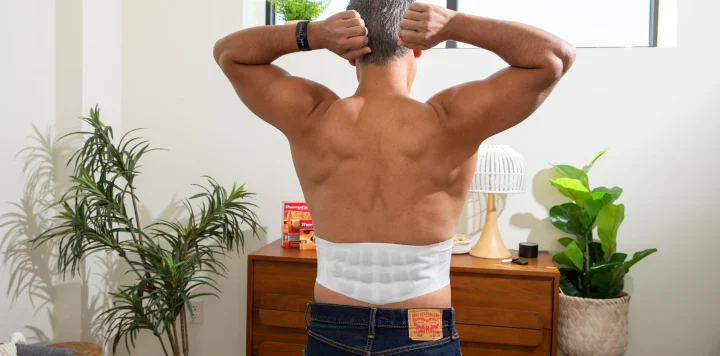
One of the simplest and most effective ways to relieve joint stiffness is heat therapy, also known as thermotherapy. Heat therapy involves applying warmth to the affected joint using tools such as heating pads, warm towels, hot baths, or paraffin wax treatments. The warmth helps relax muscles, improve blood circulation, and ease stiffness.
Unlike medications, heat therapy is a natural, non-invasive, and drug-free treatment that can be used at home. Many healthcare professionals recommend heat therapy for chronic joint conditions such as osteoarthritis, muscle tension, and long-term joint stiffness.
In this article, you will learn how heat therapy works, its benefits, different methods, safety precautions, and how to use it effectively for better joint mobility and comfort.
What Is Heat Therapy?
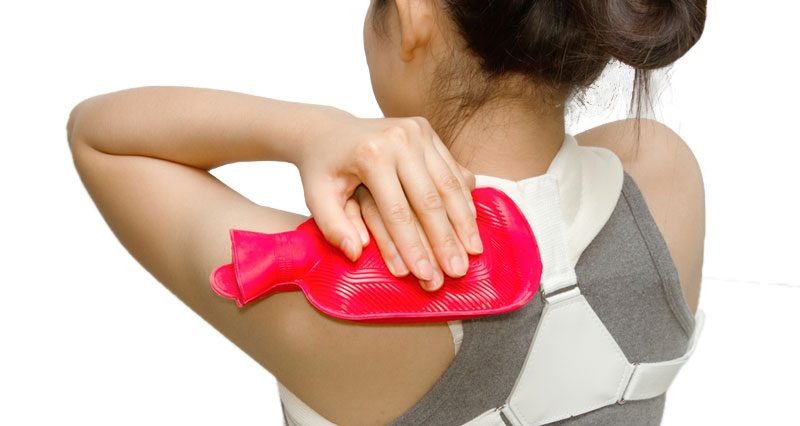
Heat therapy refers to the application of warmth to the body to reduce pain, relax muscles, and improve flexibility. It is commonly used in physiotherapy, rehabilitation, and home treatment for musculoskeletal problems.
Thermotherapy works by increasing the temperature of soft tissues around the joints. This leads to several physiological changes, including improved circulation and relaxation of tight muscles.
Common sources of heat therapy include:
- Heating pads
- Warm water bottles
- Hot showers or baths
- Heated gel packs
- Paraffin wax treatments
- Warm compresses or towels
These methods deliver gentle warmth that penetrates the tissues and helps relieve stiffness and discomfort.
Heat therapy is particularly useful for chronic pain conditions, including arthritis, muscle tension, and stiffness after long periods of inactivity.
How Heat Therapy Works for Joint Stiffness
Heat therapy works through several biological mechanisms that improve joint function and reduce discomfort.
1. Improves Blood Circulation
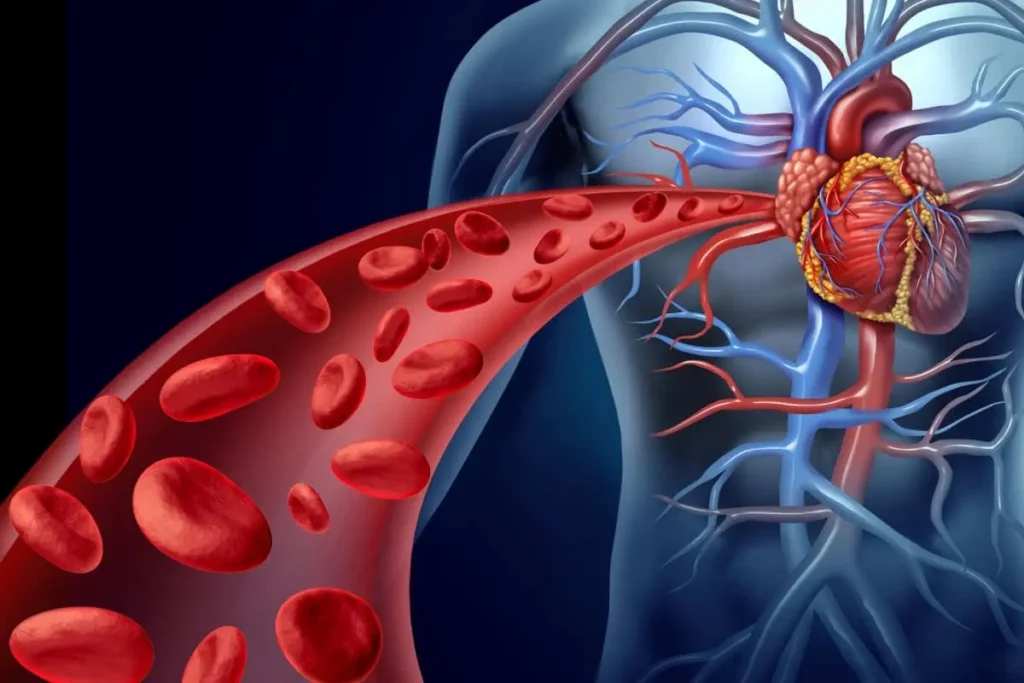
When heat is applied to the skin, blood vessels expand in a process called vasodilation. This increases blood flow to the affected area.
Better circulation brings:
- Oxygen
- Nutrients
- Healing compounds
These elements help repair tissues and reduce joint discomfort.
Improved blood flow also removes metabolic waste products that may contribute to pain and inflammation.
2. Relaxes Muscles Around the Joint
Joint stiffness often occurs because surrounding muscles become tight or tense.
Heat relaxes these muscles and reduces muscle spasms. As the muscles loosen, pressure on the joint decreases, making movement easier and less painful.
Relaxed muscles also improve posture and joint alignment.
3. Increases Flexibility and Range of Motion
Warm temperatures increase the elasticity of connective tissues such as ligaments and tendons.
As these tissues become more flexible, joints can move more freely without resistance or pain.
For this reason, many physical therapists recommend applying heat before stretching or exercise to improve mobility.
4. Stimulates Synovial Fluid Production
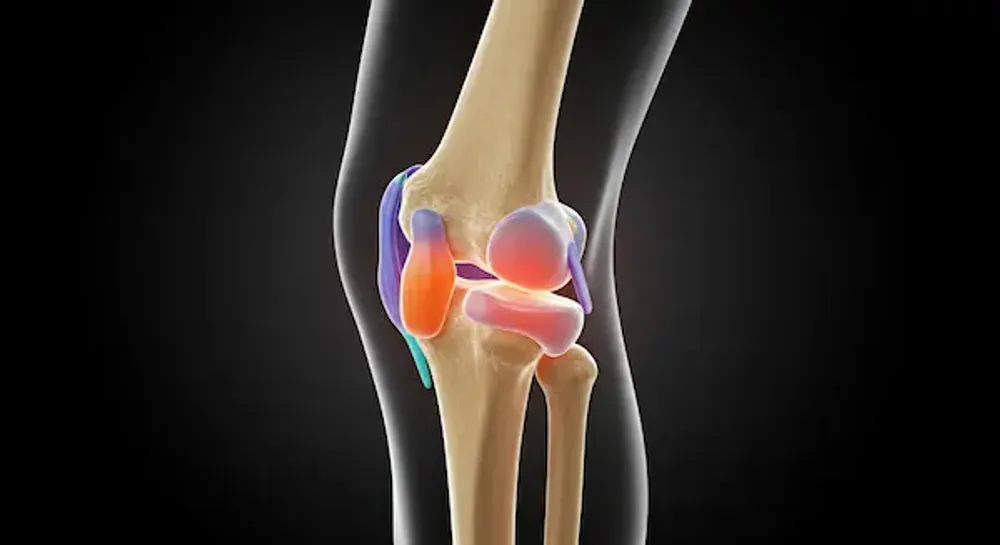
Joints contain a lubricating fluid called synovial fluid. This fluid reduces friction between bones and allows smooth movement.
Heat therapy may stimulate the production and circulation of this fluid, helping joints move more smoothly and reducing stiffness.
This is especially helpful for people with osteoarthritis.
5. Reduces Pain Signals
Heat activates sensory receptors in the skin that send signals to the brain. These signals can reduce the perception of pain by interfering with pain signals from the joint.
This natural pain-blocking mechanism provides a comforting and relaxing effect.
Benefits of Heat Therapy for Joint Stiffness
Heat therapy provides several physical and therapeutic benefits.
1. Reduces Joint Stiffness
The most immediate benefit is the reduction of stiffness. Heat loosens tight tissues and makes joints easier to move.
Many people experience stiffness in the morning or after sitting for long periods. A warm compress or shower can help loosen the joints quickly.
2. Relieves Chronic Pain
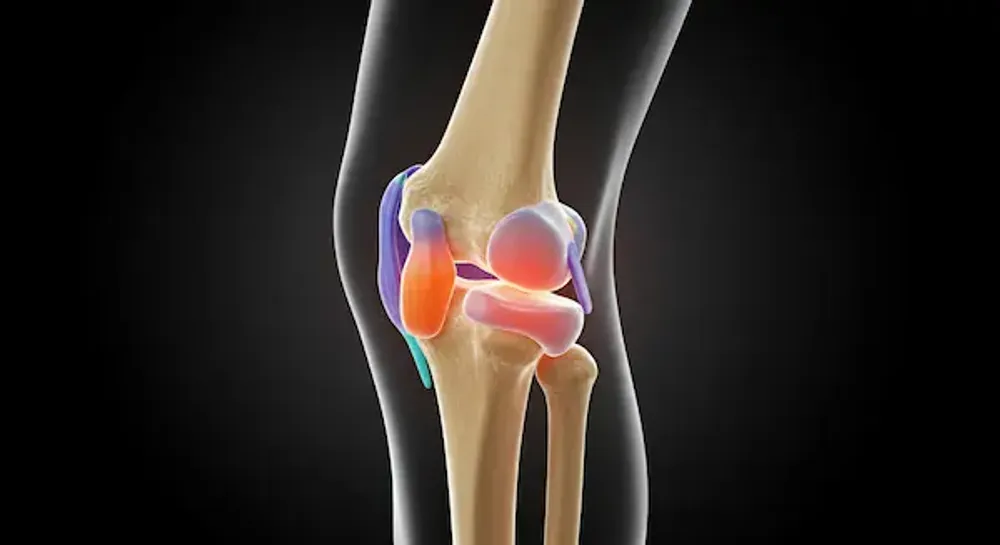
Heat therapy is particularly effective for long-term conditions such as:
- Osteoarthritis
- Rheumatoid arthritis
- Chronic back pain
- Muscle tension
Warmth provides soothing relief and can reduce the need for pain medications.
3. Improves Mobility
By increasing flexibility and reducing stiffness, heat therapy helps improve mobility.
People who regularly use heat therapy often find it easier to:
- Walk
- Bend
- Stretch
- Perform daily tasks
4. Promotes Relaxation
Heat therapy also has psychological benefits. The warmth promotes relaxation and reduces stress.
Relaxed muscles and a calm mind can significantly reduce the perception of pain.
5. Enhances Physical Therapy
Applying heat before physical therapy or exercise helps prepare the joints and muscles for movement.
This can improve the effectiveness of rehabilitation exercises.
Types of Heat Therapy
There are several ways to apply heat therapy at home.
https://www.physioshop.pk/product-category/electrotherapy/electric-heating-pads-online/?srsltid=AfmBOoqUWIw0btBXMdb1Tbx5pkj-Q16AqIqqHW_Sch-nz-pf82A1RCbwHeating Pads
Electric heating pads are one of the most common heat therapy tools.
Advantages:
- Easy to use
- Adjustable temperature
- Suitable for large joints like knees or shoulders
They are ideal for daily use.
Warm Compress
A warm compress can be made using a towel soaked in warm water.
Steps:
- Soak a towel in warm water
- Wring out excess water
- Apply to the joint for 15–20 minutes
This method is simple and effective.
Hot Baths and Showers
Warm water therapy relaxes the entire body and improves circulation.
Many experts recommend 20 minutes in a warm bath to relieve stiffness and improve flexibility.
Warm baths are especially helpful for people with multiple stiff joints.
How Fitness Podcasts Build Member Trust
Paraffin Wax Therapy
Paraffin wax therapy involves dipping the hands or feet into warm melted wax.
It is commonly used for:
- Hand arthritis
- Finger stiffness
- Wrist pain
The wax retains heat and provides deep warmth to small joints.
Heat Wraps
Disposable heat wraps provide continuous heat for several hours.
They are portable and can be worn under clothing, making them convenient for daily activities.
When to Use Heat Therapy
Heat therapy works best in the following situations:
Morning stiffness
Many people with arthritis wake up with stiff joints. Applying heat in the morning can help loosen them.
After long periods of inactivity
Sitting for long hours can cause joints to stiffen. Heat therapy restores mobility.
Before exercise
Applying heat before stretching or workouts prepares the joints for movement.
Chronic joint pain
Heat therapy is ideal for long-term pain conditions rather than acute injuries.
When NOT to Use Heat Therapy
Heat therapy is not suitable for every situation.
Avoid heat therapy if:
- The joint is swollen or inflamed
- The injury is recent (within 48–72 hours)
- The skin is damaged or infected
- There is numbness in the area
In such cases, cold therapy may be more appropriate.
How to Use Heat Therapy Safely
Using heat therapy correctly is important to avoid burns or skin irritation.
Follow the 20-Minute Rule
Apply heat for 15 to 20 minutes at a time. Longer sessions may cause overheating or burns.
Use Moderate Heat
The heat should feel warm and comfortable, not hot.
Always test the temperature before applying it to the joint.
Protect Your Skin
Place a towel between the heat source and your skin to prevent burns.
Stay Hydrated
Warm baths and heat treatments may cause sweating, so drink water before and after therapy.
Do Gentle Movement After Heat
Once the joint is warmed up, perform light stretching or movement to improve mobility.
Lifestyle Tips to Reduce Joint Stiffness
Heat therapy works best when combined with healthy lifestyle habits.
Stay Physically Active
Regular low-impact exercises such as:
- Walking
- Swimming
- Yoga
help maintain joint flexibility.
Maintain a Healthy Weight
Excess body weight increases stress on joints, especially the knees and hips.
Weight management reduces stiffness and pain.
Eat an Anti-Inflammatory Diet
Foods that support joint health include:
- Fish rich in omega-3 fatty acids
- Nuts and seeds
- Fruits and vegetables
- Turmeric and ginger
Stay Hydrated
Water helps maintain cartilage health and joint lubrication.
FAQs
1. Is heat therapy good for joint stiffness?
Yes. Heat therapy increases blood flow, relaxes muscles, and improves flexibility, making it highly effective for relieving joint stiffness.
2. How long should heat therapy be used?
Heat therapy should typically be applied for 15–20 minutes per session to avoid skin irritation or burns.
3. Can heat therapy help arthritis?
Yes. Heat therapy is commonly used to manage arthritis symptoms by reducing stiffness and improving joint mobility.
4. Should I use heat or ice for stiff joints?
Heat is best for stiffness and chronic pain, while ice is better for swelling and inflammation.
5. Can I use heat therapy every day?
Yes, heat therapy can be used daily if applied safely and for the recommended duration.
Conclusion
Heat therapy is a simple yet powerful method for relieving joint stiffness and improving mobility. By increasing blood circulation, relaxing muscles, and enhancing tissue flexibility, heat therapy helps reduce discomfort and restore natural joint movement.
Whether applied through heating pads, warm compresses, hot baths, or paraffin wax treatments, this natural therapy offers an accessible and drug-free way to manage joint pain.
However, heat therapy should always be used correctly and avoided in cases of acute inflammation or recent injury. When combined with regular exercise, a healthy diet, and good lifestyle habits, heat therapy can play an important role in maintaining long-term joint health.
With consistent use and proper care, individuals suffering from joint stiffness can experience improved comfort, flexibility, and quality of life.
About the Author