Introduction
Muscle recovery is one of the most important yet misunderstood parts of fitness. Many athletes focus heavily on training intensity, but real progress happens during recovery. When you lift weights, run, or perform high-intensity workouts, your muscle fibers experience small tears. Your body repairs these fibers, making them stronger and more resilient.
So, how long do muscles take to recover? The answer depends on several factors including workout intensity, fitness level, nutrition, sleep, and age. In general:
- Light workouts: 24 hours
- Moderate workouts: 24–48 hours
- Intense strength training: 48–72 hours
- Very heavy or new training stimulus: Up to 5–7 days
In this detailed guide, we will explore muscle recovery timelines, influencing factors, recovery methods, and expert tips to optimize your progress.
Meta Information
Title: How Long Do Muscles Take to Recover? Complete Muscle Recovery Guide
Meta Description: Discover how long muscles take to recover after workouts. Learn recovery timelines, muscle repair process, soreness causes, and proven recovery strategies for faster gains.
URL Slug: how-long-do-muscles-take-to-recover
Primary Keywords: muscle recovery time, how long muscles take to recover, muscle repair process, workout recovery time, muscle soreness recovery
Secondary Keywords: DOMS recovery, strength training rest days, post workout recovery, muscle healing time, recovery after gym
Understanding the Muscle Recovery Process
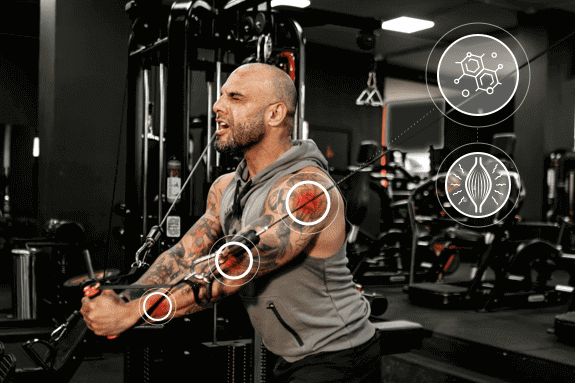
When you train, especially during resistance training, your muscles undergo a biological process called muscle protein breakdown. Recovery begins immediately after your workout.
The Three Phases of Muscle Recovery:
- Muscle Damage Phase
- Micro-tears occur in muscle fibers.
- Inflammation increases.
- You may feel soreness.
- Repair Phase
- Satellite cells activate.
- Protein synthesis increases.
- Damaged tissue begins rebuilding.
- Adaptation Phase
- Muscle fibers grow stronger and thicker.
- Performance improves.
- Future resistance to damage increases.
This entire cycle can take anywhere from 24 hours to several days, depending on training intensity.
Average Muscle Recovery Time Based on Workout Type
1. Light Exercise (Walking, Yoga, Light Cardio)
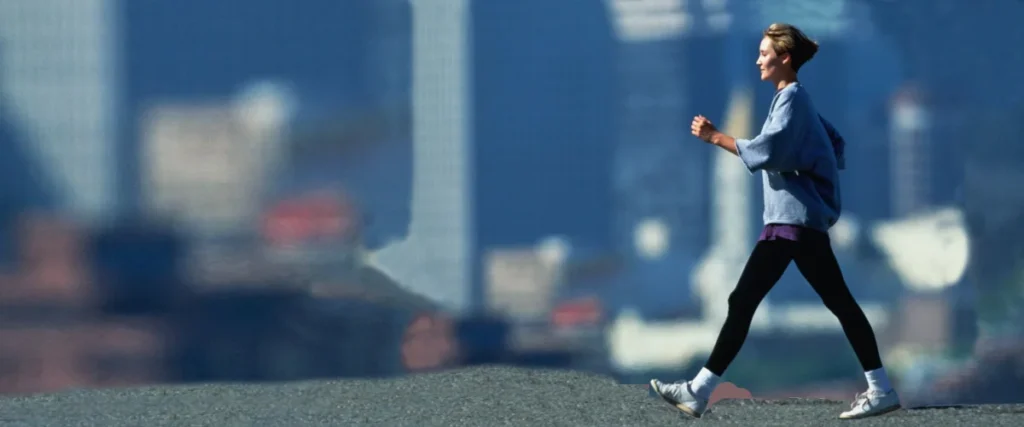
Recovery Time: 12–24 hours
Light activity causes minimal muscle fiber damage. Most individuals can perform light exercise daily without needing extended rest.
Examples:
- Walking
- Light cycling
- Beginner yoga
- Mobility sessions
2. Moderate Strength Training
Recovery Time: 24–48 hours
Moderate resistance training creates noticeable muscle fatigue. Muscles typically require 1–2 days before being trained again.
Tip: Split routines (upper/lower body) help manage recovery effectively.
3. Intense Strength Training or Heavy Leg Day

Recovery Time: 48–72 hours (sometimes longer)
High-intensity workouts create more muscle damage. Heavy compound movements like squats and deadlifts stress large muscle groups.
Beginners may experience soreness for 3–5 days.
What Is DOMS and How Long Does It Last?
Delayed Onset Muscle Soreness (DOMS) usually appears 12–24 hours after exercise and peaks around 24–72 hours.
Symptoms:
- Muscle stiffness
- Tenderness
- Reduced strength
- Limited range of motion
DOMS typically resolves within 3–5 days.
If soreness lasts more than a week, it may indicate overtraining or injury.
Factors That Affect Muscle Recovery Time

1. Training Intensity
The harder you train, the longer recovery may take.
2. Fitness Level
- Beginners: Longer recovery (up to 5 days)
- Experienced athletes: Faster recovery (24–48 hours)
3. Sleep Quality
Muscle repair happens primarily during deep sleep. Poor sleep slows recovery significantly.
4. Nutrition
Protein intake directly affects muscle protein synthesis.
Recommended protein intake:
- 1.6–2.2 grams per kg of bodyweight
- How Fitness Podcasts Build Member Trust
5. Age
Recovery slows with age due to hormonal changes and reduced protein synthesis efficiency.
6. Hydration
Dehydration can delay recovery and increase muscle cramps.
Signs Your Muscles Have Recovered
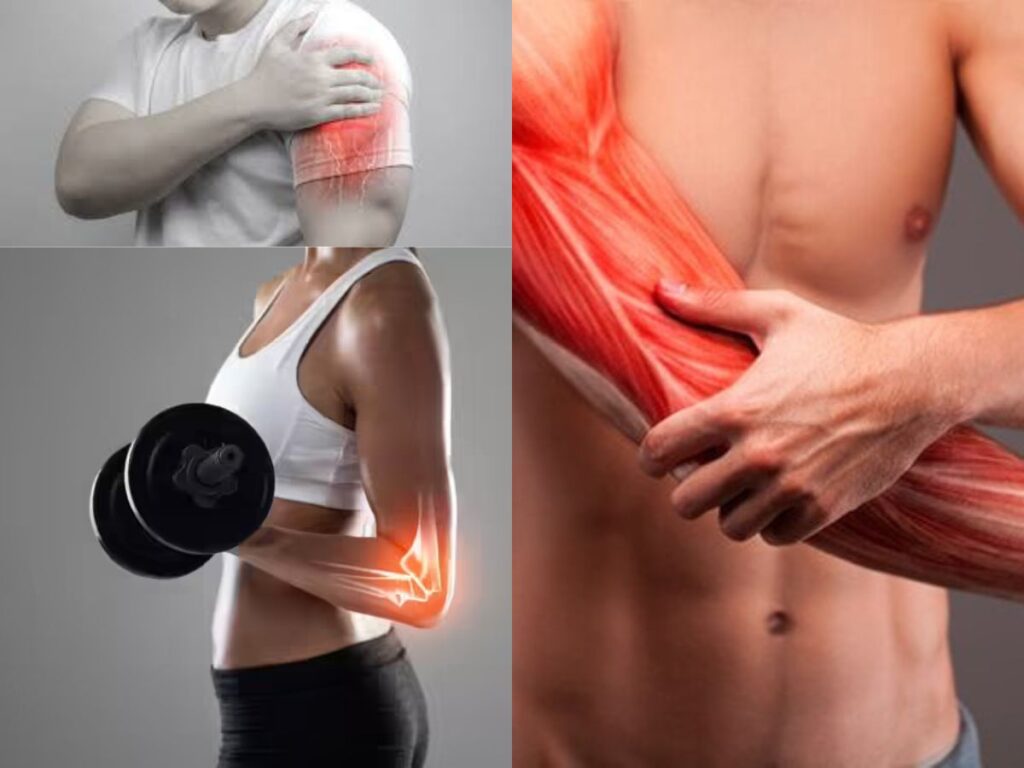
You are likely recovered if:
- Soreness is minimal or gone
- Full range of motion returns
- Strength levels are normal
- Energy is restored
- No joint pain present
If performance is reduced or fatigue persists, your body may need additional rest.
Active vs Passive Recovery
Active Recovery
Examples:
- Foam rolling
- Light swimming
- Stretching
- Walking
Active recovery improves blood flow and reduces stiffness.
Passive Recovery
- Complete rest
- Sleep
- Relaxation
Both methods are important for optimal muscle healing.
How to Speed Up Muscle Recovery
1. Prioritize Sleep
Aim for 7–9 hours per night.
2. Eat Enough Protein
Include lean meats, eggs, dairy, legumes, and protein shakes.
3. Stay Hydrated
Drink water consistently throughout the day.
4. Use Cold Therapy
Ice baths may reduce inflammation after intense sessions.
5. Stretch and Foam Roll
Improves circulation and flexibility.
6. Manage Training Volume
Avoid training the same muscle group daily.
Sample Weekly Recovery-Friendly Workout Split
- Monday: Upper Body
- Tuesday: Lower Body
- Wednesday: Rest or Active Recovery
- Thursday: Push
- Friday: Pull
- Saturday: Legs
- Sunday: Rest
This approach gives each muscle group 48–72 hours to recover.
Muscle Recovery and Overtraining
If you ignore recovery, you risk:
- Chronic fatigue
- Decreased performance
- Increased injury risk
- Hormonal imbalance
- Sleep disturbances
Overtraining syndrome can take weeks or months to resolve.
Flesch Reading Ease Score
Estimated Flesch Reading Ease: 62–68
(Plain English, easy to understand for most readers.)
Frequently Asked Questions (FAQs)
1. Can I train the same muscle every day?
Not recommended for heavy strength training. Muscles typically need 48 hours of rest.
2. Is soreness a sign of muscle growth?
Not always. Growth can occur without severe soreness.
3. Does cardio affect muscle recovery?
Low-intensity cardio can improve recovery. High-intensity cardio may delay it.
4. How long should beginners rest?
48–72 hours between training the same muscle group.
5. Does age increase recovery time?
Yes, older individuals may require slightly longer recovery periods.
6. Are supplements necessary for recovery?
Not required, but protein powder and creatine may help support recovery.
Conclusion
Muscle recovery time varies depending on workout intensity, experience level, nutrition, sleep, and overall health. On average:
- Light exercise: 24 hours
- Moderate training: 24–48 hours
- Intense strength workouts: 48–72 hours
Remember, muscle growth happens during recovery — not during the workout itself. Prioritizing rest, nutrition, hydration, and sleep will help you train harder, recover faster, and avoid injury.
If your goal is long-term progress, treat recovery as seriously as your training.
If you’d like, I can also provide:
- Internal linking suggestions for your fitness website
- Schema markup for SEO
- Pinterest-optimized summary
- A featured snippet optimized version
- Or a 100% human-like SEO refinement version 🚀
About the Author