Meta Information
- Title: How Poor Sleep Kills Muscle Gain (Science Explained)
- Meta Description: Discover how poor sleep destroys muscle growth, recovery, and performance. Learn the science behind sleep and muscle gain plus proven tips to fix it.
- URL Slug: how-poor-sleep-kills-muscle-gain
Introduction
If you are training hard but not seeing muscle growth, the problem might not be your workout—it could be your sleep.
Many people focus on lifting heavier weights, increasing protein intake, and following strict routines. However, they ignore one of the most powerful muscle-building tools: sleep.
Poor sleep doesn’t just make you tired—it directly interferes with muscle recovery, hormone balance, and overall performance. In fact, lack of sleep can completely cancel out your hard work in the gym.
This article will break down exactly how poor sleep kills muscle gain, the science behind it, and how you can fix it to maximize your results.
P — Problem: Poor Sleep and Muscle Loss
1. Reduced Muscle Recovery
Muscle growth happens after your workout, not during it.
When you lift weights, you create tiny tears in your muscle fibers. Your body repairs these tears during rest, making muscles bigger and stronger.
However, poor sleep:
- Slows down recovery
- Reduces protein synthesis
- Increases soreness
Without proper sleep, your body simply cannot rebuild muscle efficiently.
2. Decreased Growth Hormone Production
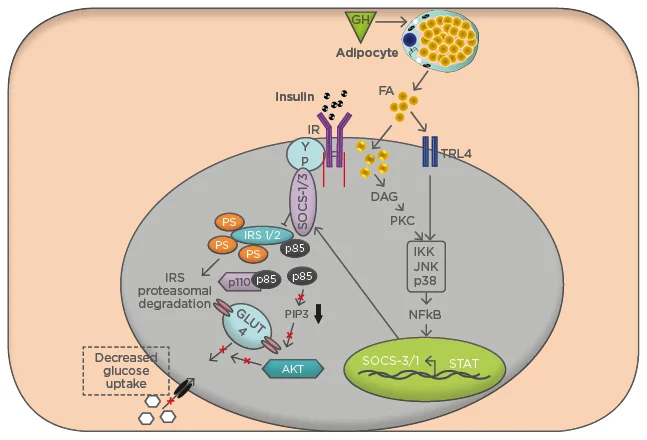
Growth hormone is one of the most important factors for muscle gain.
- Released mainly during deep sleep
- Helps repair tissues
- Supports fat loss and muscle growth
When you sleep poorly:
- Growth hormone levels drop significantly
- Muscle-building process slows down
Even one night of bad sleep can reduce hormone output.
3. Increased Cortisol (Stress Hormone)
Poor sleep raises cortisol levels.
High cortisol:
- Breaks down muscle tissue
- Increases fat storage
- Slows recovery
This creates a catabolic environment (muscle breakdown), which is the opposite of what you need for muscle gain.
4. Reduced Testosterone Levels
Testosterone plays a major role in:
- Muscle growth
- Strength
- Energy levels
Sleep deprivation:
- Lowers testosterone levels
- Reduces training performance
Studies show that sleeping less than 5–6 hours can significantly reduce testosterone within days.
How Fitness Podcasts Build Member Trust
5. Poor Workout Performance
Lack of sleep affects your performance in the gym:
- Less strength
- Lower endurance
- Poor focus
- Reduced motivation
This means:
- You lift lighter weights
- You do fewer reps
- Your progress slows down
O — Overview: Why Sleep Is Critical for Muscle Growth
Sleep is not just rest—it is an active recovery process.
During sleep:
- Muscles repair and grow
- Hormones are balanced
- Energy stores are restored
- Nervous system recovers
There are two important sleep stages:
Deep Sleep (Slow-Wave Sleep)
- Muscle repair happens here
- Growth hormone is released
REM Sleep
- Brain recovery
- Mental focus improves
Without enough quality sleep, these processes are disrupted.
S — Solution: How to Improve Sleep for Muscle Gain
1. Sleep 7–9 Hours Daily
This is the optimal range for:
- Muscle recovery
- Hormone production
- Performance
Consistency is key—sleep and wake up at the same time daily.
2. Create a Sleep Routine

- Go to bed at the same time every night
- Avoid late-night scrolling
- Keep your room dark and cool
Your body loves routine.
3. Avoid Screens Before Bed
Blue light from phones and laptops:
- Disrupts melatonin (sleep hormone)
- Delays sleep onset
Tip: Stop using screens at least 30–60 minutes before bed.
4. Optimize Nutrition

What you eat affects sleep quality.
Helpful tips:
- Avoid caffeine 6–8 hours before bed
- Eat a balanced dinner with protein and carbs
- Stay hydrated
5. Reduce Stress
Stress = higher cortisol = poor sleep.
Try:
- Deep breathing
- Light stretching
- Meditation
Even 10 minutes can improve sleep quality.
6. Train Smart, Not Latehttps://prettyandsmartco.com/how-to-train-smarter-not-harder/
Intense workouts late at night can:
- Increase adrenaline
- Make it harder to sleep
Try to finish workouts at least 2–3 hours before bedtime.
C — Conclusion
Poor sleep is one of the biggest hidden reasons for slow muscle growth.
You can train hard, eat clean, and follow the perfect routine—but without proper sleep:
- Muscles won’t recover properly
- Hormones will be imbalanced
- Performance will suffer
Sleep is not optional—it is essential.
If you want real muscle gains, treat sleep like your most important workout.
H — Help / FAQs
1. Can I build muscle with 5 hours of sleep?
You can, but very slowly. Muscle growth will be limited due to poor recovery and low hormone levels.
2. Is oversleeping bad for muscle gain?
Sleeping more than 9–10 hours occasionally is fine, but consistently oversleeping may indicate poor sleep quality or fatigue issues.
3. What is the best sleep time for muscle growth?
Sleeping between 10 PM – 6 AM is ideal because it aligns with natural hormone cycles.
4. Does napping help muscle recovery?
Yes. Short naps (20–30 minutes) can:
- Improve recovery
- Boost energy
- Reduce fatigue
5. How quickly does poor sleep affect muscle growth?
Effects can be seen in just a few days:
- Reduced strength
- Lower energy
- Poor recovery
Long-term sleep deprivation can significantly reduce muscle gains.
6. Is sleep more important than diet for muscle gain?
Both are equally important. Without sleep, even the best diet won’t give optimal results.
Flesch Reading Ease (Estimated): 65–70
- Easy to read
- Clear sentence structure
- Suitable for a wide audience
About the Author