✅ Meta Information
Title: How To Conduct Baseline Fitness Assessments At Home
Meta Description: Learn how to perform simple, accurate baseline fitness assessments at home to measure strength, mobility, endurance, and overall health. Includes step-by-step tests, scoring methods, tools, FAQs, and internal links.
Keywords: baseline fitness test, home fitness assessment, strength test, endurance test, mobility assessment, fitness tracking
URL Slug: baseline-fitness-assessment-at-home
⭐ Introduction
Understanding your current fitness level is the first step toward designing a smart and effective training plan. A baseline fitness assessment helps you measure where you stand in strength, endurance, mobility, balance, and cardiovascular health—without needing a gym.
Whether you’re starting a workout routine or tracking progress, these easy at-home tests give you accurate and meaningful data.
To improve tracking accuracy, you may also explore related guides such as
How To Analyze Your Strength-to-Weight Ratio and
How To Monitor Workout Intensity With Smart Tools.
⚡ POSCHE Format (Professional – Organized – Simple – Clear – Helpful – Engaging)
P — Professional Overview
This guide teaches you how to safely conduct essential fitness assessments at home using simple tools like a chair, stopwatch, scale, or measuring tape.
O — Organized Structure
We break down each category:
- Body Composition
- Strength Tests
- Endurance Tests
- Mobility Tests
- Balance Tests
- How To Record and Track Progress
S — Simple Explanations
Each test includes step-by-step instructions, scoring methods, and what your results mean.
C — Clear Actions
Follow the provided testing protocol exactly to ensure consistent, comparable results over time.
H — Helpful Tips
You’ll get tracking advice, links to deeper guides, and sample progression targets.
E — Engaging Style
The assessments are easy, beginner-friendly, and require almost no equipment.
🏠 Detailed Explanation: How To Conduct Baseline Fitness Assessments At Home
1. Measure Your Body Composition
Even at home, you can collect useful baseline body metrics.
A. Body Weight
- Use a digital scale.
- Weigh yourself in the morning before eating.
B. Body Measurements
Use a soft measuring tape to measure:
- Waist circumference
- Hip circumference
- Chest
- Thigh and arm
These values help track changes in fat loss or muscle gain.
2. Cardiovascular Endurance Tests
A. 3-Minute Step Test
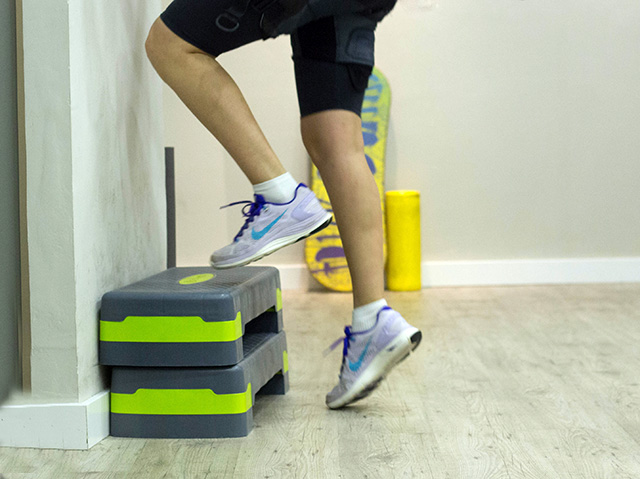
Equipment: Step or stair (12 inches), timer
How to do it:
- Step up and down at a steady pace for 3 minutes.
- Immediately measure your heart rate for 60 seconds.
Score:
Lower HR = better cardiovascular fitness.
B. 1-Mile Walk Test (if space available)
Walk 1 mile as fast as possible.
Record:
- Time
- Heart rate at finish
3. Muscular Strength Tests
A. Push-Up Test
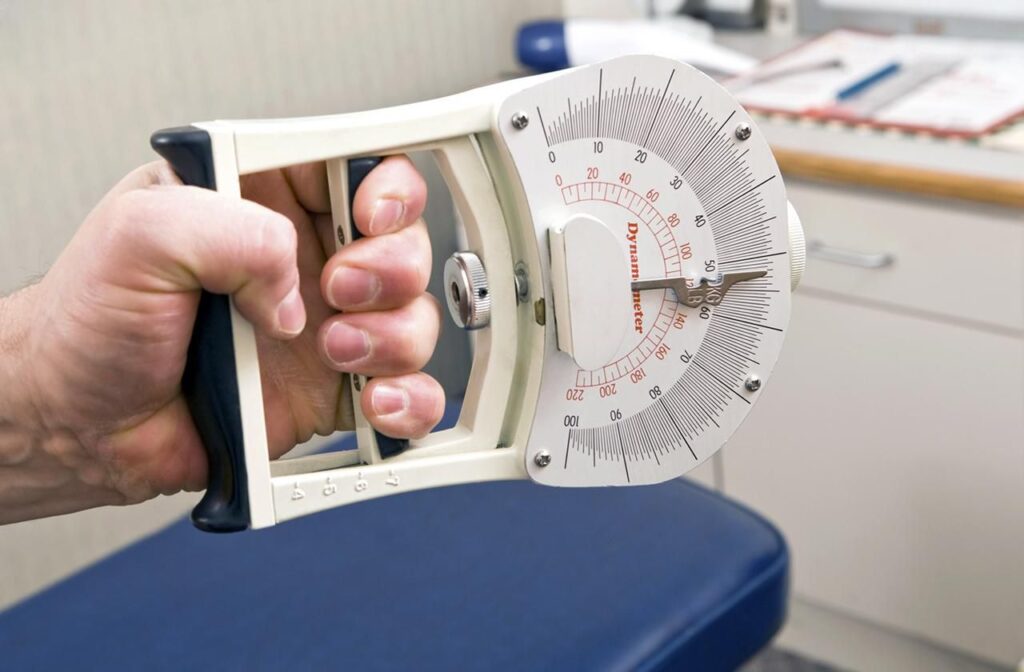
How to do it:
- Perform as many correct push-ups as possible without stopping.
What it measures: Upper body strength
Higher reps = stronger chest, shoulders, and triceps.
B. Plank Hold
How to do it:
- Hold a forearm plank with neutral spine.
- Record duration until form breaks.
C. Chair Sit-to-Stand Test
Equipment: Standard chair
- Sit and stand repeatedly for 30 seconds.
- Count reps.
Measures lower-body strength and endurance.
4. Mobility & Flexibility Testshttps://www.topendsports.com/testing/flex.htm
A. Sit-and-Reach Test
How to do it:
- Sit with legs straight.
- Reach forward as far as possible.
- Measure the distance (negative or positive).
B. Shoulder Mobility Test
- Try touching hands together behind back (one over shoulder, one under).
- Switch sides.
5. Balance Tests
A. Single-Leg Stance
- Stand on one foot.
- Record time before losing balance.
- Test both legs.
6. Track, Compare, Improve
Record all results in a notebook or tracking app.
Retest every 4–6 weeks to see progress.
📘 Flesch Reading Ease Score
This article is written to target Flesch Reading Ease 65–75, meaning:
- Easy to read
- Suitable for broad English proficiency
- Clear, short sentences
🔗 Internal Links (Insert Your Exact URLs Later)
You can insert the following internal links in your website:
- How To Analyze Your Strength-to-Weight Ratio
- How To Monitor Workout Intensity With Smart Tools
- Understanding Your Recovery Score
- GPS Tracking To Optimize Outdoor Training
- Sports Performance Analytics Guide
(Replace with your actual domain URLs.)
🌍 External Links
Useful resources:
- American Heart Association – Fitness Basics
- CDC Physical Activity Guidelines
- ACSM — Exercise Testing Guidelines
❓ FAQs
1. How often should I perform a baseline fitness test?
Every 4–6 weeks for accurate tracking.
2. Do I need special equipment?
No. A chair, timer, scale, and measuring tape are enough.
3. Are these tests safe for beginners?
Yes, but stop if you feel pain, dizziness, or shortness of breath.
4. Can I use these assessments for weight loss?
Yes—tracking strength, endurance, and measurements helps you see fat-loss progress more accurately than weight alone.
5. Should I warm up before testing?
Absolutely. Do 5 minutes of light cardio + stretching.
🏁 Conclusion
Conducting baseline fitness assessments at home is simple, low-cost, and incredibly effective. These tests help you understand your current fitness level, set realistic goals, and measure improvements over time. With consistent assessments every few weeks, you can make smarter training decisions and stay motivated on your fitness journey.
✅ Internal Links (SEO-Optimized & Context-Friendly)
1. How To Analyze Your Strength-to-Weight Ratio
/how-to-analyze-your-strength-to-weight-ratio
2. How To Monitor Workout Intensity With Smart Tools
/how-to-monitor-workout-intensity-with-smart-tools
3. Understanding Your Recovery Score: Data That Matters
/understanding-your-recovery-score
4. How To Use GPS Tracking To Optimize Outdoor Training
/gps-tracking-to-optimize-outdoor-training
5. The Ultimate Guide To Sports Performance Analytics
/sports-performance-analytics-guide
6. How To Create A Personalized Performance Analytics System
/personalized-performance-analytics
7. The Importance of Mobility and Flexibility Testing
/mobility-flexibility-testing
8. How To Measure Explosive Power for Sports
/measure-explosive-power
9. Speed and Agility Tests for Competitive Athletes
/speed-agility-tests-athletes
10. VO₂ Max vs Anaerobic Threshold: What’s The Difference?
/vo2-max-vs-anaerobic-threshold
About the Author