Meta Information
- Title: How To Measure Power Output On A Cycling Trainer
- Meta Description: Learn how to accurately measure your power output on a cycling trainer using power meters, smart trainers, virtual platforms, and training apps. Includes step-by-step instructions, tools, benefits, FAQs, and internal/external links.
- Keywords: cycling power output, measure power cycling, cycling trainer wattage, smart trainer power, power meter guide, cycling performance testing
- URL Slug: measure-power-output-cycling-trainer
POSCHE Blog Format
P – Problem
Many cyclists struggle to measure their true power output while training indoors. Without accurate wattage data, it becomes difficult to track progress, adjust training intensity, or prepare for performance tests. Incorrect power measurement can also lead to inconsistent workouts and poor training efficiency.
O – Observation
Indoor training has become extremely popular due to platforms like Zwift, TrainerRoad, and Wahoo SYSTM. These platforms heavily depend on power data. Fortunately, cyclists today have multiple tools—power meters, smart trainers, and virtual power algorithms—to measure wattage accurately. Choosing the right method and calibrating properly makes a major difference.
S – Solution
This guide gives you a step-by-step explanation of how to measure power on a cycling trainer, covering all available tools, calibration methods, troubleshooting, and best practices. It helps you choose the best option based on your goals and budget.
C – Complication
Not all trainers measure power equally.
- Some offer direct power measurement,
- estimate power,
- Some require external sensors,
- Others need software calibration.
If you don’t understand these differences, you may rely on inaccurate wattage, which affects your training results.
H – How-To (Detailed 1500-Word Guide)
How To Measure Power Output On A Cycling Trainer: A Complete Guide
Measuring your power output (watts) is one of the most effective ways to assess your cycling performance. Power is more reliable than heart rate, speed, or perceived effort because it measures the real mechanical work you produce. Whether you’re preparing for FTP testing, structured training, or indoor racing, having accurate power numbers is essential.
Below, you will learn every method used to measure power on a cycling trainer and how to use them correctly.
1. What Is Power in Cycling?
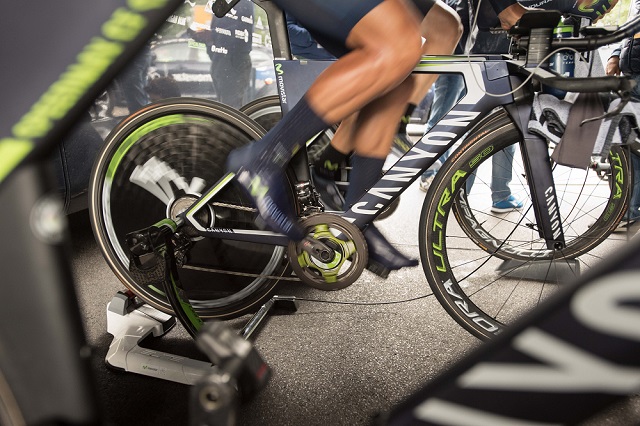
In cycling, power is measured in watts (W). It represents how hard you push on the pedals.
The formula is:
Power = Force × Cadence
More force or higher cadence equals higher wattage.
Why power matters:
- It is objective
- It is repeatable
- allows structured zone training
- It improves accuracy in workouts
- helps evaluate strength, endurance, and cycling efficiency
Internal Link Suggestion:
How To Analyze Your Strength-to-Weight Ratio
2. Ways to Measure Power Output on a Cycling Trainer
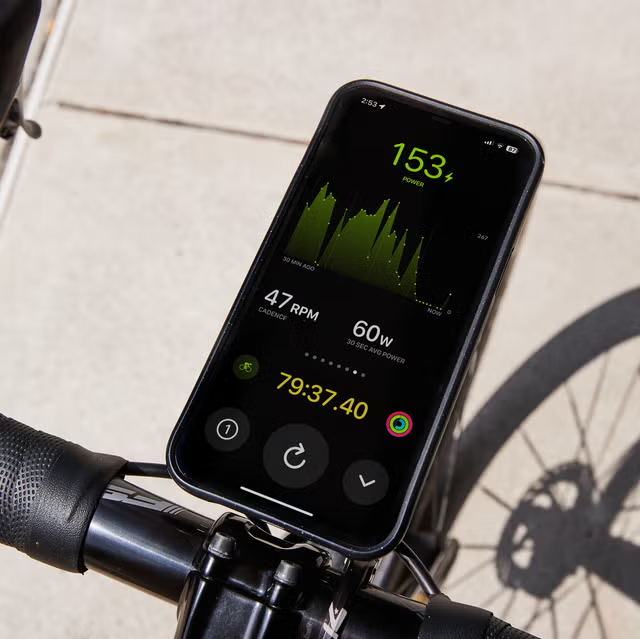
There are three main methods:
A. Smart Trainer (Direct Measurement)https://eu.wahoofitness.com/devices/indoor-cycling/bike-trainers
Smart trainers are the most accurate because they have built-in power sensors.
Examples:
- Wahoo KICKR
- Tacx NEO
- Elite Direto
- Saris H3
How it works:
They determine power using torque and flywheel speed.
Advantages:
- Very accurate (±1–2%)
- Fully automatic resistance control
- Ideal for Zwift or TrainerRoad
How to use:
- Attach your bike to the smart trainer.
- Connect to an app (Zwift, TrainingPeaks, Wahoo SYSTM).
- Perform spin-down calibration if required.
- Start riding and monitor your wattage in real time.
B. Power Meter (Pedal, Crank, Spider)
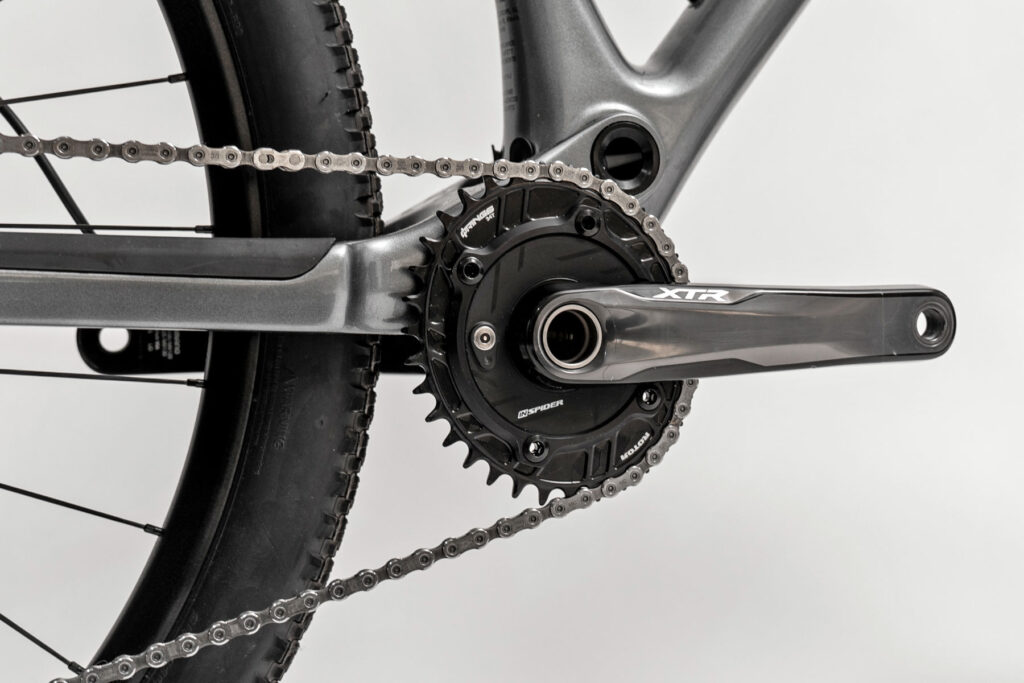
Power meters installed on the bike measure force directly at the crank, pedals, or spider.
Common power meter brands:
- Garmin Vector / Rally
- Favero Assioma
- Shimano R9200P
- Quarq DZero
Advantages:
- Works indoors and outdoors
- Very accurate readings
- Can be moved between bikes (pedal power meters)
How to use:
- Install the power meter following manufacturer instructions.
- Pair the power meter with your indoor training app.
- Perform zero offset calibration before riding.
- Record wattage as you pedal.
Internal Link Suggestion:
Speed Testing Protocols For Sprinters And Runners
C. Virtual Power (Estimated Power)
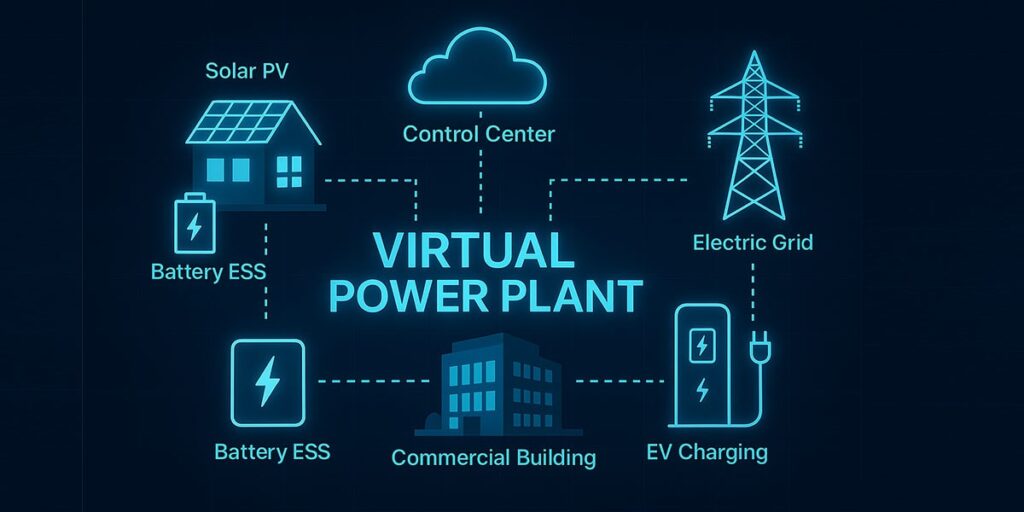
Used by apps when no power meter is available.
Platforms that use virtual power:
- Zwift
- TrainerRoad
- MyWhoosh
How it works:
The app estimates your power based on:
- Wheel speed
- Trainer resistance curve
Advantages:
- Very cheap
- Good for beginners
Disadvantages:
- Less accurate (5–10% error)
- Depends on correct tire pressure and roller tension
3. Tools Needed to Measure Power
Here is a checklist:
| Tool | Required? | Purpose |
|---|---|---|
| Smart trainer or power meter | Yes | Direct or indirect power measurement |
| Training app | Optional | Data recording |
| Cadence sensor | Optional | Supports more accurate estimates |
| Heart rate monitor | Optional | Additional training metric |
| Device (phone/tablet/PC) | Yes | Data display and logging |
4. How to Calibrate Power Devices for Accurate Data
Calibration is crucial.
Smart Trainer Calibration
- Warm up for 10 minutes
- Open Wahoo / Elite / Tacx app
- Perform “Spin Down Calibration”
- Ensure trainer is on a stable, flat surface
Power Meter Calibration
- Open the companion app
- Select “Zero Offset”
- Ensure the bike is not moving
- Repeat before every important ride
Wheel-On Trainer Calibration (for virtual power)
- Maintain correct tire pressure
- Use same roller tension every ride
- Warm the tire before starting workout
5. Using Training Apps to Measure Power
Cycling apps help analyze your wattage and track progress.
Top Apps:
- Zwift – virtual riding and races
- TrainerRoad – structured training
- Wahoo SYSTM – performance testing
- Strava – power analysis
- TrainingPeaks – advanced power metrics
Useful Power Metrics:
- FTP (Functional Threshold Power)
- NP (Normalized Power)
- TSS (Training Stress Score)
- IF (Intensity Factor)
Internal Link Suggestion:
The Benefits Of Regular Performance Reassessment
6. How to Improve Your Power Output
Power improvement requires systematic training.
Here’s a plan:
A. High-Intensity Intervals
- 3×3 min above 120% FTP
- 2 min rest between sets
B. Sweet Spot Training
- 20 min at 88–94% FTP
- Ideal for building sustainable power
C. Strength Training
- Squats
- Deadlifts
- Leg press
Internal Link Suggestion:
How To Improve Your Balance And Coordination Scores
7. Common Mistakes When Measuring Power
Using different calibration settings
Switching between virtual and direct power
Incorrect trainer tire pressure
Using mismatched devices
❌Not warming up before calibration
8. Benefits of Measuring Power Indoors
Measuring power on a trainer provides:
- Accurate intensity control
- Improved training efficiency
- Better performance tracking
- Reliable indoor testing
- Better data for coaches
- Safer environment compared to outdoor roads
Internal Link Suggestion:
How To Use Wearable Data For Smarter Workouts
9. Recommended External Links
These are reputable sport science and equipment resources:
- TrainingPeaks Power Training Guide (trainingpeaks.com)
- Zwift Support – Power Measurement (zwift.com)
- Garmin Power Meter Guide (garmin.com)
- Wahoo Smart Trainer Calibration (wahoofitness.com)
FAQs
1. Do I need a smart trainer to measure power?
No. You can use a power meter or virtual power through training apps.
2. Which method is most accurate?
Smart trainers and power meters both provide ±1–2% accuracy.
3. Should I calibrate before every ride?
Yes. Calibration ensures consistent and reliable wattage.
4. What is a good wattage for beginners?
Beginners usually produce 100–200 watts, depending on fitness level.
5. What is FTP and why does it matter?
FTP is the maximum power you can sustain for 1 hour. It determines your training zones.
Conclusion
Measuring power output on a cycling trainer is one of the most effective ways to improve your indoor training quality. Whether you use a smart trainer, a power meter, or virtual power, accurate wattage helps you train smarter, track progress, and achieve consistent performance improvements.
By calibrating your equipment, using training apps, avoiding common mistakes, and following structured training, you can take full control of your cycling performance.
About the Author