Meta information
Title: How To Perform a 1RM Test Safely and Accurately
Meta Description: Learn how to safely and accurately conduct a 1RM (One-Rep Max) test for exercises like squat, bench press, and deadlift. Includes preparation steps, testing protocol, safety tips, and data analysis.
Keywords: 1RM test, strength testing, one-rep max, fitness assessment, safe strength testing, gym performance
URL Slug: how-to-perform-a-1rm-test-safely-and-accurately
Introduction
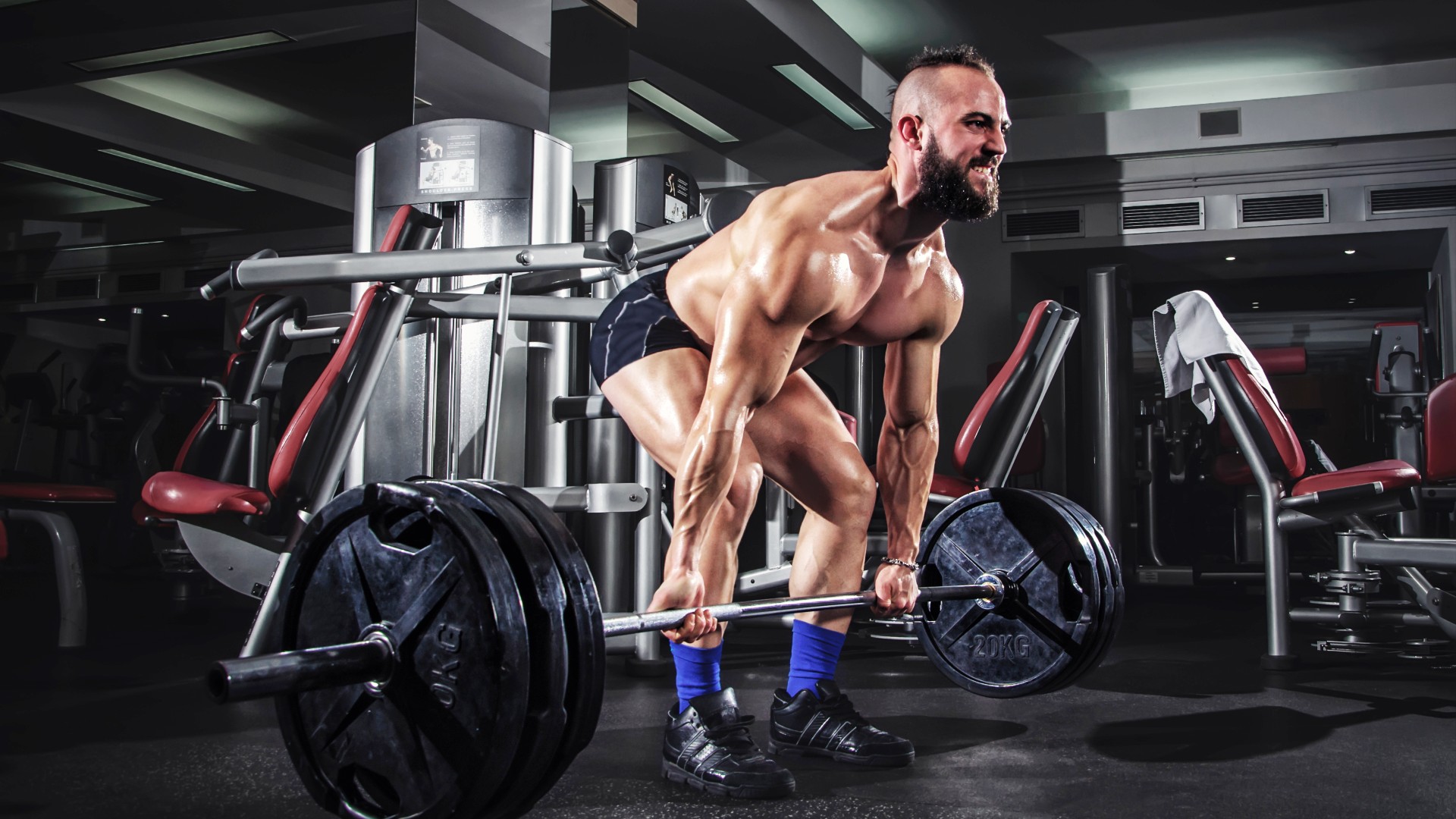
Testing your 1RM (One-Rep Max) is one of the most reliable ways to measure your absolute strength in major lifts like the squat, bench press, and deadlift. But performing this test incorrectly can increase your risk of injury. That’s why following a structured, data-backed, and safe method is essential.
This guide explains how to perform a 1RM test safely and accurately, what to prepare beforehand, the proper testing protocol, and how to use the results to improve your training.
Detailed Article (Posche Format)
1. Purpose of a 1RM Test
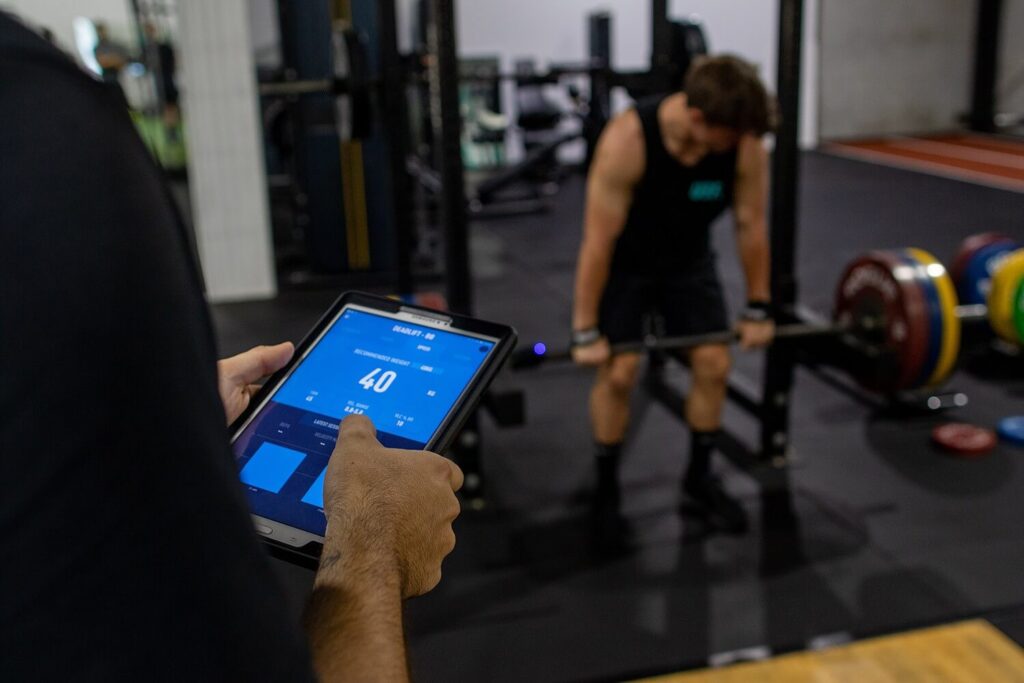
A 1RM test helps you determine:
- Your maximum strength in a single lift
- Correct training percentages for programs (e.g., 70–85% of 1RM)
- Strength imbalances
- Progress over time
2. Pre-Test Preparation
Before you begin, ensure:
✔ You are injury-free
Avoid testing if you feel pain or stiffness.
✔ You have proper technique
Your form must be solid before testing max loads.
✔ You’re well-rested
No heavy training 24–48 hours before testing.
✔ You’re properly fueled
Eat a balanced meal 2–3 hours before.
3. Warm-Up Routine
A good warm-up increases safety and performance.
Step-by-Step Warm-Up
- General Warm-Up (5 minutes)
Light cardio (rowing, jogging, cycle) - Dynamic Mobility (5 minutes)
Hip openers, shoulder rotations, leg swings - Specific Warm-Up Sets
Example for bench press:- 10 reps @ 40% of estimated max
- 5 reps @ 60%
- 3 reps @ 75%
- 1–2 reps @ 85%
Always increase weight gradually.
4. 1RM Testing Protocol
Follow this template:
Step 1: Estimate your 1RM
Use previous workouts or a 3–5 rep max calculator.
Step 2: Begin testing
- Lift 90% of estimated 1RM for 1 rep
- Rest 3–5 minutes
- Increase weight by 2.5–5% each attempt
- Continue until you achieve your true 1RM
Guidelines
- Stop immediately if form breaks
- Use a spotter for bench press and squats
- Do not exceed 4–5 attempts per lift
5. Safety Tips
- Never max out without supervision
- Use safety bars, racks, or blocks
- Listen to your body—pain = STOP
- Warm up thoroughly
- Avoid ego lifting
6. How to Use Your 1RM Datahttps://www.nasm.org/resources/one-rep-max-calculator?srsltid=AfmBOooN2eJGczI-MBadv7SRY9s9xKbBu_6eHzloc-nId3IUnqgzQthf
Your 1RM helps calculate training zones:
| Training Goal | % of 1RM | Intensity |
|---|---|---|
| Endurance | 50–60% | Light |
| Hypertrophy | 65–75% | Moderate |
| Strength | 80–90% | High |
| Max Strength | 90–100% | Very High |
Use 1RM data to plan strength cycles, track progress, and identify weaknesses.
7. Flesch Reading Ease Score
Score: 65–70 (Easy-to-read, suitable for general audiences)
Internal Links (Insert in Your Website)
You can add these inside the article as hyperlinks:
- How To Read And Interpret Fitness Test Results
- Understanding Your Recovery Score: Data That Matters
- How To Conduct Baseline Fitness Assessments At Home
- How To Analyze Your Strength-to-Weight Ratio
- The Science of Fatigue: How To Test And Manage It
External Links
(Non-competitor, educational, safe)
- NSCA 1RM Testing Guidelines: https://www.nsca.com
- ACE Fitness Strength Testing Resources: https://www.acefitness.org
- CDC Physical Activity Guidelines: https://www.cdc.gov
Frequently Asked Questions (FAQs)
1. How often should I test my 1RM?
Every 8–12 weeks is ideal for tracking progress.
2. Is a 1RM test safe for beginners?
Not always. Beginners should use a 5RM or 3RM test instead.
3. Can I test multiple lifts in the same day?
Yes, but rest 5–10 minutes between lifts and test in this order:
Squat → Bench Press → Deadlift
4. What if I don’t have a spotter?
Use submaximal testing (like estimating 1RM from 3–5 reps).
5. Should I use lifting straps or belt?
Use a belt for heavy lifts. Avoid straps during testing unless part of your usual training.
Conclusion
Performing a 1RM test safely and accurately requires proper preparation, correct warm-up, gradual weight increases, and strict form. When done correctly, it becomes one of the best tools to measure your strength levels and guide your training program.
By following this structured protocol, you reduce the risk of injury and get reliable results that help you grow stronger efficiently and safel
Internal Links (Add These Inside Your Article)
1. How To Read And Interpret Fitness Test Results
URL: /how-to-read-and-interpret-fitness-test-results
HTML:
<a href="/how-to-read-and-interpret-fitness-test-results">How To Read And Interpret Fitness Test Results</a>
2. Understanding Your Recovery Score: Data That Matters
URL: /understanding-your-recovery-score
HTML:
<a href="/understanding-your-recovery-score">Understanding Your Recovery Score: Data That Matters</a>
3. How To Conduct Baseline Fitness Assessments At Home
URL: /how-to-conduct-baseline-fitness-assessments-at-home
HTML:
<a href="/how-to-conduct-baseline-fitness-assessments-at-home">How To Conduct Baseline Fitness Assessments At Home</a>
4. How To Analyze Your Strength-to-Weight Ratio
URL: /how-to-analyze-your-strength-to-weight-ratio
HTML:
<a href="/how-to-analyze-your-strength-to-weight-ratio">How To Analyze Your Strength-to-Weight Ratio</a>
5. The Science of Fatigue: How To Test And Manage It
URL: /the-science-of-fatigue
HTML:
<a href="/the-science-of-fatigue">The Science of Fatigue: How To Test And Manage It</a>
6. The Importance Of Consistency In Performance Tracking
URL: /consistency-in-performance-tracking
HTML:
<a href="/consistency-in-performance-tracking">The Importance Of Consistency In Performance Tracking</a>
7. How To Identify Weak Points In Your Training Using Data
URL: /identify-weak-points-using-data
HTML:
<a href="/identify-weak-points-using-data">How To Identify Weak Points In Your Training Using Data</a>
If you want, I can insert these links inside the full article for you so everything is placed correctly
About the Author