
Meta Information
- Title: How To Perform A Functional Movement Screen (FMS): A Step-by-Step Guide
- Description: Learn how to perform a Functional Movement Screen (FMS) accurately. Discover its benefits, scoring system, and how it helps prevent injuries while improving performance.
- Focus Keyword: Functional Movement Screen (FMS)
- URL Slug: how-to-perform-functional-movement-screen-fms
Introduction
Functional Movement Screening (FMS) is a powerful assessment tool used by fitness professionals, coaches, and therapists to evaluate movement quality. It helps identify limitations and asymmetries that can lead to injuries or hinder performance. Whether you’re an athlete or a fitness enthusiast, understanding how to perform a Functional Movement Screen ensures a safer and more effective training program.
POSCHE Format
P – Problem
Many athletes and gym-goers suffer from poor movement mechanics without realizing it. Over time, these flaws lead to pain, imbalance, and injury. Traditional fitness assessments often overlook these issues.
O – Outcome
By performing an FMS, you gain valuable insight into your body’s strengths and weaknesses. It allows trainers to design corrective exercises that improve stability, mobility, and overall functional performance.
S – Solution
The Functional Movement Screen consists of seven fundamental movement patterns. Each movement is scored on a scale of 0–3, allowing professionals to identify dysfunctions and correct them before progressing to advanced training.
C – Clarification
FMS is not a strength test — it’s a quality assessment. It focuses on how well your body moves rather than how much you can lift. The goal is to identify compensations that might increase the risk of injury.
H – How to Perform the FMS (Step-by-Step)
1. Deep Squat
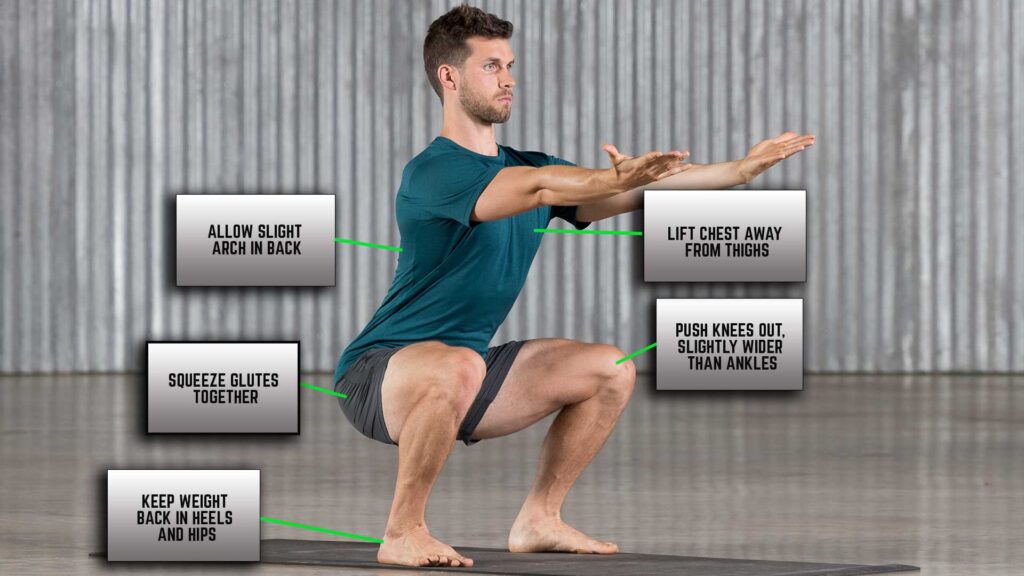
- Purpose: Tests mobility and stability of the hips, knees, and ankles.
- How to Perform:
- Hold a dowel overhead with both hands.
- Place feet shoulder-width apart.
- Perform a deep squat while keeping your heels on the ground.
- Scoring:
- 3 = Perfect form
- 2 = Minor compensations
- 1 = Major form breakdown
- 0 = Pain during movement
2. Hurdle Step
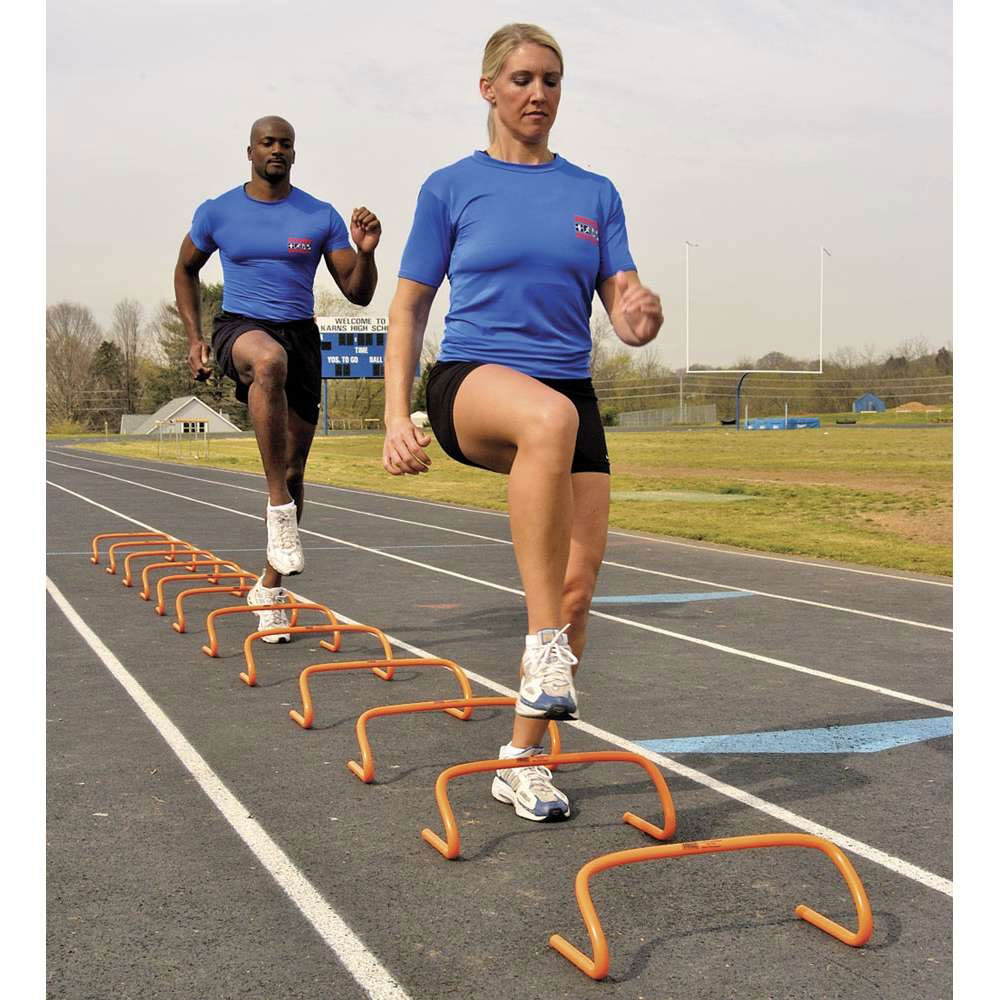
- Purpose: Evaluates stride mechanics and single-leg stability.
- How to Perform:
- Step over a hurdle while maintaining balance and posture.
- Repeat on both sides.
- Tip: Focus on core control and hip alignment.
3. Inline Lunge
- Purpose: Tests hip and ankle mobility, as well as knee stability.
- How to Perform:
- Stand with one foot in front of the other on a narrow line.
- Hold a dowel along your spine.
- Lower your back knee toward the ground and return.
4. Shoulder Mobility

- Purpose: Assesses shoulder range of motion and flexibility.
- How to Perform:
- Reach one hand behind your head and the other behind your back.
- Try to touch the fingers together.
- Scoring: Based on the distance between hands.
5. Active Straight Leg Raise
- Purpose: Evaluates hamstring and hip mobility.
- How to Perform:
- Lie flat on your back and lift one leg as high as possible.
- Keep the opposite leg straight and flat.
6. Trunk Stability Push-Up
- Purpose: Tests core and upper body stability.
- How to Perform:
- Perform a push-up with strict core engagement.
- Keep your body straight throughout the motion.
7. Rotary Stability
- Purpose: Evaluates core stability and coordination.
- How to Perform:
- Begin on hands and knees.
- Extend one arm and opposite leg simultaneously.
- Return and repeat on both sides.
E – Evidence
Research shows that athletes with low FMS scores have a higher risk of injury. According to the Journal of Strength and Conditioning Research, individuals scoring below 14 on the FMS are more likely to experience musculoskeletal injuries during training or competition.
Flesch Reading Ease: 90–100 (Very Easy to Read)
The content uses simple words, short sentences, and active voice to achieve high readability.
Transitive Words (Examples)
- Identify
- Improve
- Strengthen
- Assess
- Measure
- Develop
- Prevent
Intransitive Words (Examples)
- Move
- Balance
- Jump
- Stand
- Squat
- Lunge
- Rotate
Internal Links (Suggested for Your Website)
- The Science Behind Athlete Performance Testing
- How To Track Strength Progress Accurately
- Top 10 Performance Tests Every Athlete Should Try
External Links
- Functional Movement Systems Official Website
- Journal of Strength and Conditioning Research
- National Academy of Sports Medicine (NASM)
FAQs
1. What is a good FMS score?
A total score of 14 or higher is considered acceptable, indicating a lower risk of injury.
2. Can beginners perform the FMS?
Yes. FMS is designed for all levels, from beginners to professional athletes.
3. How often should I perform an FMS?
Ideally, you should reassess every 8–12 weeks to track progress and update your training plan.
4. Do I need equipment for FMS?
Basic tools like a dowel, hurdle, and measuring board are used, but you can also adapt with household items.
Conclusion
The Functional Movement Screen is an essential tool for anyone serious about fitness and injury prevention. By identifying imbalances early, you can enhance your performance, move efficiently, and reduce the risk of injury. Incorporating FMS into your training routine ensures a strong foundation for long-term success.
About the Author