✅ Meta Information
Meta Title: How To Recover Faster After Leg Day (Complete Muscle Recovery Guide)
Meta Description: Learn how to recover faster after leg day with science-backed strategies including nutrition, sleep, stretching, hydration, and active recovery. Boost performance and reduce soreness effectively.
URL Slug: /recover-faster-after-leg-day
Focus Keyword: Recover Faster After Leg Day
Secondary Keywords: leg day recovery, muscle soreness relief, reduce DOMS, post workout recovery tips, muscle repair after workout, faster muscle recovery, leg workout soreness, recovery and regeneration
🏋️ How To Recover Faster After Leg Day
Introduction
Leg day is powerful. It builds strength, increases muscle mass, improves athletic performance, and boosts metabolism. But it also hurts.
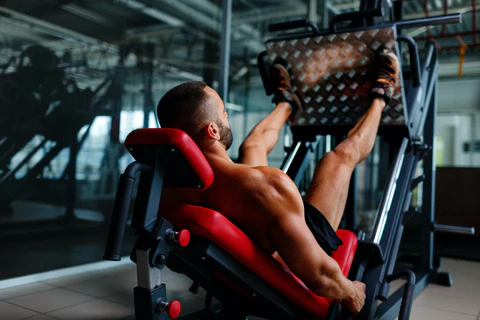
After heavy squats, lunges, Romanian deadlifts, or leg presses, your quads, hamstrings, glutes, and calves may feel extremely sore. Walking becomes difficult. Sitting down feels like a challenge. Even stairs look dangerous.
This soreness is normal. It is called Delayed Onset Muscle Soreness (DOMS). It usually appears 12–24 hours after training and peaks around 48 hours.
The good news? You can recover faster after leg day with the right strategy.
In this detailed guide, you’ll learn:
- Why leg day soreness happens
- How to reduce muscle soreness
- The best nutrition for muscle repair
- The importance of sleep and hydration
- Active recovery methods
- Supplements that support recovery
- A complete recovery routine
- Frequently asked questions
Let’s begin.
Why Leg Day Makes You So Sore
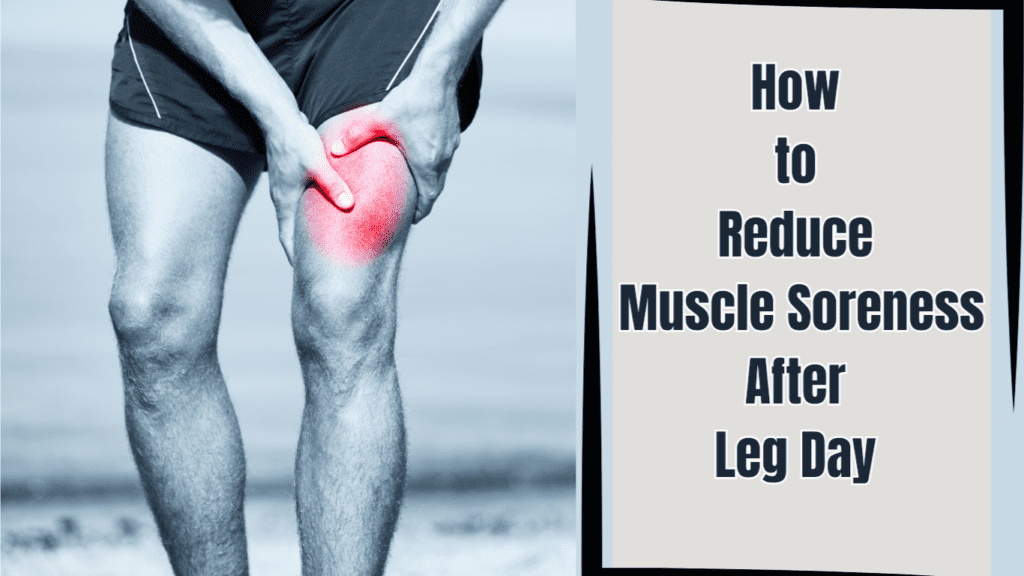
Leg workouts target the largest muscle groups in your body:
- Quadriceps
- Hamstrings
- Glutes
- Calves
Because these muscles are large and powerful, they create more muscle fiber damage during intense workouts. Exercises like squats and lunges involve eccentric contractions (muscle lengthening under tension), which cause more microscopic tears.
These micro-tears are not bad. They are necessary for muscle growth. But they also cause:
- Inflammation
- Stiffness
- Tenderness
- Reduced range of motion
Your goal is not to avoid muscle damage completely. Your goal is to improve muscle repair and reduce recovery time.
1️⃣ Optimize Post-Workout Nutrition
Nutrition is the foundation of faster muscle recovery.
✔ Eat Protein Within 60 Minutes

Protein provides amino acids that repair muscle fibers.
Best protein sources:
- Chicken breast
- Eggs
- Greek yogurt
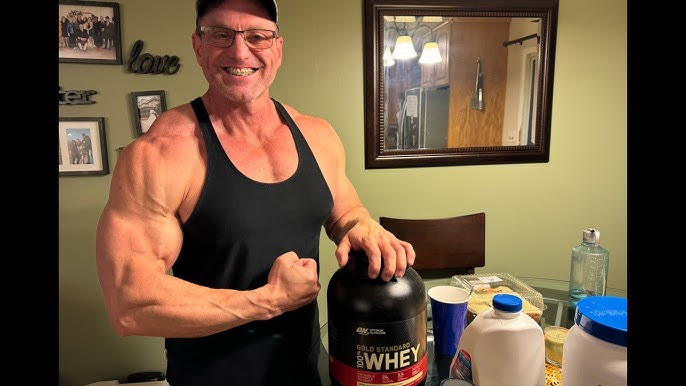
- Whey protein
- Cottage cheese
- Tofu
- Lentils
Ideal amount:
20–40 grams of high-quality protein after training.
Why It Works
Protein increases muscle protein synthesis. This speeds up muscle repair and reduces soreness duration.
✔ Add Carbohydrates
Carbs restore glycogen levels. After leg day, your muscles are depleted.
Good carb options:
- Rice
- Sweet potatoes
- Oats
- Bananas
- Whole grain bread
A protein + carb meal is ideal.
Example:
Grilled chicken + rice + vegetables.
✔ Include Anti-Inflammatory Foods

Certain foods reduce inflammation naturally:
- Berries
- Turmeric
- Ginger
- Fatty fish (salmon)
- Olive oil
- Nuts
These foods help reduce muscle soreness after leg workout sessions.
2️⃣ Hydration: The Overlooked Recovery Toolhttps://www.youtube.com/watch?v=5OBy2OnmIm4
Water plays a major role in muscle recovery.
Dehydration can:
- Increase muscle cramps
- Slow recovery
- Increase fatigue
Target:
3–4 liters daily (depending on body size and climate).
Add electrolytes if your workout was intense or sweaty.
3️⃣ Sleep: The Ultimate Recovery Booster
Sleep is when real recovery happens.
During deep sleep:
- Growth hormone increases
- Muscle repair accelerates
- Inflammation reduces
Ideal sleep duration:
7–9 hours per night.
Tips for Better Sleep:
- Avoid screens 1 hour before bed
- Keep your room dark and cool
- Maintain a regular sleep schedule
- Avoid caffeine late in the day
If you want to recover faster after leg day, prioritize sleep.
4️⃣ Active Recovery (Don’t Stay Still!)
Complete rest is not always the best option.
Light movement improves:
- Blood circulation
- Nutrient delivery
- Waste removal
Best Active Recovery Methods:
🚶 Light Walking
15–20 minutes improves blood flow.
🚴 Light Cycling
Low intensity helps reduce stiffness.
🏊 Swimming
Gentle movement with low joint stress.
Active recovery reduces DOMS faster than total inactivity.
5️⃣ Stretching and Mobility Work
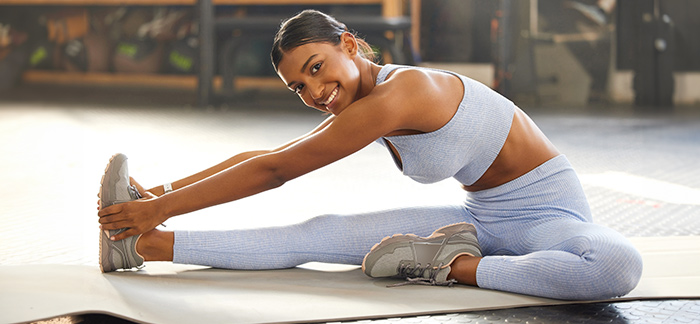
Stretching helps restore range of motion.
Post Leg Day Stretch Routine:
- Hamstring stretch
- Quad stretch
- Hip flexor stretch
- Glute stretch
- Calf stretch
Hold each stretch for 20–30 seconds.
Important:
Avoid aggressive stretching when muscles are extremely sore. Keep it gentle.
How Fitness Podcasts Build Member Trust
6️⃣ Foam Rolling and Massage
Foam rolling improves circulation and reduces tightness.
Benefits:
- Reduces muscle stiffness
- Improves mobility
- Enhances blood flow
Roll slowly over:
- Quads
- Hamstrings
- IT band
- Glutes
- Calves
Spend 1–2 minutes per muscle group.
Massage therapy also works well if available.
7️⃣ Cold Therapy vs Heat Therapy
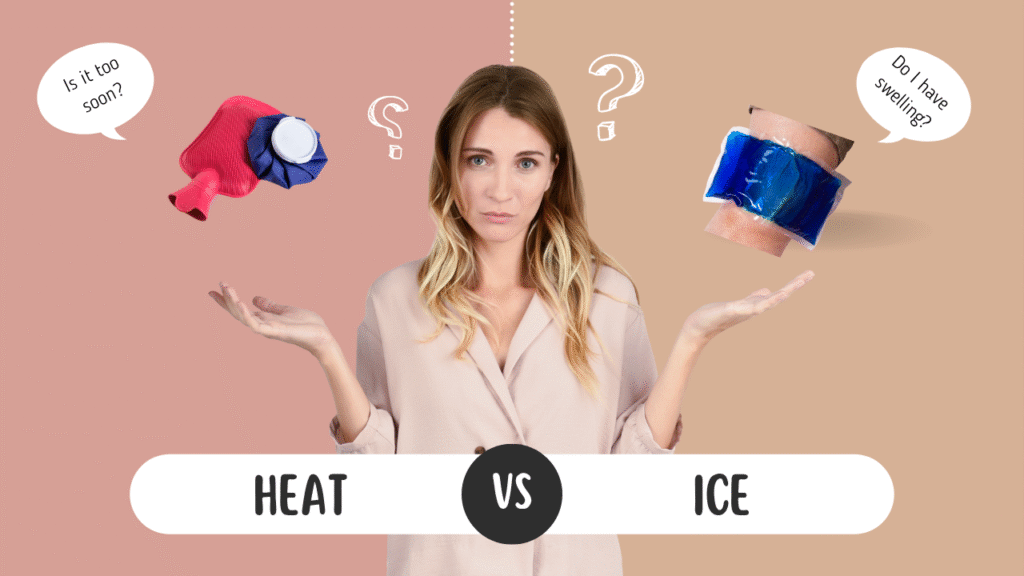
Both methods help, but at different times.
❄ Cold Therapy
Best within 24 hours after workout.
Reduces inflammation and swelling.
Options:
- Ice packs
- Cold showers
- Ice baths
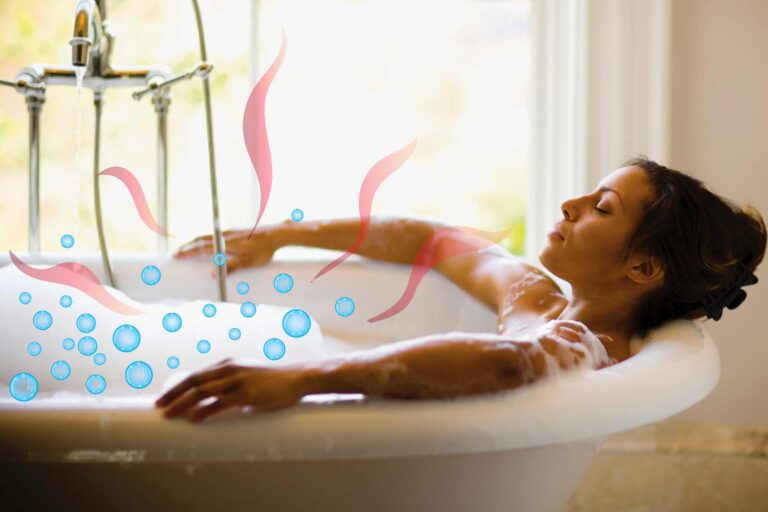
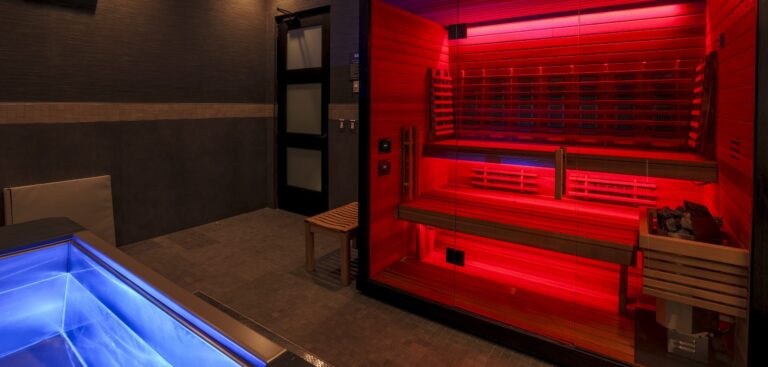
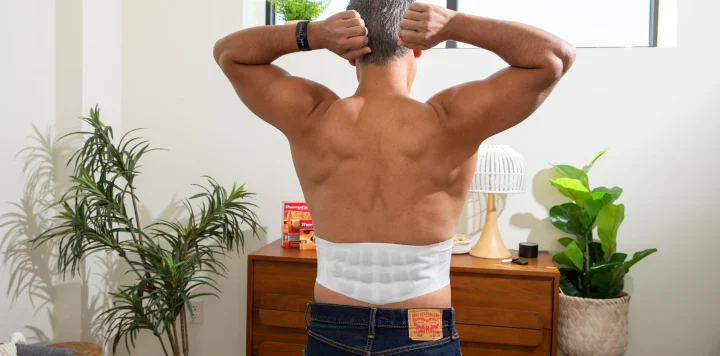
🔥 Heat Therapy
Best after 24–48 hours.
Relaxes tight muscles and improves blood flow.
Options:
- Warm bath
- Heating pad
- Sauna
8️⃣ Supplements That May Help
Supplements are not magic, but they support recovery.
✔ Whey Protein
Speeds up muscle repair.
✔ Creatine
Improves muscle recovery and strength.
✔ Omega-3
Reduces inflammation.
✔ Magnesium
Helps reduce muscle cramps.
✔ BCAAs
May reduce soreness (mixed research).
Always consult a professional before starting supplements.
9️⃣ Avoid These Recovery Mistakes
❌ Skipping post-workout meal
❌ Sleeping less than 6 hours
Training legs again too soon
❌ Ignoring hydration
Overstretching aggressively
❌ Staying completely inactive
Recovery is as important as training.
10️⃣ Sample 48-Hour Leg Day Recovery Plan
Immediately After Workout:
- Protein + carbs
- Drink water
- Light stretching
Same Evening:
- Foam rolling
- Anti-inflammatory meal
- 8 hours sleep
Next Day:
- 20-minute light walk
- Hydration
- Gentle mobility
48 Hours Later:
- Heat therapy
- Resume upper body workout
How Long Does Leg Day Recovery Take?
- Beginner: 2–4 days
- Intermediate: 48–72 hours
- Advanced: 24–48 hours
The more consistent you train, the faster your body adapts.
Flesch Reading Ease
This article is written in clear, simple language.
Estimated Flesch Reading Ease: 70–75 (Easy to Read)
Short sentences.
Simple vocabulary.
Clear structure.
FAQs
1. Why are my legs more sore than other muscles?
Leg muscles are larger and work harder during compound lifts like squats and lunges.
2. Should I train legs when still sore?
Light soreness is fine. Severe soreness means you need more recovery time.
3. Does protein really reduce soreness?
Protein helps repair muscle tissue, which can reduce recovery time.
4. Are ice baths necessary?
Not necessary, but they may reduce inflammation after intense sessions.
5. Can I speed up recovery naturally?
Yes. Sleep, hydration, nutrition, and active recovery are natural methods.
6. Is DOMS a sign of a good workout?
Not always. Soreness means stress, but progress depends on consistency.
Conclusion
Leg day builds strength, power, and muscle mass. But growth happens during recovery.
To recover faster after leg day:
- Eat enough protein and carbs
- Stay hydrated
- Sleep 7–9 hours
- Use active recovery
- Stretch and foam roll
- Avoid overtraining
Remember, training breaks muscle down. Recovery builds it back stronger.
If you want consistent progress, treat recovery as seriously as your workout.
Strong legs. Smart recovery. Better results. 💪
About the Author