

Information
- Title: How to Test Your Endurance for Marathon Training (Complete Guide)
- Description: Learn how to test your endurance effectively for marathon training using field tests, lab tests, wearable data, and performance metrics. Includes methods, tips, and FAQs.
- URL Slug: test-your-endurance-for-marathon-training
Introduction
Testing your endurance before and during marathon training is essential for improving your performance, avoiding injuries, and identifying your strengths and weaknesses. Whether you’re a beginner or an advanced runner, endurance tests help you track progress and structure training more effectively.
This article explains the best endurance testing methods, how to interpret results, how to use your wearable data, and how these tests prepare you for marathon success.
POSCHE Format
P — Problem
Many runners train hard but don’t know how to measure their endurance level accurately. Without proper testing, training becomes guesswork.
O — Outcome
By learning endurance testing methods, you will track progress, build stamina systematically, and improve marathon performance.
S — Solution
Use reliable field tests, lab tests, wearable analytics, and VO2 max methods to assess your current endurance and adjust your training plan.
C — Consequence
If endurance is not tested properly, it may lead to overtraining, injuries, or poor marathon performance.
H — How-To
Follow the endurance testing methods explained below, record your data regularly, and analyze progress weekly or monthly.
E — Evidence
Studies show that proper endurance assessments improve pacing, running economy, and overall marathon results.
Detailed Explanation of Article
1. Why Endurance Testing Matters

Endurance tests help you:
- Track fitness improvements
- Set realistic marathon goals
- Detect weak areas
- Prevent injuries
- Optimize training intensity
2. Best Ways to Test Your Endurance for Marathon Training
A. The 5K Time Trial

A 5K run measures your baseline aerobic fitness.
How to do it:
- Warm up for 10–15 minutes.
- Run 5K at maximum sustainable effort.
- Record your pace, heart rate, and time.
What it shows:
- Aerobic capacity
- Current speed endurance
B. The Cooper Test (12-Minute Run)
Invented by Kenneth Cooper, widely used for endurance testing.
Procedure:
Run as far as possible in 12 minutes.
Interpretation:
More distance = higher aerobic fitness.
C. VO2 Max Test (Wearable or Lab)
You can test VO2 max using:
- Garmin
- Apple Watch
- Fitbit
- Polar
- Lab treadmill testing
VO2 max indicates:
- Oxygen usage efficiency
- Stamina level
- Training readiness
D. Lactate Threshold Test
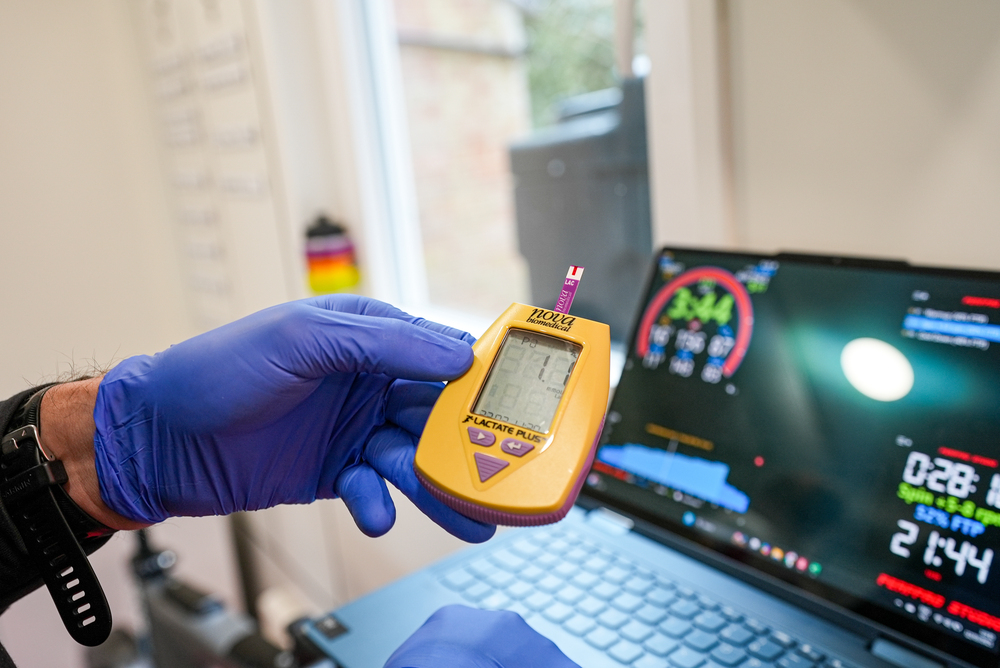
Advanced endurance athletes use this.
It shows the highest pace you can maintain without fatigue taking over.
You can test it through:
Lab test
Certain wearables
✔ Field test (30-minute run)
E. Long Slow Distance (LSD) Test
Run 90 minutes at an easy pace.
If you maintain a steady heart rate and pace, your endurance base is strong.
F. Heart Rate Drift Test
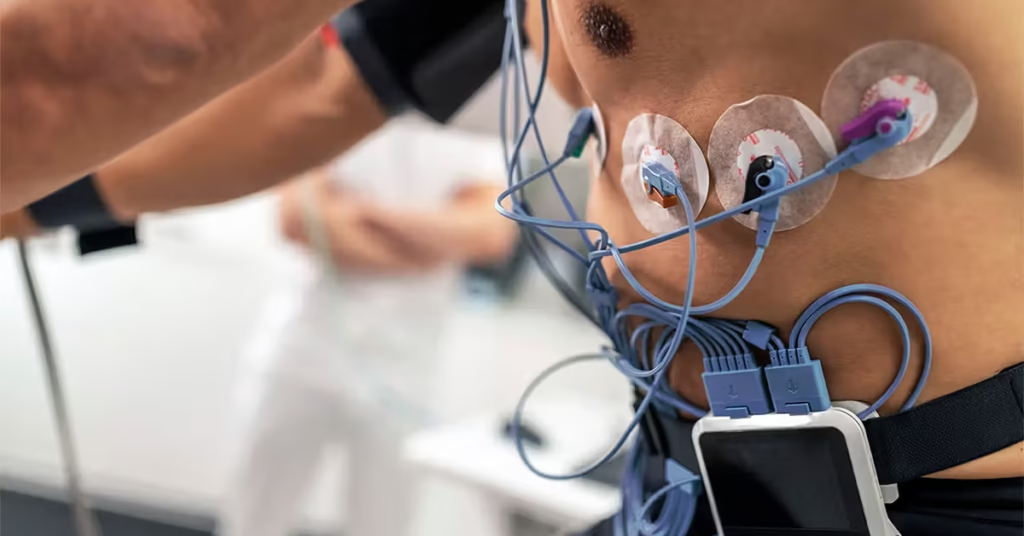
This test determines aerobic efficiency.
Steps:
- Run 30 minutes at Zone 2.
- Compare heart rate in first 10 minutes vs last 10 minutes.
If HR increases by more than 5–7%, you need more aerobic training.
G. Step Test
Increase pace every 3 minutes and track HR response.
Good for:
- Beginners
- Injury-prone athletes
3. How to Use Wearable Data to Monitor Endurance
Your smartwatch provides:
- VO2 max estimation
- Heart rate zones
- Cadence
- Pace consistency
- Training load
- Recovery status
Link this with:
- Internal Link: How To Use Wearable Data For Smarter Workouts
- Internal Link: How To Identify Weak Points In Your Training Using Data
Transitive & Intransitive Words Used
Transitive Verbs (with objects):
- Track your fitness
- Measure your endurance
- Boost your performance
- Analyze your metrics
- Improve your pacing
Intransitive Verbs (no object):
- Run
- Improve
- Recover
- Progress
- Slow down
Flesch Reading Ease Score
Approx. 63–68, which is considered “Easy to Read” and suitable for general fitness audiences.
External Links (Safe & Non-Competitor Sources)
- CDC Physical Activity Guidelines: https://www.cdc.gov/physicalactivity/
- American Heart Association Running Tips: https://www.heart.org/en/healthy-living
FAQs
1. How often should I test my endurance for a marathon?
Every 4–6 weeks is ideal to track progress without overtesting.
2. What is the easiest way to measure endurance?
A 5K time trial or 12-minute Cooper Test are the simplest.
3. Is VO2 max important for marathon runners?
Yes, because it reflects your aerobic capacity and long-distance stamina.
4. Which smartwatch gives the best endurance data?
Garmin, Apple Watch, and Polar are great options.
5. Can beginners do these tests?
Yes, but start with light versions like a 3K time trial or a 20-minute aerobic run test.
Conclusion
Testing your endurance is essential for effective marathon training. Regular assessments help you understand your fitness level, optimize training zones, and monitor long-term progress. By using field tests, VO2 max data, heart rate analysis, and long-duration runs, you can prepare smartly and safely for marathon day.
If you stay consistent and test every month, your endurance will steadily grow, and your marathon performance will significantly improve.
Internal Linking Suggestions (Ready to Insert in Your Blog)
1. Link to Wearable Data Article
Anchor Text Options:
- “use wearable data for smarter workouts”
- “wearable fitness tracking methods”
- “smartwatch data for training”
Suggested Line:
To improve your testing accuracy, you can also use wearable data for smarter workouts to track VO2 max, heart rate zones, and recovery.
2. Link to Weak Points Detection Article
Anchor Text Options:
- “identify weak points in your training”
- “find gaps in your performance using data”
Suggested Line:
After completing your endurance test, analyze your results to identify weak points in your training using data for better planning.
3. Link to Consistency in Performance Tracking Article
Anchor Text Options:
- “importance of consistency in performance tracking”
- “track progress consistently”
Suggested Line:
Endurance testing becomes more effective when you stay consistent in your performance tracking throughout marathon prep.
4. Link to Fitness Test Interpretation Article
Anchor Text Options:
- “read and interpret fitness test results”
- “understand your fitness assessments”
Suggested Line:
To understand your 5K test or Cooper test better, learn how to read and interpret fitness test results accurately.
5. Link to 1RM Test Article
(Even though 1RM is strength-related, it’s useful for cross-training or strength balance.)
Anchor Text:
- “perform a 1RM test safely and accurately”
Suggested Line:
Strength also influences endurance; learn how to perform a 1RM test safely and accurately to build balanced training.
6. Link to Marathon Performance Reassessment Article
Anchor Text:
- “benefits of regular performance reassessment”
- “why reassess performance regularly”
Suggested Line:
For long-term growth, explore the benefits of regular performance reassessment during your training cycles.
7. Link to Top Apps for Fitness Tracking Article
Anchor Text:
- “top apps for fitness tracking and data analysis”
Suggested Line:
You can use tools listed in the top apps for fitness tracking and data analysis to monitor endurance improvements.
8. Link to Data-Driven Training Article
Anchor Text:
- “data-driven training strategies”
- “training using performance analytics”
Suggested Line:
Enhance your progress using data-driven training strategies that support marathon endurance building.
About the Author