Meta Information
Title: How To Write Podcast Scripts That Sound Natural (Step-by-Step Guide)
Meta Description: Learn how to write podcast scripts that sound natural, engaging, and conversational. This complete guide covers structure, tone, pacing, examples, FAQs, and internal linking best practices.
Focus Keyword: write podcast scripts that sound natural
URL Slug: /write-podcast-scripts-that-sound-natural/
Introduction
Writing a podcast script is not the same as writing a blog post or an essay. Many podcasters struggle because their scripts sound robotic, over-written, or too formal when spoken aloud. As a result, listeners lose interest quickly.
However, when done correctly, a podcast script can guide your message while still sounding natural and conversational.
In this article, you will learn how to write podcast scripts that sound natural, engaging, and easy to listen to. We will cover proven techniques, structure, tone, pacing, and common mistakes. By the end, you will know how to write scripts that feel like real conversations—not readings.
👉 If you are just starting, you may also like:
How To Name Your Podcast For SEO And Branding
Why Natural-Sounding Podcast Scripts Matter
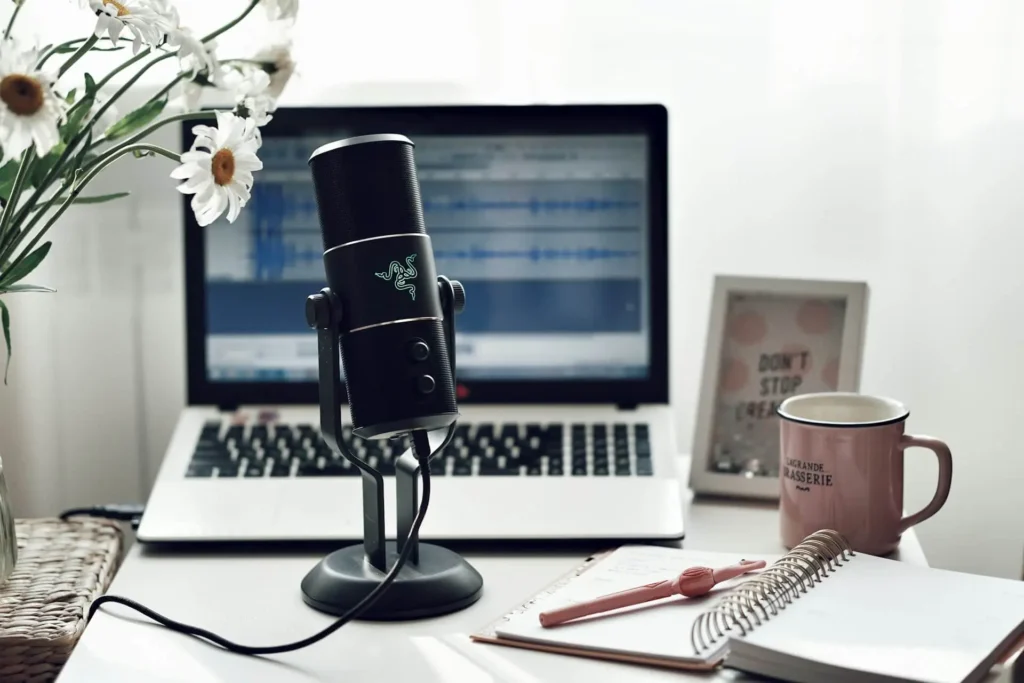
A podcast is an audio-first experience. Unlike blogs, listeners cannot skim or reread.
When scripts sound unnatural:
- Listeners feel disconnected
- Retention drops
- Engagement decreases
- Your authority weakens
On the other hand, natural scripts:
- Build trust
- Feel authentic
- Improve listener retention
- Strengthen your brand voice
This is why professional podcasters script smartly—not rigidly.
Problem: Why Most Podcast Scripts Sound Robotic
Many podcasters make the same mistakes:
- Writing full paragraphs like blog posts
- Using complex sentences
- Reading word-for-word
- Avoiding pauses and emotion
- Overloading information
Because of this, the delivery feels forced.
Solution: Write scripts the way people actually speak.
Step-by-Step: How To Write Podcast Scripts That Sound Natural
1. Start With a Clear Outline (Not a Full Script)

Instead of writing every word, begin with a simple outline:
- Hook
- Introduction
- Main talking points
- Examples or stories
- Call to action
This approach gives you direction without restricting your natural flow.
👉 Related guide:
How To Create A Podcast Content Calendar
2. Write Like You Speak
One golden rule:
If you wouldn’t say it out loud, don’t write it.
Tips:
- Use short sentences
- Use contractions (you’re, it’s, don’t)
- Avoid academic language
- Keep words simple
Example:
❌ “Podcast scripting requires strategic content planning.”
✅ “You need a simple plan before you start recording.”
3. Use Conversational Formattinghttps://business.linkedin.com/advertise/ads/sponsored-messaging/conversation-ads/specs
Your script should look different from a blog post.
Use:
- Bullet points
- Short lines
- One idea per sentence
- Spacing for pauses
This makes it easier to glance at while recording.
4. Add Natural Pauses and Emphasis
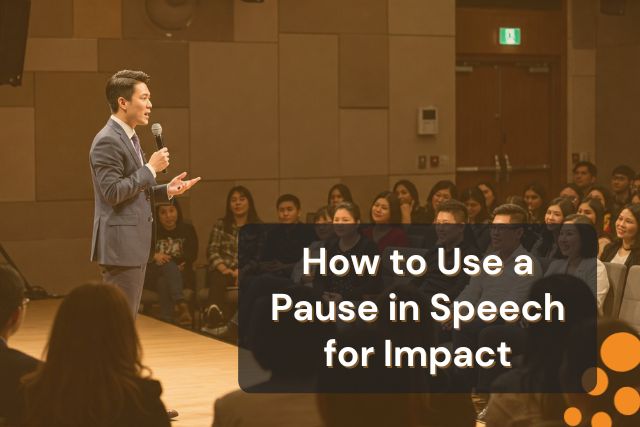
Pauses are powerful in audio.
Add notes like:
- (pause)
- (slow down)
- (emphasize this point)
This helps your delivery feel relaxed and human.
5. Include Personal Stories and Examples
Stories make your script sound real.
Ask yourself:
- What experience can I share?
- mistake did I make?
- What lesson did I learn?
Personal stories increase listener connection and trust.
👉 Internal link suggestion:
How To Choose The Perfect Podcast Niche
6. Write for the Ear, Not the Eye
Podcast listeners cannot see text.
So:
- Repeat key ideas naturally
- Avoid long lists
- Explain complex ideas simply
- Use signposting phrases
Examples:
- “Here’s the key takeaway…”
- “Let me explain this quickly…”
- “This is important…”
7. Use a Hook That Sounds Natural
Your opening should feel like a conversation, not an announcement.
Example Hook:
“Have you ever listened to a podcast and thought, this sounds like someone reading a script? Today, I’ll show you how to avoid that.”
8. Don’t Fear Improvisation
A script is a guide, not a prison.
It’s okay to:
- Go off-script briefly
- React naturally
- Adjust your tone
Some of the best moments come from spontaneous thoughts.
9. Practice Reading Aloud Before Recording

Always read your script out loud.
Ask:
- Does this sound natural?
- Do I stumble over words?
- Is the sentence too long?
Edit until it flows smoothly.
10. End With a Natural Call-To-Action
Avoid sounding salesy.
Natural CTA Example:
“If you found this helpful, follow the podcast and share it with someone who’s starting their own show.”
PAS Formula Applied to Podcast Scripts
Problem: Scripts sound robotic
Agitation: Listeners lose interest and stop listening
Solution: Write conversational scripts designed for audio
This simple framework helps structure engaging episodes.
Flesch Reading Ease Tips for Podcast Scripts
To keep your script easy to understand:
- Use common words
- Keep sentences under 20 words
- Avoid jargon
- Speak at an 8th-grade reading level
Tools like Hemingway Editor can help.
Common Mistakes To Avoid
- Writing word-for-word scripts
- Over-editing your voice
- Sounding too formal
- Ignoring pacing
- Reading without emotion
Avoid these, and your podcast will instantly sound better.
FAQs: Writing Natural Podcast Scripts
1. Should I write a full script or bullet points?
Bullet points work best for natural delivery, especially for solo podcasts.
2. How long should a podcast script be?
It depends on episode length, but focus on time, not word count.
3. Can scripted podcasts still sound natural?
Yes. Many top podcasts use scripts—but they’re written for speaking.
4. Do interview podcasts need scripts?
Yes, at least for introductions, transitions, and closing statements.
5. How do I improve my podcast delivery?
Practice, listen to your recordings, and refine your scripts over time.
Conclusion
Learning how to write podcast scripts that sound natural is a game-changer for any podcaster. A good script guides your message without killing your personality.
By writing conversationally, using outlines, adding pauses, and practicing aloud, you can create episodes that feel authentic and engaging.
Remember:
🎙️ Your goal is not to sound perfect—your goal is to sound real.
👉 Next, explore:
How To Build A Long-Term Podcast Performance Tracking Plan
About the Author