

Information (SEO)
Meta Title: Key Metrics Every Athlete Should Track in 2025 for Peak Performance
Meta Description: Discover the most important performance, recovery, and health metrics every athlete should track in 2025 to improve training, prevent injury, and maximize results.
Focus Keyword: key metrics athletes should track
URL Slug: /key-metrics-every-athlete-should-track-2025/
Introduction
In 2025, athletic success is no longer based on guesswork or instinct alone. Modern athletes rely on data-driven training to improve performance, avoid injury, and recover faster. From beginners to elite competitors, tracking the right metrics helps athletes train smarter, not harder.
Wearable technology, AI-powered analytics, and advanced testing tools have made it easier than ever to monitor the body in real time. However, tracking everything is not the goal. The key is focusing on the most meaningful metrics that directly impact performance and health.
This article explains the key metrics every athlete should track in 2025, why they matter, and how to use them effectively.
Why Tracking Athletic Metrics Matters

Tracking metrics allows athletes to:
- Identify strengths and weaknesses
- Prevent overtraining and injury
- Optimize recovery and sleep
- Improve consistency and long-term progress
- Make informed training decisions
Without data, athletes often train blindly. With the right metrics, every workout has purpose.
1. Heart Rate Variability (HRV)
What it is:
HRV measures the variation in time between heartbeats.
Why it matters:
HRV reflects nervous system balance and recovery status. A higher HRV usually means your body is well-recovered and ready to train.
How to use it:
- Low HRV → prioritize recovery or light training
- High HRV → suitable for intense sessions
Best tools: WHOOP, Oura Ring, Garmin, Polar
2. Resting Heart Rate (RHR)

What it is:
The number of heartbeats per minute at complete rest.
Why it matters:
A rising RHR can signal fatigue, stress, illness, or overtraining.
Ideal use:
Track daily trends instead of single readings.
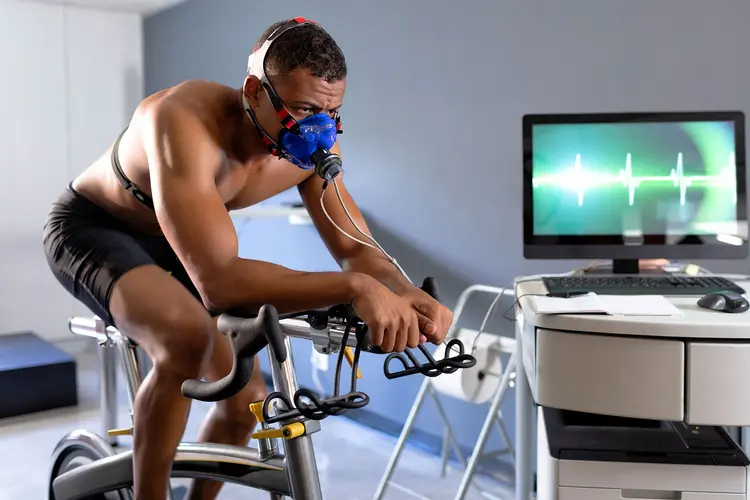
3. VO₂ Max
What it is:
The maximum amount of oxygen your body can use during exercise.
Why it matters:
VO₂ max is a strong indicator of cardiovascular fitness and endurance capacity.
Who should track it:
- Runners
- Cyclists
- Swimmers
- Team sport athletes
4. Training Load

What it is:
The total physical stress placed on the body over time.
Key components:
- Volume (time or distance)
- Intensity
- Frequency
Why it matters:
Tracking training load prevents overtraining and ensures progressive improvement.
5. Sleep Quality and Durationhttps://www.thensf.org/what-is-sleep-quality/
What it is:
Total sleep time plus sleep stages (deep, REM, light sleep).
Why it matters:
Sleep is the most powerful recovery tool. Poor sleep reduces strength, speed, focus, and immune function.
Target:
7–9 hours of quality sleep per night.
6. Body Composition

What it is:
The ratio of fat mass to lean muscle mass.
Why it matters:
Performance depends more on body composition than body weight.
Best methods:
- DEXA scan
- Bioelectrical impedance
- Skinfold testing
7. Power Output
What it is:
The amount of force produced over time.
Why it matters:
Power is critical for sprinting, cycling, jumping, and explosive sports.
Common metrics:
- Watts (cycling)
- Jump height
- Peak force
8. Speed and Acceleration
What it is:
How fast you move and how quickly you reach top speed.
Why it matters:
Speed is a decisive factor in many sports including football, athletics, and basketball.
How to track:
GPS trackers, sprint timing gates, smart apps.
9. Movement Quality and Mobility
What it is:
Joint range of motion, balance, and movement efficiency.
Why it matters:
Poor movement increases injury risk and limits performance.
Key assessments:
- Squat depth
- Hip mobility
- Shoulder range of motion
10. Recovery Metrics
What they include:
- Muscle soreness
- Fatigue levels
- Recovery score (from wearables)
Why they matter:
Recovery metrics guide training intensity and rest days.
How to Use Metrics Effectively (POSCHE Format)
Problem
Athletes often train without understanding their body’s limits.
Outcome
This leads to plateaus, injuries, and burnout.
Solution
Track meaningful performance and recovery metrics consistently.
Change
Adjust training based on data, not emotion.
Habit
Review metrics weekly and monthly, not obsessively daily.
Evaluation
Compare trends over time, not single numbers.
Internal Links (Example)
- How To Benchmark Your Fitness Level Against Standards
- Data-Driven Training: How To Adjust Workouts Based On Metrics
- How To Use Biofeedback To Enhance Athletic Focus
External Links (Authority Sources)
- American College of Sports Medicine (ACSM) – Training Guidelines
- World Health Organization (WHO) – Physical Activity Standards
- National Strength and Conditioning Association (NSCA)
FAQs
Q1: Should beginners track all these metrics?
No. Beginners should focus on heart rate, sleep, and training consistency first.
Q2: Are wearables accurate?
Most modern wearables are accurate enough for trend analysis, which matters more than exact numbers.
Q3: How often should athletes review their data?
Weekly reviews work best for most athletes.
Q4: Can tracking too many metrics be harmful?
Yes. Tracking too much data can cause stress and confusion. Focus on relevance.
Q5: What is the most important metric overall?
Recovery metrics like HRV and sleep often have the greatest impact on long-term performance.
Conclusion
In 2025, the best athletes are not just harder workers—they are smarter planners. Tracking the right metrics helps athletes optimize training, improve recovery, and stay injury-free. The goal is not perfection but progress.
By focusing on meaningful data such as HRV, sleep, training load, and movement quality, athletes can unlock consistent improvement and sustainable performance for years to come.
Train smart. Track wisely. Perform better.
About the Author