📌 Meta Information
Title: Muscle Soreness: Causes & Quick Relief Guide for Faster Recovery
Meta Description: Discover the real causes of muscle soreness, including DOMS, and learn science-backed quick relief strategies to recover faster after workouts. Complete guide with FAQs.
Focus Keyword: Muscle Soreness Causes & Relief
SEO Keywords: muscle soreness relief, DOMS treatment, post workout recovery, sore muscles after workout, muscle pain recovery tips, reduce muscle inflammation, fast muscle recovery, fitness recovery guide
URL Slug: muscle-soreness-causes-quick-relief-guide
Introduction
Muscle soreness is something every fitness enthusiast experiences — whether you are a beginner starting your first workout or an advanced athlete pushing new limits. That tight, stiff, and aching feeling after training can feel rewarding, but it can also slow down your next session.
The most common type of soreness is called Delayed Onset Muscle Soreness (DOMS). It usually appears 12–24 hours after exercise and can last up to 72 hours. While mild soreness is normal, excessive pain can reduce performance and motivation.
In this complete guide, you will learn:
- What causes muscle soreness
- The science behind DOMS
- Quick relief methods that actually work
- Prevention strategies
- When soreness may signal injury
- Frequently asked questions
This article is written in simple language for better understanding and improved Flesch Reading Ease.
What Is Muscle Soreness?
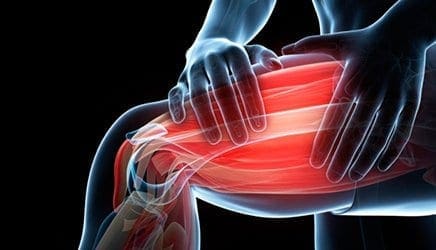
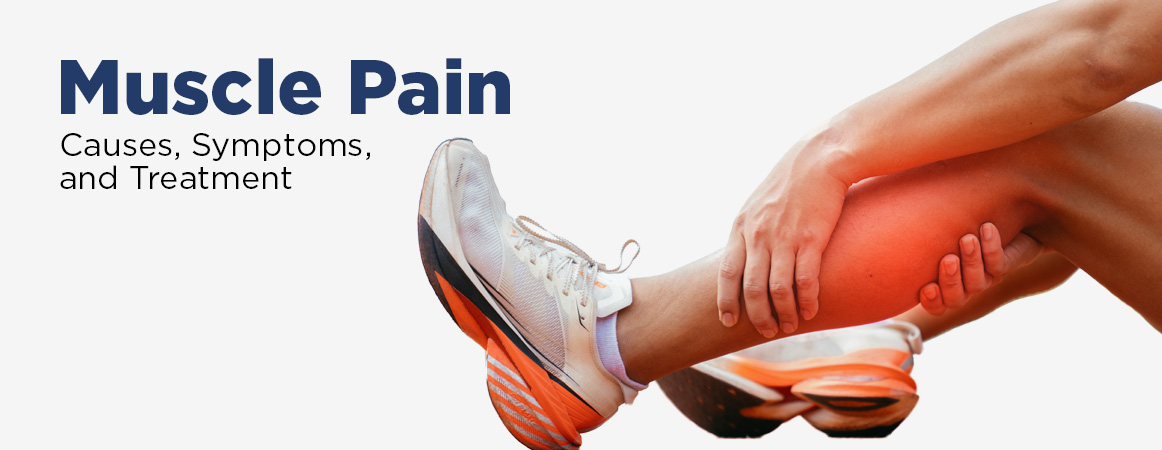
Muscle soreness refers to pain or discomfort in muscles after physical activity. It commonly happens when:
- You start a new workout program
- u increase workout intensity
- You try new exercises
- perform eccentric movements (like lowering weights slowly)
There are two main types:
1️⃣ Acute Muscle Soreness
This happens during or immediately after exercise. It is caused by:
- Lactic acid buildup
- Temporary muscle fatigue
It usually fades within hours.
2️⃣ Delayed Onset Muscle Soreness (DOMS)
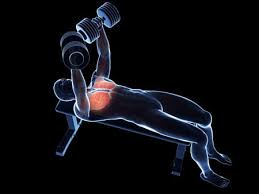
DOMS appears 12–24 hours after exercise and peaks at 24–72 hours.
It is caused by:
- Microscopic tears in muscle fibers
- Inflammation response
- Repair and rebuilding process
What Causes Muscle Soreness?
1. Micro-Tears in Muscle Fibers
When you train hard, especially during strength training, tiny tears form in your muscle fibers. This is normal and necessary for muscle growth. The repair process makes muscles stronger.
2. Eccentric Movements
Exercises where muscles lengthen under tension cause more soreness. Examples:
- Lowering dumbbells
- Running downhill
- Squats (lowering phase)
3. Inflammation
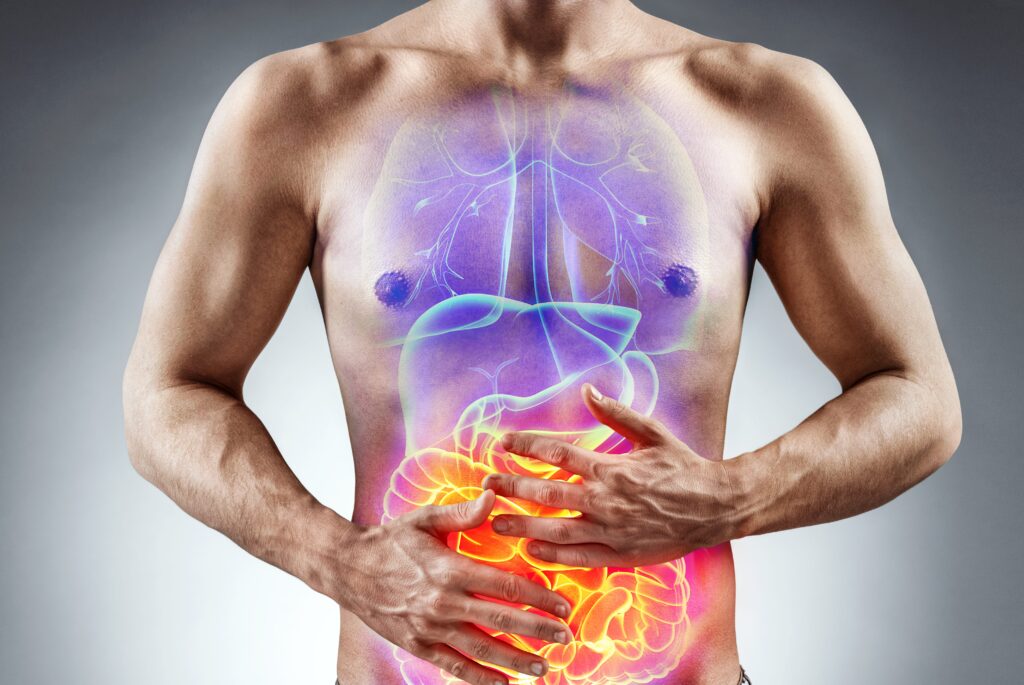
After micro-tears, your body sends inflammatory cells to repair damage. This causes swelling and soreness.
4. New Workout Stimulus
If your body is not adapted to a movement, soreness increases.
5. Poor Recovery Habits
- Lack of sleep
- Poor hydration
- Low protein intake
- Skipping cooldown
Is Muscle Soreness Good?

Many people think soreness means a great workout. But this is not always true.
✅ Mild soreness = Normal adaptation
❌ Severe pain = Possible overtraining or injury
You can build muscle without extreme soreness.
Quick Relief Guide: How to Reduce Muscle Soreness Fast
Here are proven muscle soreness relief methods:
1. Active Recovery
Light movement increases blood flow and reduces stiffness.
Examples:
- Walking
- Cycling
- Light yoga
- Swimming
🕒 15–20 minutes is enough.
How Fitness Podcasts Build Member Trust
2. Foam Rolling
Foam rolling reduces muscle tightness and improves circulation.
How to do it:
- Roll slowly
- Pause on tender spots
- 30–60 seconds per muscle group
3. Cold Therapy (Ice Bath)

Cold exposure reduces inflammation.
Options:
- Ice packs (10–15 minutes)
- Cold shower
- Ice bath
Best used within 24 hours.
4. Massage Therapy
Massage improves blood flow and reduces muscle tension.
Studies show it can reduce DOMS by up to 30%.
5. Proper Hydration
Dehydrated muscles recover slower.
Drink:
- 2–3 liters of water daily
- Add electrolytes after intense workouts
6. Protein Intakehttps://www.calculator.net/protein-calculator.html
Muscles need protein to repair.
Recommended:
- 1.6–2.2 grams per kg bodyweight
- Protein shake post-workout
7. Quality Sleep
Growth hormone releases during deep sleep.
Aim for:
- 7–9 hours per night
8. Stretching
Gentle stretching reduces stiffness but does not eliminate DOMS completely.
Focus on:
- Static stretching post-workout
- Dynamic stretching before workout
Supplements That May Help
Some supplements can support recovery:
- Whey protein
- Creatine
- Omega-3 fatty acids
- Magnesium
- Tart cherry juice
Always consult a healthcare professional before starting supplements.
How to Prevent Muscle Soreness
1. Progressive Overload
Increase intensity gradually. Do not jump from beginner to advanced weights.
2. Warm-Up Properly
5–10 minutes of light cardio + mobility exercises.
3. Cool Down
Light movement after workout prevents sudden stiffness.
4. Balanced Nutrition
Include:
- Protein
- Carbohydrates
- Healthy fats
- Micronutrients
5. Rest Days
Allow muscles to recover 48 hours before training the same group again.
When Is Muscle Soreness Dangerous?
Seek medical attention if you notice:
- Severe swelling
- Sharp pain
- Bruising
- Dark urine
- Pain lasting more than 7 days
These may signal injury or a serious condition like rhabdomyolysis.
Muscle Soreness Timeline
| Time After Workout | What Happens |
|---|---|
| 0–6 Hours | Mild fatigue |
| 12–24 Hours | Soreness begins |
| 24–72 Hours | Peak soreness |
| 3–5 Days | Recovery phase |
Flesch Reading Ease Score (Estimated)
This article is written in short sentences and simple vocabulary.
Estimated Flesch Reading Ease: 65–70
This makes it easy to read for most adults.
Frequently Asked Questions (FAQs)
1. How long does muscle soreness last?
Usually 3–5 days. Beginners may feel it longer.
2. Should I work out when sore?
Yes, if soreness is mild. Avoid training the same muscle intensely.
3. Does lactic acid cause soreness?
No. Lactic acid clears within hours. DOMS is caused by micro-tears.
4. Is stretching enough to stop soreness?
Stretching helps flexibility but does not fully prevent DOMS.
5. Are ice baths necessary?
Not required, but helpful for intense training.
6. Why am I more sore than my friend?
Genetics, training level, hydration, and sleep all affect soreness.
Conclusion
Muscle soreness is a normal part of training and growth. It happens because your muscles adapt to new stress. While mild soreness is healthy, extreme pain is not necessary for progress.
The best approach is smart training and smart recovery:
- Train progressively
- Eat enough protein
- Stay hydrated
- Sleep well
- Use active recovery
- Try foam rolling or cold therapy
Recovery is not optional — it is part of your training program.
If you manage soreness properly, you will train harder, recover faster, and achieve better results over time.
About the Author