Meta Information
- Title: Power Naps for Athletes: Boost Performance, Recovery & Focus
- Meta Description: Discover how power naps enhance athletic performance, speed up recovery, and improve mental focus. Learn the science, timing, and best strategies for effective napping.
- URL Slug: power-naps-for-athletes-benefits-timing-guide
Introduction
In the world of sports and fitness, athletes are always searching for an edge—something that improves performance, speeds recovery, and sharpens focus. While training, nutrition, and supplementation get most of the attention, one of the most powerful tools is often overlooked: sleep.
More specifically, power naps.
A power nap is a short sleep session, usually lasting between 10 to 30 minutes, designed to quickly recharge the body and mind without causing grogginess. For athletes who push their bodies to the limit, power naps can act as a secret weapon—helping restore energy, improve reaction time, and accelerate muscle recovery.
In this article, we’ll explore everything you need to know about power naps for athletes, including the science behind them, their benefits, optimal timing, and how to use them effectively.
What Is a Power Nap?
A power nap is a brief period of sleep taken during the day, typically lasting:
- 10–20 minutes (ideal for alertness and energy)
- 20–30 minutes (for slightly deeper recovery)
Unlike long naps, power naps are designed to avoid entering deep sleep stages, which can cause sleep inertia (that groggy feeling after waking).
The Science Behind Power Naps

Sleep is divided into multiple stages:
- Stage 1 (Light Sleep): Transition phase
- 2 (Light Sleep): Body temperature drops, heart rate slows
- Stage 3 (Deep Sleep): Physical recovery and muscle repair
- REM Sleep: Cognitive restoration and memory processing
Power naps mainly target Stage 1 and Stage 2, which are enough to:
- Restore alertness
- Improve cognitive function
- Reduce fatigue
Even a short nap can significantly improve brain function and physical readiness.
Benefits of Power Naps for Athletes
1. Enhanced Physical Performance
Power naps help restore energy levels, allowing athletes to:
- Perform better in training sessions
- Maintain endurance
- Improve strength output
Studies show that athletes who nap perform better in sprinting, reaction tasks, and endurance activities.
2. Faster Muscle Recovery

During sleep, the body releases growth hormones that:
- Repair muscle tissue
- Reduce inflammation
- Support muscle growth
Even short naps can contribute to recovery, especially when combined with proper nighttime sleep.
3. Improved Mental Focus and Reaction Time
Athletes rely heavily on mental sharpness. Power naps can:
- Improve decision-making
- Enhance coordination
- Boost reaction speed
This is especially important in sports like football, cricket, boxing, and tennis.
4. Reduced Fatigue and Burnout

Intense training can lead to:
- Physical exhaustion
- Mental fatigue
- Decreased motivation
Power naps act as a reset button, helping athletes feel refreshed and ready to perform again.
5. Better Mood and Stress Reduction
Napping helps regulate stress hormones like cortisol, leading to:
- Improved mood
- Lower anxiety
- Better emotional control
This is crucial for maintaining consistency in training.
6. Compensation for Poor Night Sleep
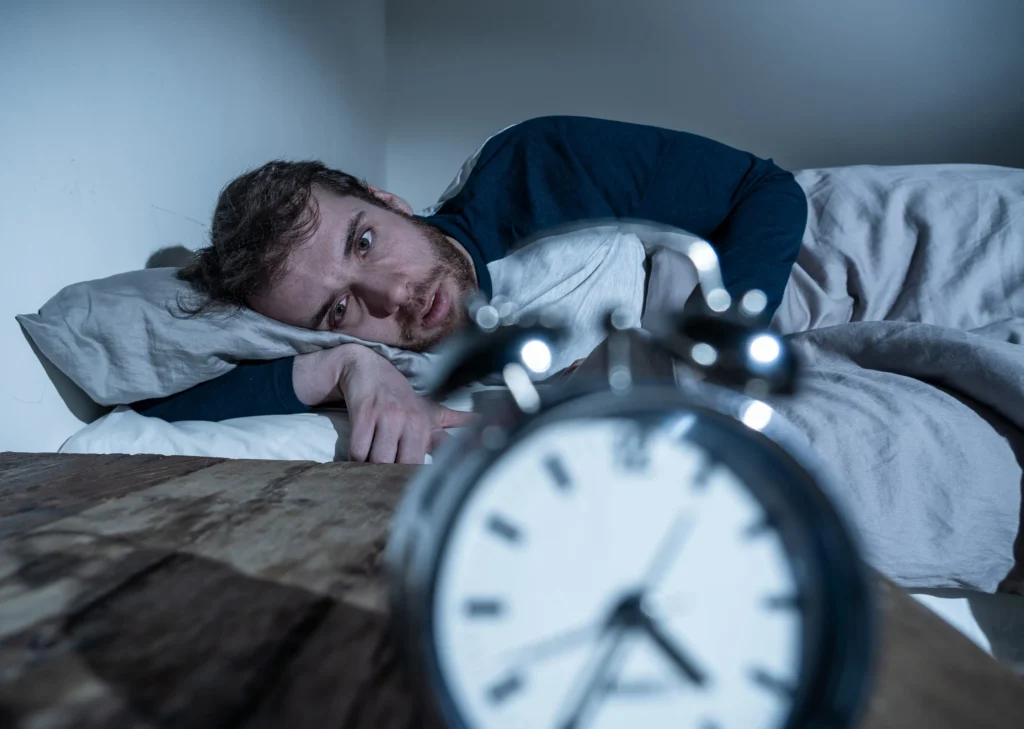
If an athlete doesn’t get enough sleep at night, power naps can:
- Reduce sleep debt
- Improve alertness
- Prevent performance decline
However, naps should not replace proper nighttime sleep.
Ideal Power Nap Duration for Athletes
10–20 Minutes (Best Option)
- Quick energy boost
- No grogginess
- Improves alertness and focus
20–30 Minutes
- Slightly deeper rest
- Good for recovery
- Risk of mild grogginess
60–90 Minutes (Full Sleep Cycle)
- Includes deep sleep and REM
- Great for recovery and memory
- Best used when time allows
Best Time to Take a Power Nap
The ideal nap time is:
Early Afternoon (1:00 PM – 3:00 PM)
Why?
- Natural dip in energy levels
- Aligns with circadian rhythm
- Does not interfere with nighttime sleep
Avoid napping:
- Late evening
- Close to bedtime
How to Take the Perfect Power Nap
https://keepitshort.net/1. Keep It Short
Set an alarm for 20 minutes to avoid deep sleep.
2. Create a Comfortable Environment
- Quiet space
- Dim lighting
- Comfortable position
3. Use a Pre-Nap Routine

- Relax your body
- Practice deep breathing
4. Try the “Coffee Nap” Trick
Drink coffee before napping. Caffeine kicks in after 20–30 minutes, helping you wake up more alert.
5. Be Consistent
Napping at the same time daily improves results.
How Fitness Podcasts Build Member Trust
Power Naps and Athletic Performance
Strength Training
- Improves lifting performance
- Enhances muscle recovery
Endurance Sports
- Boosts stamina
- Reduces perceived effort
Skill-Based Sports
- Improves accuracy
- Enhances reaction time
Common Mistakes Athletes Make
1. Napping Too Long
Leads to grogginess and disrupted sleep cycles.
2. Napping Too Late
Can interfere with nighttime sleep.
3. Relying Only on Naps
Power naps are a supplement, not a replacement for proper sleep.
4. Poor Sleep Environment
Noise and light can reduce nap effectiveness.
Power Naps vs. Full Sleep
| Feature | Power Nap | Full Night Sleep |
|---|---|---|
| Duration | 10–30 mins | 7–9 hours |
| Purpose | Quick recovery | Complete recovery |
| Benefits | Energy, focus | Muscle growth, hormone balance |
| Replacement? | No | Essential |
Flesch Reading Ease (Approximate)
- Score: 65–70
- Level: Easily understood by most readers (8th–9th grade level)
- Style: Simple sentences, clear explanations, athlete-friendly language
FAQs
1. Are power naps good for athletes?
Yes, power naps improve performance, recovery, and mental focus.
2. How long should an athlete nap?
10–20 minutes is ideal for quick recovery without grogginess.
3. Can naps replace night sleep?
No. Night sleep is essential for full recovery and hormone regulation.
4. Is it okay to nap every day?
Yes, daily naps can be beneficial if kept short and consistent.
5. Do power naps help muscle growth?
Indirectly, yes. They support recovery and hormone release.
6. What is the best time for a nap?
Early afternoon (1–3 PM) is the best time.
Conclusion
Power naps are one of the simplest yet most effective tools athletes can use to enhance performance and recovery. In just 10–20 minutes, a well-timed nap can boost energy, sharpen focus, and support muscle repair.
However, they should never replace a full night’s sleep. Instead, think of power naps as a performance enhancer—a small habit that delivers big results when used correctly.
If you’re serious about improving your athletic performance, it might be time to stop overlooking naps and start using them strategically. Your body—and your results—will
About the Author