
🧠 Meta Information
- Title: Power Output Testing: What It Is and Why It Matters
- Meta Description: Discover the importance of power output testing in athletic performance. Learn how it works, what data it provides, and how it helps athletes boost strength, endurance, and overall fitness.
- Focus Keyword: Power Output Testing
- URL Slug:
/power-output-testing-what-it-is-and-why-it-matters
🏋️♂️ Introduction
In the world of fitness and sports, Power Output Testing stands as a gold standard for measuring an athlete’s ability to produce force over time. Whether you’re a cyclist, sprinter, or strength athlete, understanding your power output gives you a quantitative insight into your true performance capacity.
This testing method doesn’t just measure strength—it assesses how effectively your muscles can generate force quickly, which is the foundation of explosive performance.
⚙️ What Is Power Output Testing?
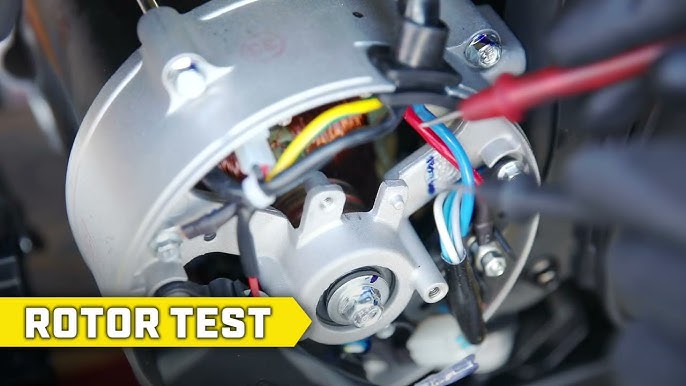
Power output testing measures the rate at which work is performed, usually expressed in watts (W). It combines force and velocity, providing a direct view of your body’s ability to produce explosive energy.
Common Power Output Tests:
- Cycle Ergometer Test (Wingate Test) – Measures peak anaerobic power over 30 seconds.
- Force Plate Jump Test – Evaluates jump height and ground reaction force.
- Rowing Ergometer Test – Assesses whole-body power production.
- Sprint Treadmill Test – Measures running power and acceleration capacity.
Each of these tests helps identify strength deficits, muscle imbalances, and areas for performance improvement.
💪 Why Power Output Matters

Power output isn’t just a number—it’s a performance indicator that influences almost every aspect of athletic success.
Key Benefits:
- Improved Training Efficiency: Pinpoints your weak areas for targeted training.
- Performance Tracking: Monitors how power changes across training cycles.
- Injury Prevention: Identifies asymmetries and muscular inefficiencies early.
- Better Game Performance: Helps athletes perform more explosively during competition.
When athletes understand their power, they can tailor workouts that maximize strength, endurance, and recovery.
📊 How to Measure and Interpret Power Output
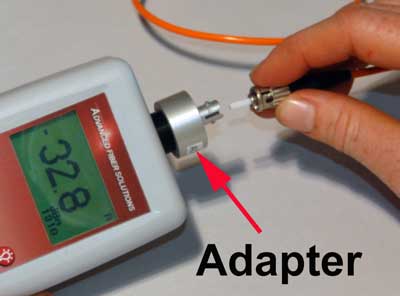
Measurement is done using specialized devices such as:
- Power Meters (cycling, rowing)
- Force Plates (jump testing)
- Linear Position Transducers (barbell velocity tracking)
Interpretation:
- Peak Power: Highest power achieved in a single effort.
- Mean Power: Average power maintained over a specific period.
- Fatigue Index: Measures how quickly performance declines during the test.
Coaches and athletes use these metrics to adjust load, volume, and recovery for optimal results.
🔗 Internal Links
For deeper understanding, explore related guides on Elite Fitness Club:
- How to Measure Your Fitness Performance Like a Pro
- The Science Behind Athlete Performance Testing
- Top 10 Performance Tests Every Athlete Should Try
🌍 External Links
To learn more from trusted sources, visit:
- National Strength and Conditioning Association (NSCA)
- Human Kinetics Journal: Power Testing Insights
- Sports Science Explained by ScienceDirect
❓ FAQs
Q1: What is a good power output score?
A good score varies depending on sport and body size, but generally, elite athletes produce between 12–20 watts per kilogram during peak performance.
Q2: Can beginners perform power output testing?
Yes! Modified tests with lower resistance or bodyweight options are ideal for beginners.
Q3: How often should I test power output?
Every 6–8 weeks is recommended to track progress and adjust training plans.
Q4: Does higher power mean better endurance?
Not always. High power reflects explosiveness, while endurance depends on how well you maintain power over time.
🏁 Conclusion
Power Output Testing is an essential component of modern athletic training. It quantifies strength, speed, and endurance, allowing you to train smarter, not just harder. By understanding and improving your power output, you can unlock your full athletic potential—one rep, sprint, or pedal stroke at a time.
About the Author





Thanks for sharing. I read many of your blog posts, cool, your blog is very good.