Meta Information
- Title: Protein Timing for Faster Recovery: Maximize Muscle Repair and Growth
- Meta Description: Discover how protein timing affects muscle recovery, performance, and growth. Learn when and how much protein to consume for optimal results.
- Focus Keyword: Protein Timing for Recovery
- URL Slug: protein-timing-for-faster-recovery
Introduction
Recovery is the foundation of progress in fitness. Whether you’re lifting weights, running, or engaging in high-intensity sports, your body undergoes stress that breaks down muscle fibers. The real magic happens after your workout—when your body repairs and rebuilds those fibers stronger than before.
One of the most important factors in this recovery process is protein timing. While total daily protein intake is crucial, when you consume protein can significantly influence how quickly and effectively your body recovers.
Protein timing refers to strategically consuming protein before, during, and after exercise to optimize muscle repair, reduce soreness, and enhance performance. In this article, we’ll explore the science behind protein timing, practical strategies, and how you can use it to accelerate your recovery.
What Is Protein Timing?
Protein timing is the practice of consuming protein at specific times throughout the day—especially around workouts—to maximize muscle protein synthesis (MPS).
Muscle protein synthesis is the process your body uses to repair and build muscle tissue. After exercise, your body becomes more sensitive to nutrients, particularly protein. This period is often referred to as the “anabolic window.”
Why Protein Timing Matters for Recovery
1. Enhances Muscle Repair

During exercise, especially resistance training, muscle fibers experience micro-tears. Protein provides amino acids, which are the building blocks needed to repair this damage.
2. Boosts Muscle Protein Synthesis (MPS)
Consuming protein at the right time stimulates MPS, helping your body rebuild muscle faster and more efficiently.
3. Reduces Muscle Soreness
Proper protein intake can reduce delayed onset muscle soreness (DOMS), allowing you to train more consistently.
4. Prevents Muscle Breakdown

Without adequate protein, your body may break down muscle tissue for energy, especially during intense or prolonged workouts.
The Anabolic Window: Myth or Reality?
The “anabolic window” refers to the short period after exercise when your body is thought to absorb nutrients more effectively.
What Science Says
- The window is not as narrow as once believed (not just 30 minutes)
- It may last up to 24–48 hours, but is most effective within the first few hours post-workout
- Immediate intake is still beneficial, especially if you trained fasted
Key Takeaway
You don’t need to panic, but consuming protein within 1–2 hours post-workout is ideal.
Pre-Workout Protein Timing
Why It Matters
Consuming protein before a workout ensures that amino acids are already available in your bloodstream during and after exercise.
Benefits
- Reduces muscle breakdown
- Improves endurance
- Supports recovery during training
What to Eat
- Chicken with rice
- Greek yogurt
- Eggs
- Protein shake
Timing
- 2–3 hours before workout: Full meal
- 30–60 minutes before: Light protein snack or shake
Post-Workout Protein Timing
Why It’s Crucialhttps://www.dailywritingtips.com/crucial-vital-essential/
After exercise, your muscles are primed to absorb nutrients. This is the most important time for protein intake.
Benefits
- Speeds up muscle repair
- Increases muscle growth
- Reduces fatigue
Best Protein Sources
- Whey protein (fast-digesting)
- Lean meats
- Eggs
- Dairy products
Recommended Intake
- 20–40 grams of protein post-workout
- Combine with carbohydrates for better recovery
Protein Before Sleep
Overnight Recovery Matters
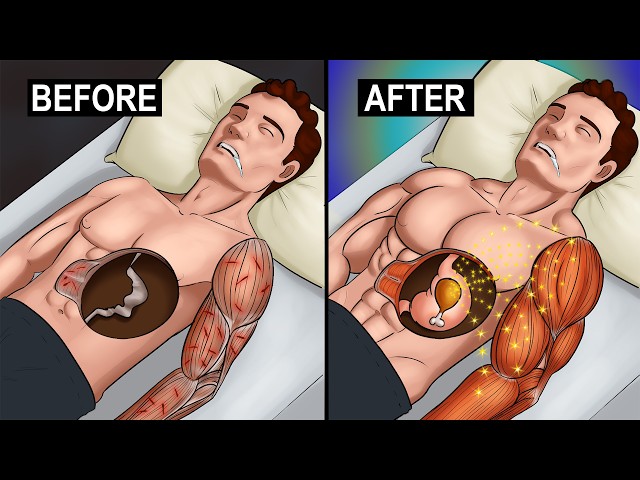
Your body continues repairing muscles while you sleep. However, you go several hours without food.
Solution: Nighttime Protein
Consuming slow-digesting protein before bed supports overnight recovery.
Best Option
- Casein protein (slow digestion)
- Cottage cheese
- Milk
Benefits
- Sustained amino acid release
- Improved muscle recovery
- Reduced muscle breakdown
Daily Protein Distribution
Instead of consuming all your protein in one or two meals, spreading it throughout the day is more effective.
Ideal Distribution
- 4–6 meals per day
- Each meal: 20–40 grams protein
Why It Works
- Maintains constant amino acid levels
- Maximizes muscle protein synthesis
- Prevents muscle breakdown
How Much Protein Do You Need?
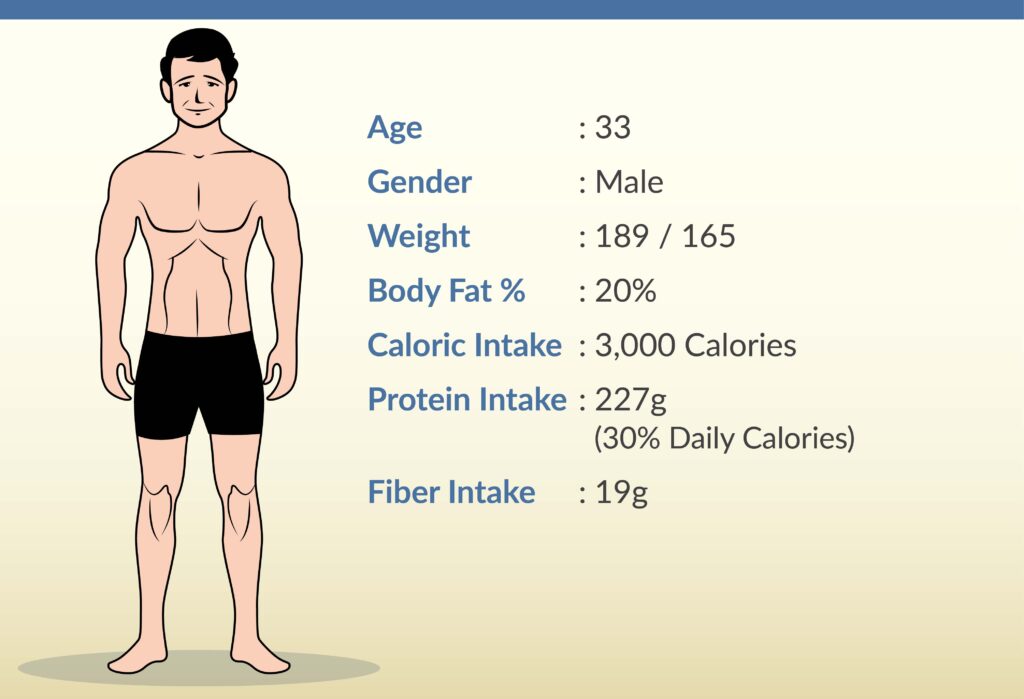
General Guidelines
- Sedentary: 0.8 g/kg body weight
- Active individuals: 1.2–2.0 g/kg
- Athletes/bodybuilders: 1.6–2.2 g/kg
Example
If you weigh 70 kg:
- Aim for 112–154 grams per day
Fast vs Slow Digesting Proteins
Fast-Digesting Proteins
- Whey protein
- Quickly absorbed
- Ideal post-workout
Slow-Digesting Proteins
- Casein
- Eggs
- Ideal before sleep
Balanced Approach
Use both types depending on timing and goals.
How Fitness Podcasts Build Member Trust
Protein Timing for Different Goals
1. Muscle Gain
- Focus on post-workout protein
- Maintain consistent intake throughout the day
2. Fat Loss
- High protein intake preserves muscle
- Helps control appetite
3. Endurance Training
- Combine protein with carbs
- Supports muscle recovery and energy replenishment
Common Mistakes to Avoid
1. Ignoring Total Protein Intake
Timing is important, but total daily intake matters more.
2. Skipping Post-Workout Nutrition

Delaying protein intake can slow recovery.
3. Relying Only on Supplements
Whole foods provide additional nutrients.
4. Uneven Protein Distribution
Eating most protein in one meal is less effective.
Sample Protein Timing Plan
Morning
- Eggs + whole grain toast
Pre-Workout
- Chicken + rice (2–3 hours before)
Post-Workout
- Whey protein shake + banana
Evening
- Fish or lean meat + vegetables
Before Bed
- Cottage cheese or casein shake
FAQs
1. Is protein timing necessary for beginners?
Not strictly, but it helps improve recovery and results over time.
2. Can I build muscle without perfect timing?
Yes, as long as total protein intake is sufficient.
3. Is a protein shake necessary post-workout?
No, but it’s convenient and fast-absorbing.
4. How long after workout should I eat protein?
Within 1–2 hours is ideal.
5. Can I take protein before cardio?
Yes, especially if cardio is intense or long-duration.
Conclusion
Protein timing is a powerful tool that can significantly enhance your recovery, muscle growth, and overall performance. While total daily protein intake remains the most important factor, strategically consuming protein around your workouts can give you an extra edge.
To optimize recovery:
- Eat protein before and after workouts
- Spread intake throughout the day
- Include slow-digesting protein before sleep
By applying these principles consistently, you’ll not only recover faster but also perform better and build stronger, healthier muscles over time.
About the Author