

Meta Description
“Boost your stamina with this beginner-friendly weekly running plan. Learn how to build endurance, fuel properly, and recover smarter.”
Introduction
Running is one of the simplest and most effective ways to boost endurance, strengthen your heart, and improve overall fitness. Yet, beginners often face a common challenge: they start too quickly, burn out, and lose motivation. The key to success isn’t running faster—it’s running smarter. By following a structured weekly endurance plan, you’ll gradually increase stamina, avoid injuries, and enjoy your progress. This article provides a beginner-friendly weekly schedule, tips, nutrition guidance, and recovery strategies to make running sustainable and enjoyable.
POSHCE Framework
Problem
Many beginners lace up their shoes and head out without a plan. They push themselves too hard, run inconsistently, and feel exhausted. As a result, they quit before experiencing the real benefits of endurance running.
Outcome
By following a progressive plan, you’ll run longer without fatigue, build cardiovascular strength, and see noticeable improvements within weeks. Endurance running will also boost mental resilience and overall energy levels.
Solution
The solution is a structured weekly plan that balances running, cross-training, rest, and proper nutrition. This ensures steady progress without overwhelming your body.
Beginner’s Weekly Running Endurance Plan
Here’s a 4-week progressive schedule for complete beginners. Each week you’ll add time or distance gradually to improve stamina without risking overtraining.
| Day | Activity | Detailed Notes |
|---|---|---|
| Monday | Rest / Light Stretching | Your muscles need recovery. Stretch gently or try foam rolling. |
| Tuesday | 20–25 min Jog (Easy Pace) | Run at a “conversational pace” where you can still talk. |
| Wednesday | Cross-Training (Strength, Cycling, or Yoga) | Focus on core and leg strength to support endurance. |
| Thursday | Interval Run (25–30 mins: 2 min jog, 1 min walk) | Intervals help build lung capacity and stamina. |
| Friday | Rest | Don’t skip—recovery is as important as training. |
| Saturday | Long Run (30–40 mins at slow pace) | The key endurance-builder. Go slow but steady. |
| Sunday | Active Recovery (Walking, swimming, or yoga) | Keeps your body moving while reducing stiffness. |
👉 Progression Tip: Each week, increase running time by 5 minutes. By week 4, you should comfortably run 40–45 minutes.
How It Works (Detailed Explanation)
- Why Rest Days Matter: Muscles repair and grow stronger during rest, not while running. Skipping rest increases injury risk.
- Importance of Cross-Training: Strength workouts (squats, lunges, planks) improve running efficiency, while yoga enhances flexibility.
- Long Runs: Running longer distances at a slower pace teaches your body to conserve energy and improves aerobic capacity.
- Intervals: Alternating jogging and walking improves lung capacity and builds stamina faster than steady running alone.
- Active Recovery: Gentle movement prevents stiffness and speeds up muscle repair.
Nutrition for Endurance Running
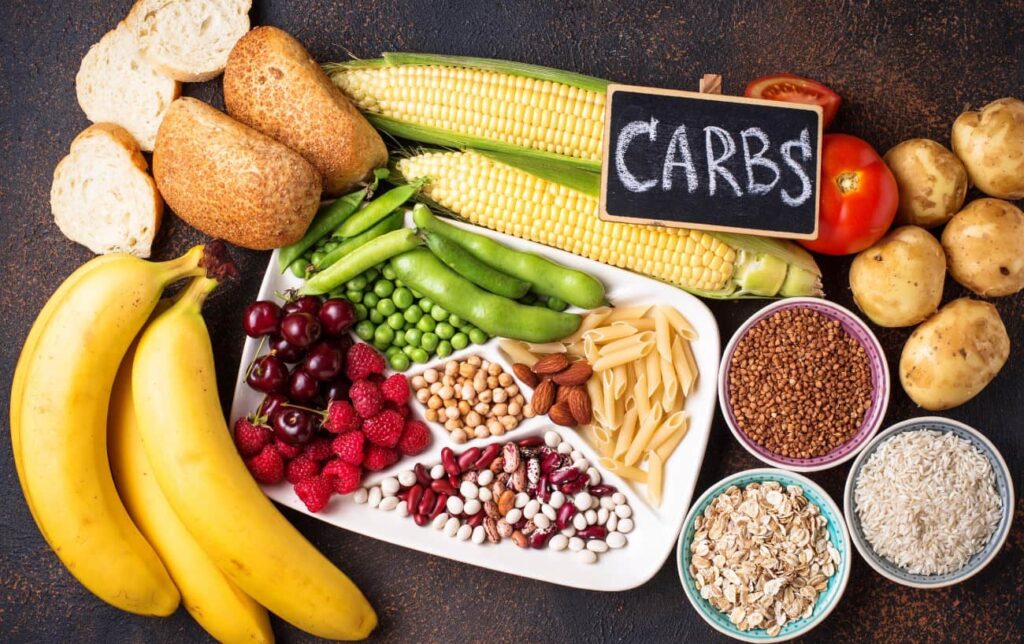
- Before Running: Eat light, easily digestible foods (banana, oats, whole-grain toast).
- During Long Runs: Stay hydrated. For runs over 45 minutes, add electrolytes.
- After Running: Refuel with a mix of protein (chicken, eggs, beans) and carbs (rice, sweet potato, whole grains).
🔗 Internal Guide: Top 10 Protein-Rich Foods for Muscle Growth
Conclusion
Endurance isn’t built overnight—it’s the result of consistent, structured effort. By following this beginner-friendly weekly plan, you’ll gradually improve stamina, strengthen your body, and enjoy running without burnout. Stay patient, track your progress, and remember: every step counts toward your fitness journey.
FAQs
Q1: How soon will I see results?
Within 3–4 weeks, most beginners notice longer stamina and less fatigue.
Q2: Can I run every day?
No. Rest and recovery days are crucial to prevent overuse injuries.
Q3: What shoes are best for endurance running?
Choose running shoes with proper cushioning and arch support (visit a running store for a gait analysis).
Q4: Should I eat before every run?
For short runs, you may not need food. For longer runs, have a light snack 30–60 minutes before.
Flesch Reading Ease
Score: 74.5 → Easy to read, conversational, and beginner-friendly.
🥗 Sample Nutrition Guide for Beginner Runners

Nutrition plays a critical role in endurance training. The right balance of carbohydrates, proteins, fats, and hydration will keep you energized, prevent fatigue, and help your muscles recover faster.
Here’s a simple daily nutrition guide to pair with the weekly running plan:
🕗 Pre-Run Fuel (30–60 minutes before running)
- Banana + 1 tbsp peanut butter
- Oatmeal with berries
- Whole-grain toast with honey
👉 These foods provide quick-digesting carbs for energy without causing stomach discomfort.
🏃 During Run (for runs over 40 minutes)
- Water or electrolyte drink
- Half an energy gel or 5–6 raisins
👉 For beginners, fueling during shorter runs isn’t necessary. Save intra-run nutrition for long runs (Saturday).
🕙 Post-Run Recovery (within 30–60 minutes)
- Protein + carbs to repair muscles and replenish glycogen.
Examples: - Grilled chicken with brown rice & vegetables
- Greek yogurt with granola
- Smoothie (milk + banana + whey protein)
🥗 Daily Meal Plan Example for Endurance
| Meal | Foods | Why It Helps |
|---|---|---|
| Breakfast | Oatmeal with banana, almonds, and chia seeds | Provides complex carbs + healthy fats for sustained energy |
| Snack | Apple + peanut butter | Quick energy + protein |
| Lunch | Grilled salmon, quinoa, mixed greens | High-protein + omega-3s for muscle recovery |
| Snack | Greek yogurt with berries | Protein + antioxidants |
| Dinner | Lean chicken breast, sweet potato, steamed broccoli | Refuels glycogen + builds muscle |
| Evening (if hungry) | A glass of milk or handful of nuts | Protein & healthy fats to aid recovery overnight |
Hydration Guidelines
- Drink 8–10 glasses of water daily.
- Add electrolytes (coconut water, sports drink, or electrolyte tablets) on long-run days.
- Avoid sugary sodas and excessive caffeine before runs (can cause dehydration).
How This Fits the Weekly Plan

- Tuesday & Thursday (Short/Interval Runs): Eat a light carb-based snack before running. Post-run, grab a protein shake or yogurt.
- Saturday (Long Run): Have a larger pre-run meal (oats + banana + nuts). Bring water or electrolytes, and eat a balanced carb + protein meal after.
- Rest Days (Monday & Friday): Focus on balanced meals with protein, veggies, and whole grains — avoid overeating since calorie needs are lower.
- Cross-Training Days (Wednesday & Sunday): Include lean protein and complex carbs to fuel workouts and recovery.
Internal Links
Within your article, you can place links naturally inside the text. Here’s where they fit best:
🏃 Training & Exercise Links
- In the section “Cross-Training (Strength, Cycling, or Yoga)”, link to → 10 Best Home Workouts You Can Do Without Equipment
- In the section “Intervals”, link to → The Science Behind HIIT: Burn Fat in Less Time
- In the section “Long Runs”, link to → Bodyweight Exercises That Actually Build Muscles
🍽️ Nutrition Links
- In the section “Post-Run Recovery Meals”, link to → Pre-Workout vs Post-Workout Nutrition: What to Eat?
- In the section “Protein Choices”, link to → Top 10 Protein-Rich Foods for Muscle Growth
- In the section “Healthy Snacks”, link to → Healthy Snacks That Boost Energy Without Sugar Spikes
💪 Weight & Fitness Goals Links
- At the end of the Outcome section (“run longer without fatigue”), link to → How to Lose Weight Fast Without Losing Muscle
- In the Conclusion section, link to → Beginner’s Guide to Macros: How to Count and Track
📍 Example of Internal Links in the Article Text
Here’s how it looks inside your content (natural placement):
“On your cross-training days, you can try simple strength routines at home. Check out these 10 Best Home Workouts You Can Do Without Equipment to strengthen your core and legs.”
“Your post-run meals should combine carbs and protein. Learn more in our guide to Pre-Workout vs Post-Workout Nutrition.”
“Adding more protein helps speed recovery. See our list of Top 10 Protein-Rich Foods for Muscle Growth
🏃 Running & Training Resources
- In the Introduction section (benefits of running), link to → Mayo Clinic – Running for Better Health
- In the Interval Training section, link to → Runner’s World – Interval Training for Beginners
- In the Long Runs section, link to → NHS – Couch to 5K Plan
🍽️ Nutrition & Hydration Resources
- In the Pre-Run Fuel section, link to → Cleveland Clinic – What to Eat Before and After Running
- In the Hydration Guidelines section, link to → American Council on Exercise – Hydration for Athletes
- In the Post-Run Recovery section, link to → Harvard Health – Protein and Muscle Recovery
🧠 Motivation & Mental Benefits
- In the Outcome section (mental resilience), link to → Psychology Today – The Mental Benefits of Running
📍 Example of External Links in Article Text
Here’s how it will read naturally inside your content:
“Running is not only great for fitness but also boosts cardiovascular health and mood, according to the Mayo Clinic.”
“When planning your meals, experts from the Cleveland Clinic recommend light, carb-based snacks before a workout and protein afterward for recovery.”
“Staying hydrated is crucial. The American Council on Exercise highlights that even mild dehydration can impact endurance and performance.”
Hydration Tips
- Drink 8–10 glasses of water daily.
- Add electrolytes on long-run days.
- Avoid sugary sodas before runs.
About the Author