
When it comes to burning fat and boosting fitness, High-Intensity Interval Training (HIIT) has become one of the most effective workout methods. Unlike traditional cardio, HIIT combines short bursts of intense exercise with periods of rest or low-intensity movement. But what makes HIIT so powerful? Let’s break down the science.
1. What Is HIIT?

HIIT involves alternating between high-intensity effort (like sprinting or jump squats) and short recovery periods (walking or resting). A typical session lasts between 15 to 30 minutes, making it more time-efficient compared to steady-state cardio like jogging.
2. The Afterburn Effect (EPOC)
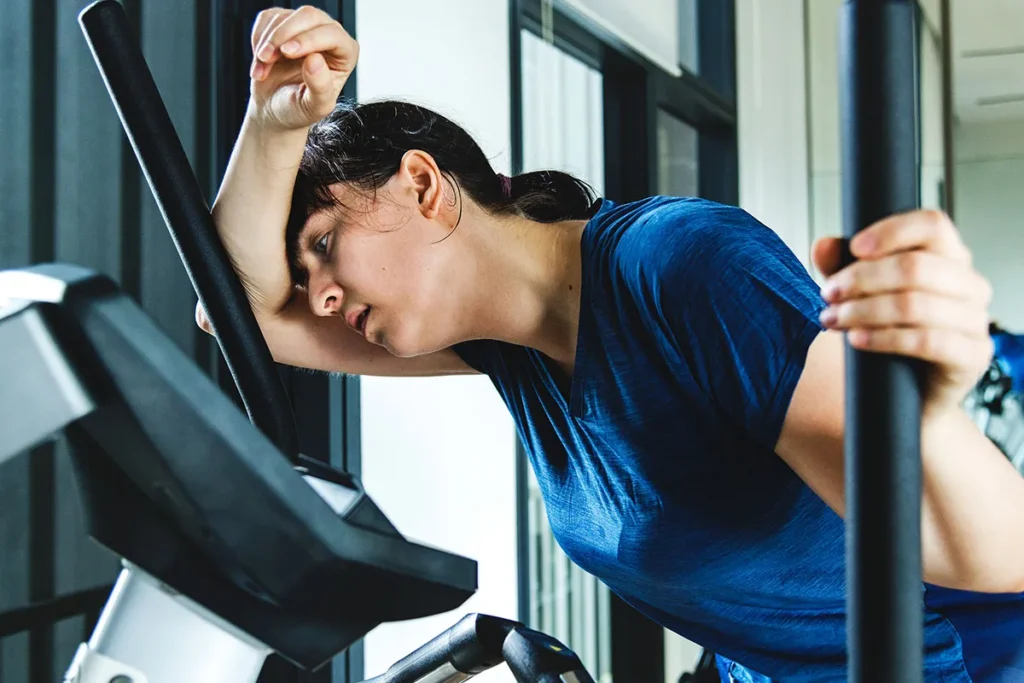
One of the main reasons HIIT is effective for fat loss is the Excess Post-Exercise Oxygen Consumption (EPOC), also known as the afterburn effect.
- After a HIIT workout, your body continues to burn calories for hours as it works to restore oxygen levels, repair muscles, and regulate hormones.
- Studies show that HIIT can increase calorie burn up to 25–30% more than traditional cardio.
3. Fat-Burning Hormones
HIIT triggers the release of key hormones that help with fat loss:
- Human Growth Hormone (HGH): Boosts fat metabolism and supports muscle recovery.
- Adrenaline & Noradrenaline: Mobilize stored fat to b
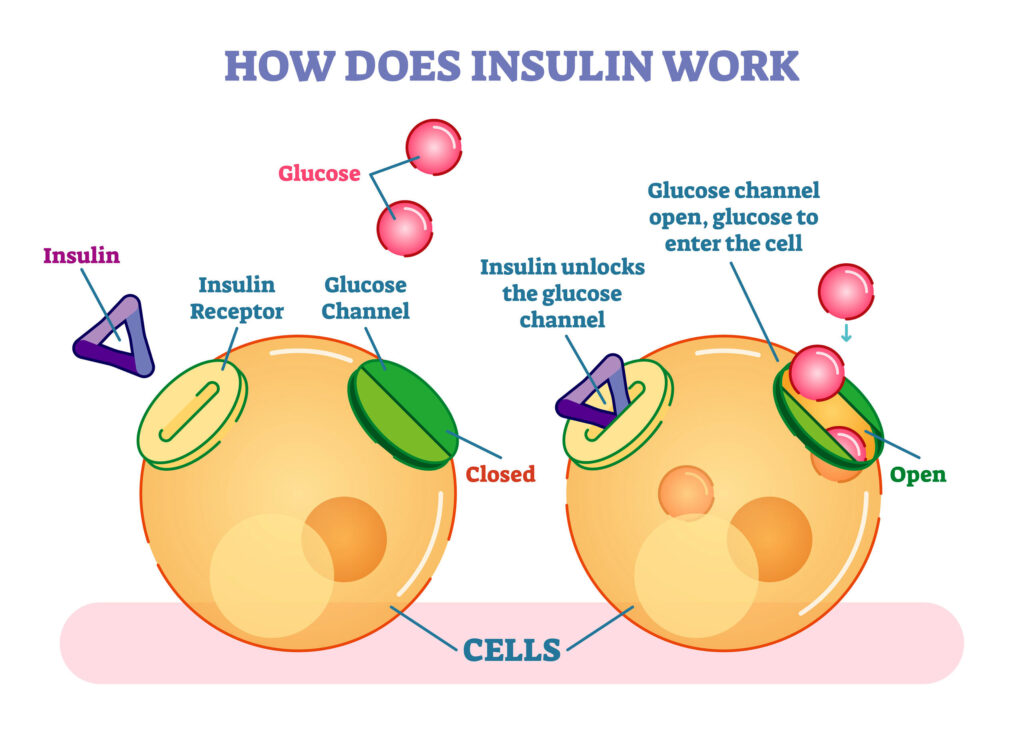
- Insulin Sensitivity: HIIT improves how your body uses carbohydrates, reducing fat storage.
4. Muscle Preservation
Unlike steady-state cardio, HIIT helps preserve lean muscle masshttps://www.healthline.com/health/fitness-exercise/how-to-build-lean-muscle. More muscle means a higher resting metabolic rate, so you continue burning more calories even when you’re not working out.
5. Time Efficiency

One of the biggest advantages of HIIT is that it delivers results in less time. Research suggests that 15–20 minutes of HIIT can provide the same fat-loss benefits as 45–60 minutes of traditional cardio.
6. Who Can Do HIIT?
- Beginners: Start with bodyweight moves like squats, lunges, or jumping jacks.
- Intermediate/Advanced: Add weights, sprints, or plyometrics for more challenge.
- Note: Always listen to your body and consult a trainer or doctor if you’re new to intense exercise.
✅ Conclusion
HIIT is not just a fitness trend—it’s a science-backed, fat-burning workout strategy.https://www.healthline.com/nutrition/best-exercise-for-weight-loss
By combining short, intense bursts of effort with recovery periods, HIIT maximizes calorie burn, stimulates fat-burning hormones, preserves muscle, and saves time. If you’re looking for an efficient way to lose fat and build endurance, HIIT is one of the smartest choices.
Problem
Many people spend hours on traditional cardio but still struggle to lose fat. Long sessions of jogging or cycling can feel time-consuming, boring, and sometimes even lead to muscle loss.
Outcome
Research shows that High-Intensity Interval Training (HIIT) allows you to burn more fat in less time. Studies confirm that HIIT can increase calorie burn by up to 30% more than steady-state cardio (Healthline). This means you don’t need to spend endless hours in the gym.
Solution
HIIT works by alternating short bursts of intense exercise with brief recovery periods. For example, sprinting for 30 seconds followed by 60 seconds of walking. This unique structure triggers powerful fat-burning mechanisms:
- Afterburn Effect (EPOC): Your body continues to burn calories even after the workout ends (PubMed Study.
- Fat-Burning Hormones: HIIT boosts hormones like HGH and adrenaline, which mobilize stored fat.
- Muscle Preservation: Unlike long cardio, HIIT helps you keep lean muscle, which in turn increases your resting metabolism.
How It Works
To integrate HIIT into your routine:
- Beginners can start with bodyweight exercises such as squats, lunges, or push-ups. → See our Bodyweight Exercises That Build Muscle.
- Intermediate or advanced individuals can include sprints, jump squats, or kettlebell swings. → Explore our Full-Body Gym Routine for Beginners.
- For efficiency, just 15–20 minutes of HIIT can match the fat-burning effects of a full hour of traditional cardio.
Conclusion
In short, HIIT is more than just a fitness trend—it’s a science-backed method to torch fat, save time, and improve overall fitness. Whether you’re a beginner or advanced athlete, adding HIIT to your schedule can deliver faster and more sustainable results.
Example HIIT Workout
- Warm-up: 3 minutes of light jogging
- Round 1: 30 seconds sprint + 60 seconds walk (repeat 5x)
- Round 2: 20 seconds burpees + 40 seconds rest (repeat 4x)
- Cool-down: 3 minutes stretching
👉 Want more routines? Check out our guide: 10 Best Home Workouts You Can Do Without Equipment.
FAQs
Q1: Can beginners do HIIT?
Yes! Beginners should start slow with low-impact moves like step-ups or marching in place.
Q2: How often should I do HIIT?
2–3 times per week is ideal, allowing enough recovery time.
Q3: Does HIIT burn belly fat?
Yes, studies show HIIT is especially effective for reducing abdominal fat (NIH Study).
Q4: Is HIIT safe for everyone?
If you have health concerns, consult your doctor before starting
About the Author