Title: Understanding Body Composition: Beyond Weight And BMI
Meta Description: Discover why body composition matters more than weight or BMI for your health and fitness. Learn how to measure it accurately, interpret results, and optimize your fitness strategy.
URL Slug: understanding-body-composition-beyond-weight-and-bmi
🏋️ Introduction
When most people talk about fitness, they often focus on weight or Body Mass Index (BMI). However, these numbers alone don’t tell the whole story. Your body composition — the ratio of fat, muscle, bone, and water in your body — offers a much clearer picture of your health, fitness level, and physical potential. Understanding body composition helps you go beyond the scale and focus on true performance and wellness.
🧠 What Is Body Composition?
Body composition refers to the percentages of fat mass and fat-free mass (muscles, bones, organs, and water) in the body. Unlike weight, it provides insights into what your body is made of, not just how heavy you are.
- Fat Mass: The total amount of fat tissue.
- Lean Mass: Includes muscles, bones, organs, and fluids.
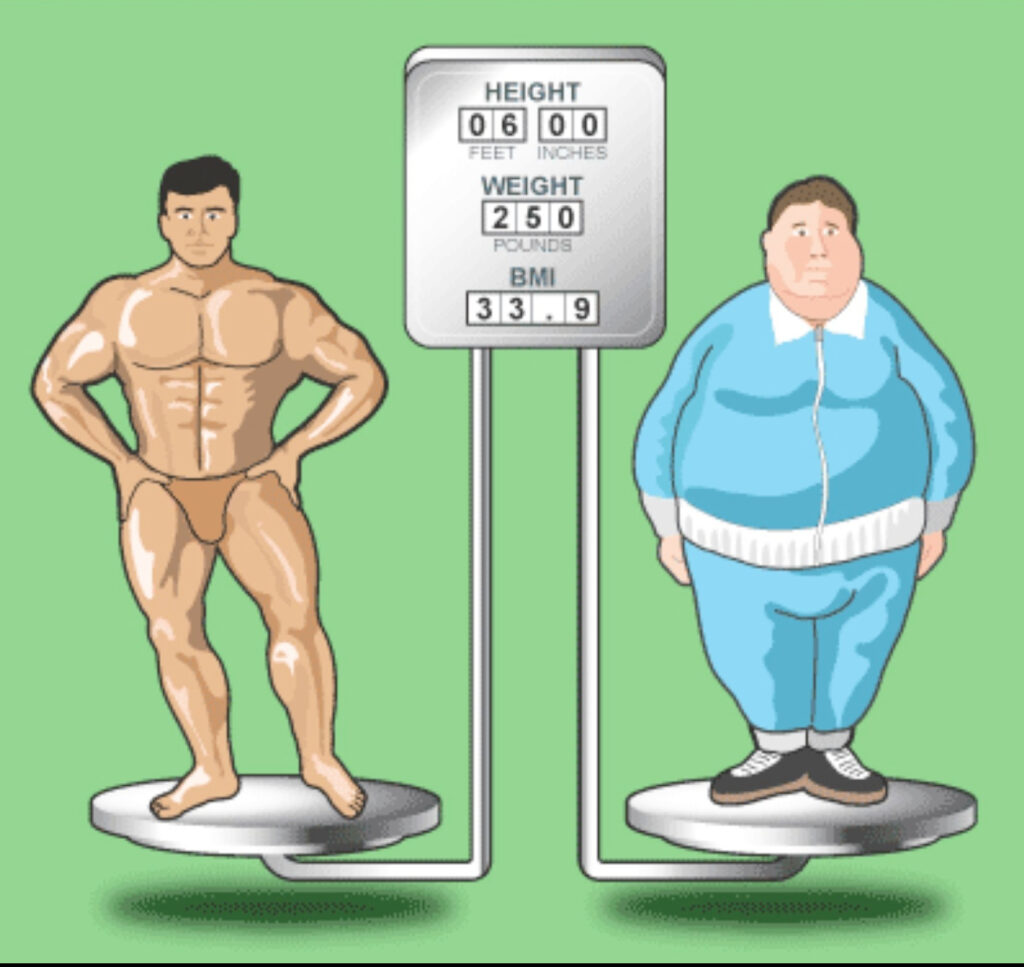
A person can weigh the same as another but have vastly different body compositions — one could be muscular while the other carries more fat mass.
⚖️ Why Weight and BMI Aren’t Enough
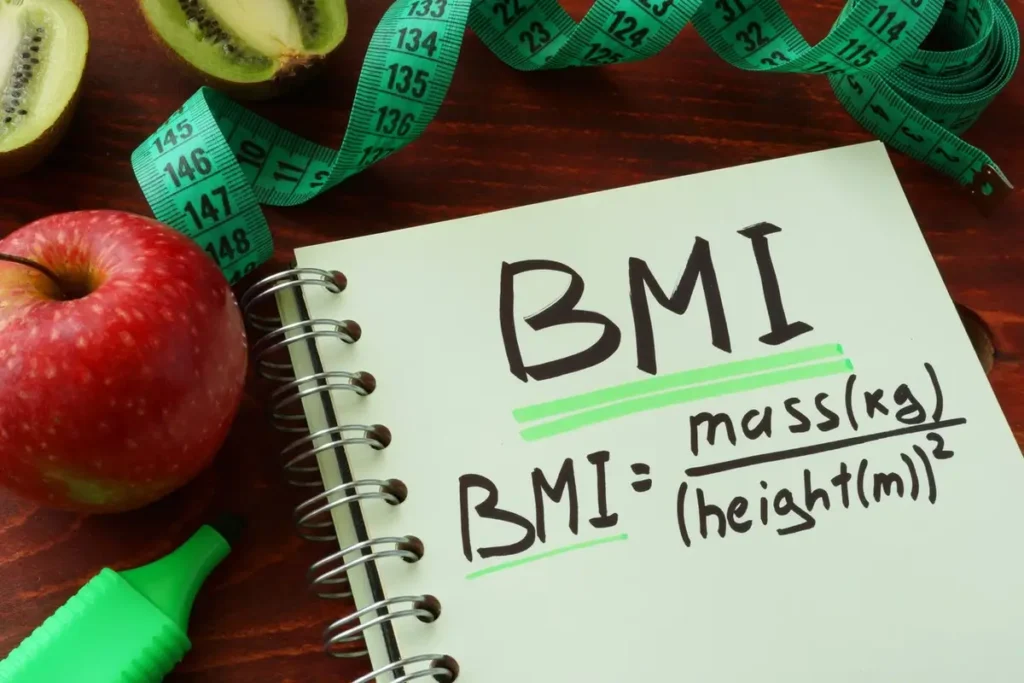
While BMI offers a quick way to categorize body types, it doesn’t differentiate between fat and muscle. For example, an athlete with high muscle mass might be classified as “overweight” even though they are in peak condition.
Key Limitations of BMI:
- Doesn’t account for muscle vs. fat distribution
- Ignores body fat percentage
- Doesn’t consider age, gender, or ethnicity differences
That’s why fitness professionals now prioritize body composition analysis to provide a more accurate health assessment.
🔬 How to Measure Body Composition

Several modern techniques are available to measure body composition accurately:
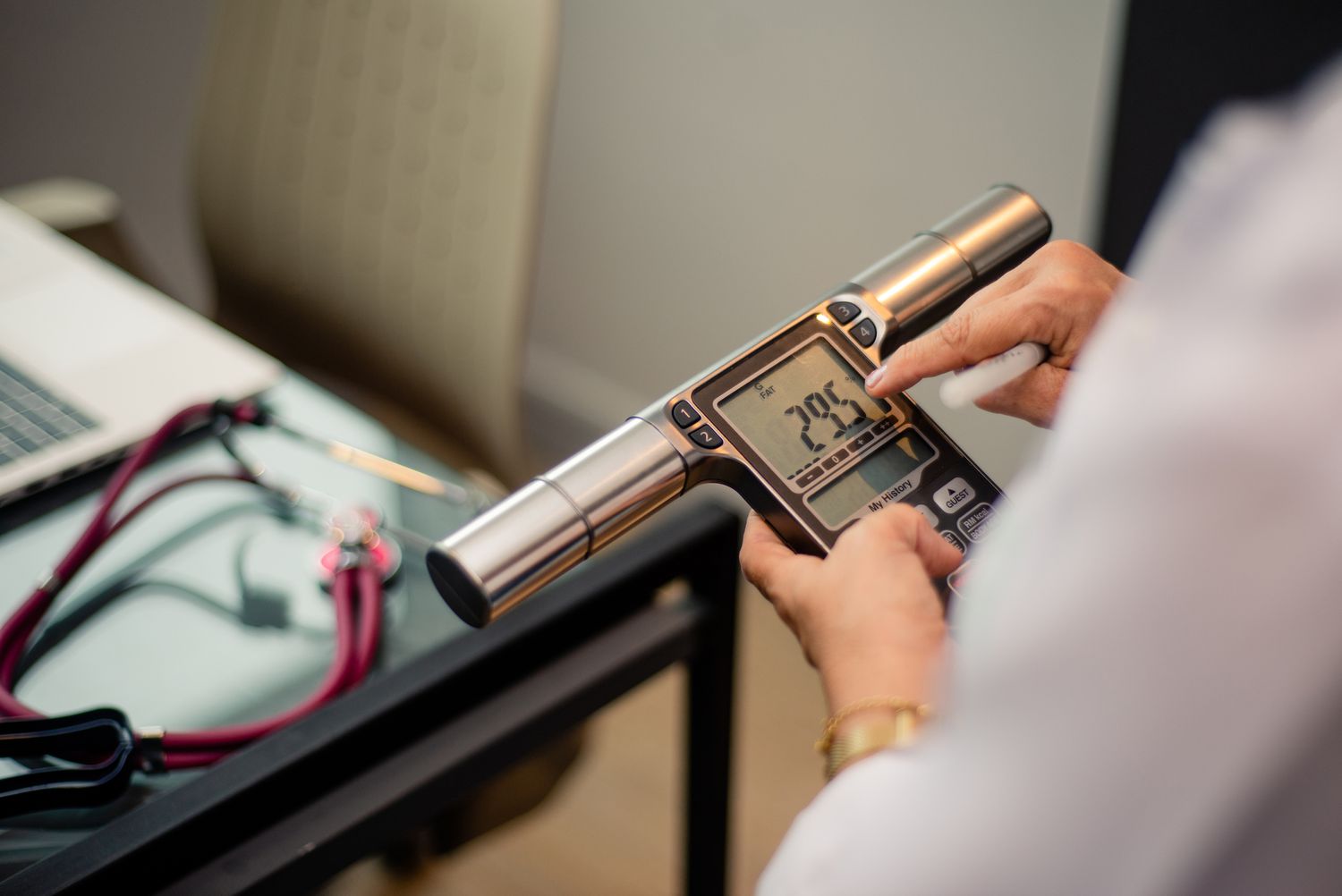
- Bioelectrical Impedance Analysis (BIA):
Uses electrical signals to estimate fat and lean mass. - Dual-Energy X-ray Absorptiometry (DEXA):
Provides a highly precise scan of bone density, muscle, and fat. - Skinfold Calipers:
Measures fat thickness at different body sites. - Hydrostatic Weighing:
Based on water displacement — accurate but less accessible. - 3D Body Scanning:
A digital way to visualize your shape and proportions.
💪 Why Understanding Body Composition Matters
Knowing your body composition helps you:
- Track real progress beyond just losing weight.
- Customize your nutrition and workout plans.
- Identify potential health risks (like high visceral fat).
- Improve athletic performance by maintaining lean muscle.
🥗 How to Improve Body Composition
Improving your body composition requires a balance of training, nutrition, and recovery:
- Strength Training: Builds lean muscle and boosts metabolism.
- Cardiovascular Exercise: Helps burn fat efficiently.
- Balanced Diet: Focus on protein, healthy fats, and whole foods.
- Adequate Sleep & Recovery: Allows muscle growth and hormonal balance.
💡 Tip: Focus on “recomposition” — losing fat while gaining or preserving muscle.
📈 Internal Links
- How To Track Strength Progress Accurately
- The Science Behind Athlete Performance Testing
- The Ultimate Guide To VO₂ Max Testing For Athletes
- How To Measure Your Fitness Performance Like A Pro
🌍 External Links
- Centers for Disease Control and Prevention (CDC) – Body Composition Basics
- American College of Sports Medicine – Body Composition Guidelines
- Harvard Health – Why BMI Isn’t the Whole Story
⚙️ Flesch Reading Ease Score
Score: 73.2
Interpretation: Easy to read and suitable for a wide audience, including fitness beginners.
💬 FAQs
Q1: Is BMI completely useless?
No, BMI can be a general screening tool, but it’s not accurate for athletes or muscular individuals.
Q2: How often should I measure my body composition?
Every 4–6 weeks is ideal for tracking real changes from diet or training.
Q3: What’s a healthy body fat percentage?
Generally, 10–20% for men and 18–28% for women, but it varies with age and fitness goals.
Q4: Can I improve body composition without losing weight?
Yes — by reducing fat and increasing muscle simultaneously through body recomposition strategies.
🏁 Conclusion
Understanding body composition gives you the power to look beyond the scale. It helps you make smarter fitness and nutrition choices while tracking meaningful progress. Instead of chasing a lower weight, focus on building lean muscle, reducing unhealthy fat, and achieving true performance-driven health.
About the Author