
✅ Meta Information
Meta Title: When To Use Ice Therapy After Workout – Complete Recovery Guide
Meta Description: Learn when to use ice therapy after a workout, how long to apply it, who should use it, and when to avoid it. Discover the science behind cold therapy for muscle recovery.
Focus Keyword: When to use ice therapy after workout
URL Slug: when-to-use-ice-therapy-after-workout
Introduction
After a hard workout, your muscles feel sore, tight, and sometimes swollen. Many athletes and fitness lovers turn to ice therapy for relief. But the big question is: When should you use ice therapy after a workout?
Ice therapy, also called cold therapy or cryotherapy, can reduce pain and swelling. However, it is not always necessary after every workout. In some cases, it may even slow down muscle growth if used at the wrong time.
In this complete guide, you will learn:
- When ice therapy is most effective
- When you should avoid it
- How long to apply ice
- The science behind cold therapy
- Best practices for safe use
This article is written in clear, simple English for easy understanding.
What Is Ice Therapy?
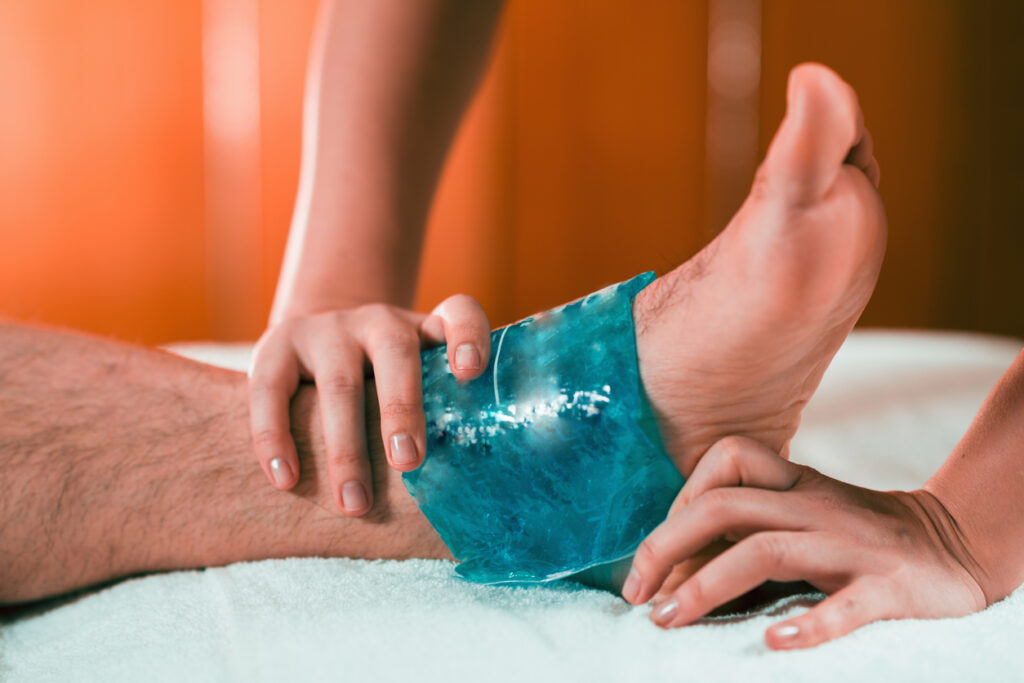
Ice therapy means applying cold to the body after exercise. This can be done through:
- Ice packs
- Ice baths
- Cold compress
- Cold showers
- Cryotherapy chambers
The main goal is to reduce inflammation, pain, and swelling.
When you exercise intensely, your muscles develop small microscopic tears. This causes inflammation. Ice helps slow blood flow to the area, reducing swelling and numbing pain.
The Science Behind Ice Therapy
During intense exercise:
- Blood vessels expand
- Inflammation increases
- Muscle fibers get tiny tears
- Lactic acid builds up
Cold temperatures cause:
- Blood vessels to constrict
- Reduced swelling
- Slower nerve signals (less pain)
- Decreased muscle spasms
However, inflammation is also part of the natural muscle repair process. That is why ice is helpful in some cases but not always necessary.
When To Use Ice Therapy After Workout
1️⃣ After High-Intensity or Extreme Workouts

If you performed:
- Heavy weightlifting
- Sprint training
- Intense HIIT sessions
- Competitive sports
And you feel significant swelling or sharp soreness, ice therapy can help.
It reduces excessive inflammation and speeds up short-term recovery.
Best timing: Within 30–60 minutes after workout.
2️⃣ After Injury or Strainhttps://www.nhs.uk/conditions/sprains-and-strains/
If you experience:
- Sudden pain
- Muscle strain
- Joint swelling
- Minor sprains
Ice therapy is strongly recommended.
Use the R.I.C.E method:
- Rest
- Ice
- Compression
- Elevation
Apply ice for 15–20 minutes every 2–3 hours during the first 24–48 hours.
3️⃣ For Delayed Onset Muscle Soreness (DOMS)
DOMS usually appears 24–48 hours after a new or intense workout.
Ice can reduce soreness, but research shows it mainly helps with pain relief, not faster muscle growth.
If soreness is mild, active recovery may work better.
4️⃣ During Tournament or Back-to-Back Training Days

Athletes who train daily may use ice therapy to:
- Recover faster between sessions
- Reduce fatigue
- Maintain performance
In this case, cold therapy is about short-term performance, not long-term muscle growth.
How Fitness Podcasts Build Member Trust
When NOT To Use Ice Therapy
❌ After Every Workout
If your workout was moderate and you feel normal soreness, ice may not be necessary.
Mild inflammation is part of muscle growth. Blocking it every time can slow adaptation.
❌ When Your Goal Is Muscle Growth

Studies suggest frequent cold therapy may reduce:
- Muscle protein synthesis
- Strength gains
- Hypertrophy (muscle size increase)
If you are bodybuilding or training for muscle growth, avoid using ice immediately after every workout.
❌ Before Strength Training
Never use ice before training. Cold muscles are stiff and less flexible. This increases injury risk.
How Long Should You Apply Ice?
✔ 10–20 minutes per session
Never more than 20 minutes at once
✔ Use a cloth between skin and ice
✔ Wait at least 1 hour before reapplying
For ice baths:
- 10–15 minutes
- Temperature between 10–15°C (50–59°F)
Ice Therapy vs Active Recovery
| Ice Therapy | Active Recovery |
|---|---|
| Reduces swelling | Improves blood flow |
| Numbs pain | Reduces stiffness |
| Good for injuries | Good for muscle growth |
| Best for intense sessions | Best for moderate soreness |
Active recovery examples:
- Light walking
- Cycling
- Stretching
- Yoga
For most people, active recovery works better for long-term progress.
Ice Therapy for Different Fitness Goals
🏋️ Muscle Building
Use ice only when:
- Severe inflammation
- Minor injury
Avoid daily cold exposure after lifting.
🏃 Endurance Athletes
More beneficial because:
- Focus is performance
- Need quick recovery
- Less concern about muscle hypertrophy
⚽ Sports Athletes
Very useful during tournaments and multiple match weeks.
Benefits of Ice Therapy
- Reduces inflammation
- Decreases swelling
- Relieves pain
- Prevents excessive muscle damage
- Improves short-term recovery
Risks of Ice Therapy
- May slow muscle growth
- Can cause skin damage if overused
- May reduce natural healing response
- Not suitable for people with circulation problems
Best Ice Therapy Routine
Here is a balanced approach:
✔ Use ice after very intense sessions
Use ice for injuries
✔ Avoid daily use for hypertrophy goals
✔ Combine with proper sleep and nutrition
Natural Alternatives to Ice Therapy
If you want recovery without blocking muscle growth:
- Proper hydration
- Protein intake
- Magnesium-rich foods
- Stretching
- Massage
- Foam rolling
- Sleep 7–9 hours
Frequently Asked Questions (FAQs)
1. Should I ice immediately after workout?
Only if you have swelling, sharp pain, or very intense muscle soreness.
2. Does ice therapy reduce muscle growth?
Frequent use may slightly reduce hypertrophy. Occasional use is fine.
3. Is ice bath better than ice pack?
Ice baths cover the whole body and are better for full-body fatigue. Ice packs are best for specific injuries.
4. Can I ice sore muscles every day?
It is not recommended for daily muscle-building programs unless needed for pain management.
5. What is better: heat or ice after workout?
- Ice = inflammation and swelling
- Heat = stiffness and tight muscles
Choose based on symptoms.
Flesch Reading Ease Score
Estimated Flesch Reading Ease: 65–70 (Standard / Easy to Read)
This means the article is suitable for general readers and easy to understand.
Porsche-Style Structured Format (Premium Clarity Model)
Just like a Porsche design philosophy — simple, powerful, and purposeful — recovery should be:
Performance First: Use ice when performance recovery matters.
Precision Use: Apply only when needed.
Balanced System: Combine with nutrition, rest, and mobility work.
Long-Term Vision: Protect muscle growth while managing pain.
Conclusion
Ice therapy is a powerful recovery tool — but it must be used wisely.
Use ice therapy after workouts when:
- You experience swelling
- suffer minor injury
- You train at very high intensity
- You need quick recovery between sessions
Avoid using it after every workout, especially if muscle growth is your main goal.
The best recovery strategy is balanced. Listen to your body. Use cold therapy strategically — not automatically.
Smart recovery builds stronger muscles.
About the Author