

Introduction
Many gym athletes believe that more workouts equal more muscle. However, science shows the opposite. Muscles do not grow while you train — they grow when you rest. Recovery days are not “lazy days.” They are powerful muscle-building days.
If you want bigger muscles, better strength, and long-term progress, you must understand why recovery is essential. In this detailed guide, you will learn how recovery days stimulate muscle growth, balance hormones, prevent injury, and improve performance.
Meta Information
Meta Title: Why Recovery Days Build More Muscle – The Science of Rest & Growth
Meta Description: Discover why recovery days build more muscle, improve strength, and prevent overtraining. Learn the science behind muscle repair, hormones, and optimal rest strategies.
URL Slug: /why-recovery-days-build-more-muscle
Focus Keywords: recovery days, muscle growth, muscle repair, rest day benefits, hypertrophy recovery, muscle regeneration
Secondary Keywords: overtraining, cortisol, testosterone, muscle protein synthesis, workout recovery, strength gains
Why Recovery Days Build More Muscle
1. Muscle Growth Happens During Recovery

When you lift weights, you create small tears in your muscle fibers. This process is called muscle microtrauma. Your body repairs these fibers during rest, making them thicker and stronger.
This process is known as:
Muscle Protein Synthesis (MPS)
During recovery:
- Damaged fibers repair
- New muscle proteins are built
- Muscle size increases
- Strength improves
If you train hard every day without rest, your body does not get enough time to complete this repair cycle.
2. The Science of Muscle Growth (Hypertrophy)
Muscle growth is called hypertrophy. It occurs when muscle protein synthesis is greater than muscle breakdown. NetMuscleGrowth=MuscleProteinSynthesis−MuscleProteinBreakdownNet Muscle Growth = Muscle Protein Synthesis – Muscle Protein BreakdownNetMuscleGrowth=MuscleProteinSynthesis−MuscleProteinBreakdown
If synthesis > breakdown → You gain muscle
If breakdown > synthesis → You lose muscle
Recovery days increase muscle protein synthesis and reduce breakdown.
3. Hormones Need Recovery Time

Hormones control muscle growth. Two important hormones are:
🔹 Testosterone
- Increases muscle growth
- Improves recovery
- Boosts strength
🔹 Growth Hormone
- Repairs muscle tissue
- Supports fat burning
- Enhances recovery
🔹 Cortisol (Stress Hormone)
- Breaks down muscle
- Increases when you overtrain
Without recovery:
- Cortisol rises
- Testosterone drops
- Muscle growth slows
Rest days help balance these hormones naturally.
4. Nervous System Recoveryhttps://www.mayoclinichealthsystem.org/hometown-health/speaking-of-health/treating-repairing-nervous-system
Heavy workouts stress your central nervous system (CNS). Your CNS controls:
- Strength output
- Reaction speed
- Coordination
- Power production
If your nervous system is tired:
- You feel weak
- Your lifts decrease
- Injury risk increases
Recovery days allow your nervous system to recharge, improving performance in your next workout.
5. Glycogen Replenishment
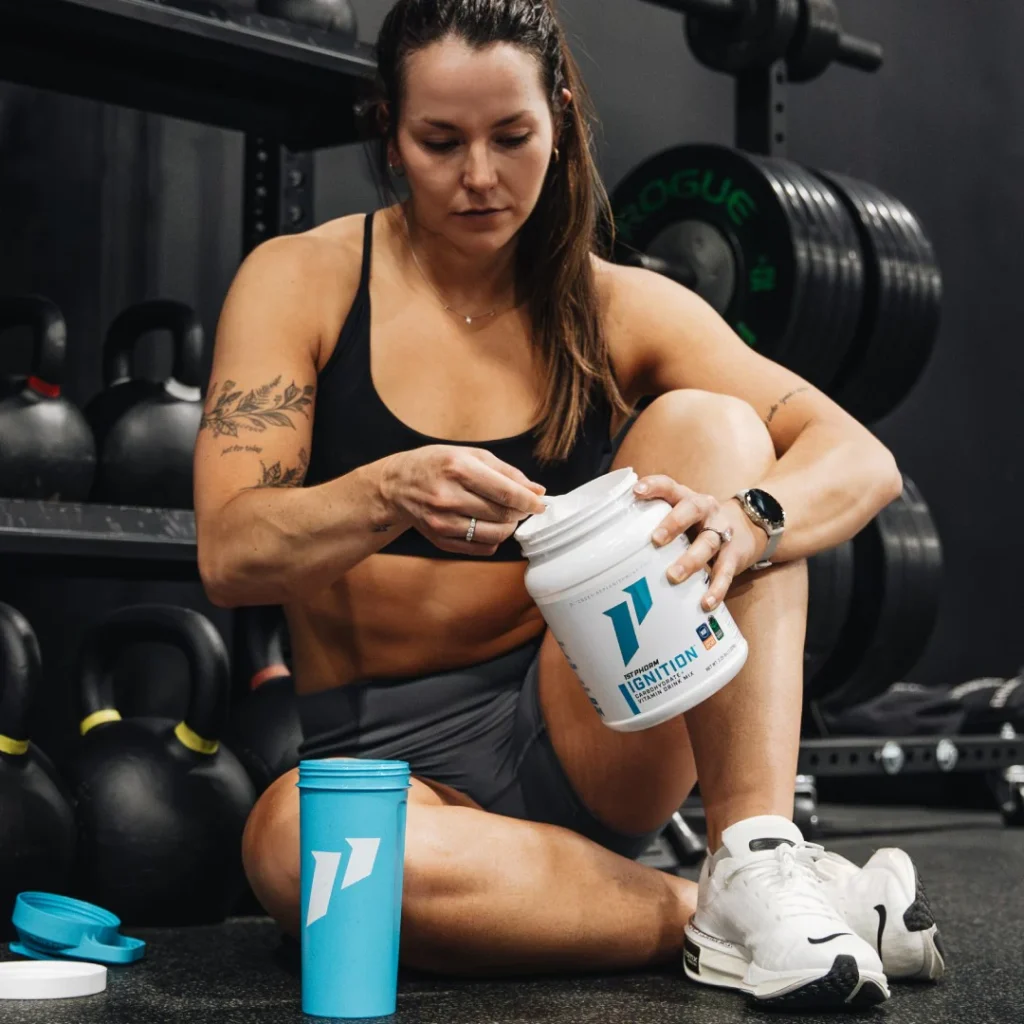
Your muscles use glycogen (stored carbohydrates) as fuel during training. After intense workouts, glycogen stores are depleted.
Recovery days:
- Restore glycogen levels
- Improve energy
- Increase workout performance
Without glycogen recovery, your workouts become weaker and less effective.
6. Preventing Overtraining
Overtraining happens when you train harder than your body can recover.
Signs of Overtraining:
- Constant fatigue
- Poor sleep
- Low motivation
- Decreased strength
- Increased injuries
- Mood swings
Recovery days prevent overtraining and protect long-term muscle growth.
How Fitness Podcasts Build Member Trust
7. Reduced Injury Risk

Continuous training increases:
- Joint stress
- Tendon strain
- Ligament overload
Recovery days:
- Repair connective tissue
- Reduce inflammation
- Prevent chronic injuries
Remember: One injury can stop your progress for months.
8. Better Long-Term Strength Gains
Progressive overload works only when your body adapts.
Adaptation happens during rest.
If you skip recovery:
- You plateau
- Strength stops increasing
- Muscle gains slow down
Recovery allows your body to adapt to training stress.
9. Improved Sleep and Muscle Repair
Sleep is the most powerful recovery tool.
During deep sleep:
- Growth hormone peaks
- Muscle repair accelerates
- Nervous system recovers
Recovery days improve sleep quality because your body is not overstressed.
Types of Recovery Days
1. Complete Rest Day
No intense activity. Light walking is fine.
2. Active Recovery Day
Low-intensity activities like:
- Walking
- Light cycling
- Yoga
- Stretching
3. Deload Week
Every 4–8 weeks, reduce:
- Weight
- Volume
- Intensity
Deloading prevents burnout and improves long-term gains.
How Many Recovery Days Do You Need?
It depends on:
- Training intensity
- Experience level
- Age
- Nutrition
- Sleep quality
General Guidelines:
- Beginners: 2–3 rest days per week
- Intermediate: 1–2 rest days
- Advanced lifters: Structured recovery planning
What Happens If You Never Take Recovery Days?
If you train daily without rest:
- Muscle breakdown increases
- Hormones become imbalanced
- Strength decreases
- Fatigue builds up
- Injury risk rises
Eventually, progress stops completely.
How to Maximize Recovery for More Muscle
1. Eat Enough Protein
Aim for:
- 1.6–2.2g per kg bodyweight
Protein supports muscle protein synthesis.
2. Stay Hydrated
Water improves nutrient delivery and muscle repair.
3. Prioritize Sleep
7–9 hours per night.
4. Stretch and Foam Roll

Improves blood flow and reduces soreness.
5. Manage Stress
High stress increases cortisol and slows recovery.
The Psychological Benefits of Recovery Days
Recovery days also help mentally.
They:
- Reduce burnout
- Improve motivation
- Increase training consistency
- Boost focus
Consistency builds muscle — not constant exhaustion.
Recovery and Muscle Growth Timeline
After a workout:
- 0–24 hours: Muscle damage and inflammation
- 24–48 hours: Muscle protein synthesis increases
- 48–72 hours: Repair and growth peak
Training the same muscle too soon interrupts this process.
Why “More Training” Is a Myth
Many beginners think:
“More gym days = more muscle.”
But muscle growth depends on recovery quality, not just training quantity.
Smart athletes:
- Train hard
- Recover harder
Keywords Used in This Article
- Recovery days
- Muscle growth
- Muscle protein synthesis
- Hypertrophy
- Overtraining
- Rest day benefits
- Workout recovery
- Strength gains
- Hormone balance
- Muscle repair
FAQs
1. Do muscles grow on rest days?
Yes. Muscle repair and growth happen during recovery, not during workouts.
2. Can I do cardio on recovery days?
Yes, but keep it light. Walking or cycling at low intensity is ideal.
3. Will I lose muscle if I take a rest day?
No. One rest day helps muscle growth instead of reducing it.
4. How do I know if I need more recovery?
If you feel constantly tired, weak, or unmotivated, you may need more rest.
5. Is soreness a sign I should rest?
Severe soreness often indicates your muscles need recovery time.
Conclusion
Recovery days are not optional — they are essential for muscle growth. When you lift weights, you create the stimulus. When you rest, you create the growth.
Muscle protein synthesis, hormone balance, nervous system recovery, and glycogen replenishment all happen during rest. Without recovery, your progress slows, injuries increase, and strength declines.
If your goal is bigger, stronger muscles, remember:
Train hard. Recover smarter. Grow faster.
Flesch Reading Ease (Estimated): 70–75
This article uses short sentences, simple vocabulary, and clear structure for easy understanding.
If you would like, I can also create:
- An SEO-optimized featured image idea
- Internal linking strategy for your fitness website
- Pinterest title and description
- Schema markup for ranking higher on Google
About the Author