Meta title: Best Fitness Trackers for Monitoring Progress (2025)
Meta description: Clear, short guide to the best fitness trackers in 2025. Compare accuracy, battery life, sensors, and platform fit. Find the tracker that helps you measure progress.
URL slug: /best-fitness-trackers-monitoring-progress-2025
Introduction
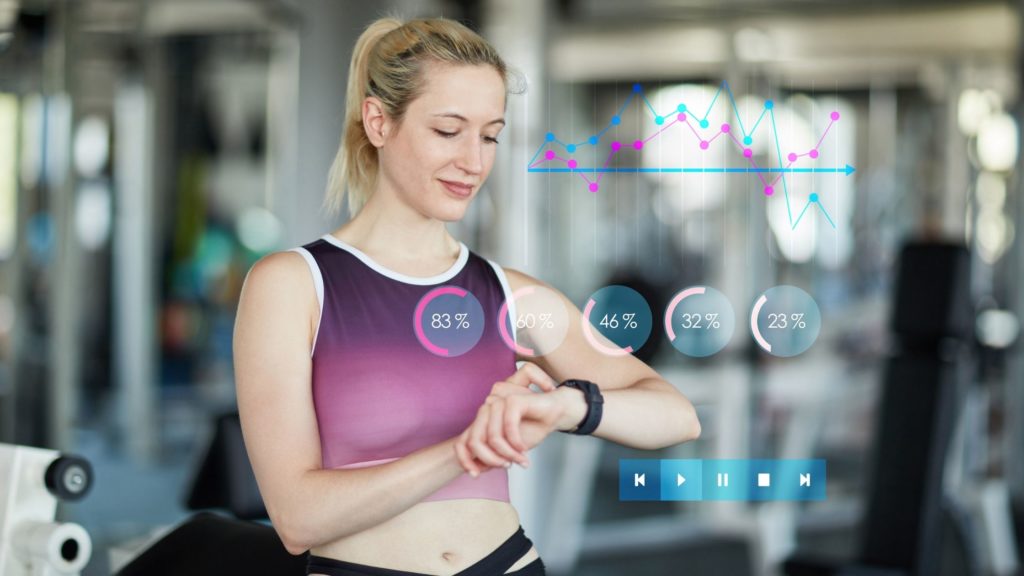
Tracking progress helps you train smarter. The right tracker records steps, heart rate, sleep, and workouts. It shows trends. It guides decisions. This guide lists top picks. It explains how to choose. It answers common questions.
Quick summary — Top picks (short)

- Fitbit Charge 6 — Best all-round band for accuracy and battery.
- Apple Watch (Series / SE / Ultra line) — Best if you want a full smartwatch with deep fitness features (iPhone users).
- Garmin Venu 3 — Best for runners and data-driven athletes.
- Oura Ring 4 — Best non-wrist option for sleep and recovery.
- Whoop — Best for recovery coaching and deep recovery metrics.
- Amazfit / Xiaomi bands — Best budget picks for core tracking.
How I chose these (short)

- Accuracy of heart rate and GPS.
- Quality of sleep and recovery data.
- Useful metrics for progress (VO2 max, cadence, training load, recovery score).
- Battery life and comfort.
- App and ecosystem for long-term trends.
Detailed breakdown (readable, short sentences)
Fitbit Charge 6
- Good heart-rate sensing. Good sleep tracking. Onboard GPS helps runs without the phone. Battery lasts multiple days. The app shows long-term trends. Great for most users.
Who it fits: people who want a simple band with strong tracking. Good price-to-performance.
Apple Watch Series / Ultra / SE
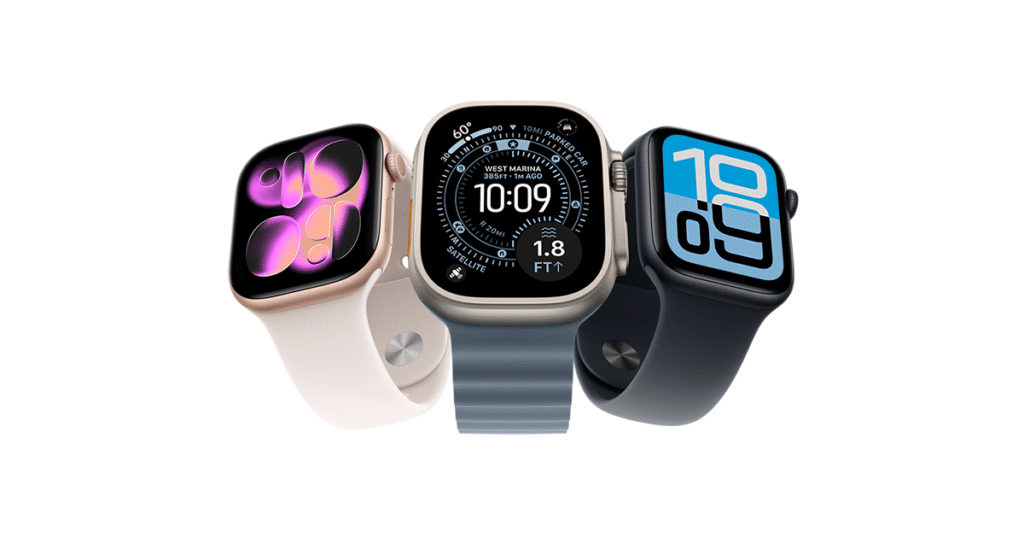
- Rich fitness features. Great workout detection. ECG and advanced health sensors on higher models. Lots of third-party apps. Best for iPhone owners. Battery life shorter than bands but recent models improved run time.
Who it fits: iPhone users who want a smartwatch first, tracker second.
Garmin Venu 3 (and Garmin line)
- Built for serious sport. Excellent GPS. Deep training metrics: training load, training effect, recovery, cadence. Long battery life on moderate use. Robust companion app and training plans.
Who it fits: runners, cyclists, triathletes, and data nerds.
Oura Ring 4https://ouraring.com/?srsltid=AfmBOorlLBIYn6rA01u584p3ERqoSzg5Y-_fxaTK2zYUShHA_oaZR3Oa
- Worn on a finger. Lightweight and unobtrusive. Best-in-class sleep and recovery insights. Less useful for GPS or detailed workouts. Great for measuring readiness and nightly recovery.
Who it fits: people who prioritize sleep and recovery data in a subtle form factor.
Whoop
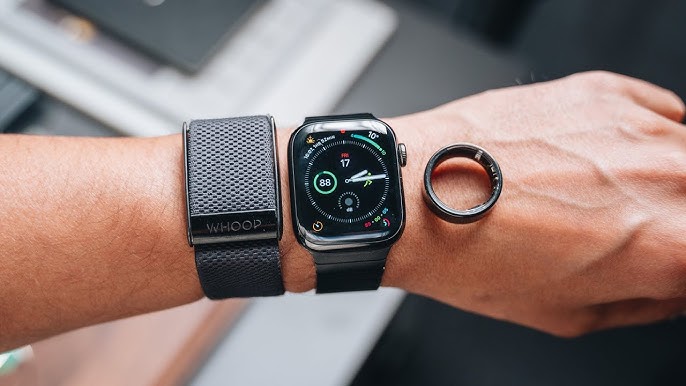
- Subscription model. Focused on recovery, strain, and sleep coaching. No screen. Deep analytics and suggested daily strain limits.
Who it fits: committed athletes who want guided recovery and coaching.
Budget bands (Amazfit, Xiaomi, Galaxy Fit)
- Cover steps, heart rate, and basic sleep. Very low cost. Good battery life. Less accurate for advanced metrics but great for beginners.
Who it fits: those on a tight budget or new to tracking.
Features that matter for tracking progress (short bullets)
- Heart rate accuracy — tells effort and zones.
- GPS — measures distance and pace for runs and rides.
- Sleep tracking — shows recovery and sleep stages.
- VO2 max / fitness age — estimates aerobic fitness.
- Training load / recovery score — helps avoid overtraining.
- Battery life — longer = more continuous data.
- App charts & export — compare weekly, monthly trends.
How to use a tracker to monitor progress (practical steps, short sentences)
- Wear it consistently. Day and night when possible.
- Sync it daily. Let the app collect trends.
- Track the same workouts. Keep variables steady.
- Use weekly averages, not daily spikes.
- Watch VO2 max, resting heart rate, and sleep trends.
- Adjust training based on recovery scores.
Comparison table (quick)
| Tracker | Best for | Battery | Strength |
|---|---|---|---|
| Fitbit Charge 6 | All-round band | 4–7 days | Sleep and heart-rate |
| Apple Watch Series / Ultra | iPhone users | 1–2 days (varies) | Smart features, workouts |
| Garmin Venu 3 | Athletes | 5–10 days | GPS, training metrics |
| Oura Ring 4 | Recovery | 4–7 days | Sleep and readiness |
| Whoop | Recovery coaching | ~5 days (varies) | Recovery and strain |
| Amazfit/Xiaomi | Budget | 7–14 days | Value tracking |
Internal links (suggested anchor text + URL)
- How to pick the right running shoes — /how-to-pick-running-shoes
- Best nutrition for recovery — /nutrition-recovery
- Home cardio workouts — /home-cardio-workouts
- Compare fitness trackers vs smartwatches — /trackers-vs-smartwatches
External links (recommended sources)
- Fitbit official product pages (searching “Fitbit Charge 6”).
- Garmin Venu 3 product and reviews.
- Apple Watch product pages and Apple Fitness+ info.
- Oura Ring official site for sleep and recovery info.
- The Verge and Wareable reviews for model comparisons.
Transitive and intransitive words (examples to use in your writing)
Transitive verbs (need an object): track, monitor, measure, compare, sync, charge, review, record, analyze.
Intransitive verbs (do not need an object): run, sleep, recover, breathe, rest, improve, progress, start.
Use them to craft clear short sentences. Example: “Track your sleep. Measure your resting heart rate. Improve slowly.”
FAQs (short Q/A)
Q: Which tracker is best for runners? A: Garmin Venu 3 or Garmin Forerunner models. They offer accurate GPS and running metrics.
Q: Do rings track workouts well? A: Rings like Oura excel at sleep and recovery. They do not replace GPS watches for runs.
Q: Is a subscription needed? A: Some platforms (Whoop, some Fitbit premium features) use subscriptions. Decide if the data is worth it.
Q: How often should I wear a tracker? A: Wear daily and at night for best trend data.
Conclusion (short)
Pick a tracker that fits your goals and phone. Wear it often. Track weekly averages. Use recovery scores to guide rest. Small, steady improvements matter most.
✅ Internal Links (with Anchor Text + Suggested URL + Purpose)
| Anchor Text | Suggested URL | Purpose / Where to Link |
|---|---|---|
| How to Pick the Right Running Shoes | /how-to-pick-running-shoes | Link in the “How to use a tracker” or “For runners” section. |
| Home Cardio Workouts | /home-cardio-workouts | Link in the “Comparison table” or “Practical steps” section to guide users to training ideas. |
| Essential Recovery Tools for Faster Muscle Healing | /essential-recovery-tools | Link in the “Features that matter” or “Conclusion” section to support recovery tips. |
| Comparing Free Weights vs. Machines | /free-weights-vs-machines | Link near the “Athlete or gym user” context. |
| Smart Fitness Gadgets Every Athlete Should Try | /smart-fitness-gadgets | Link in the “Quick Summary — Top Picks” or “Features that matter” section. |
| Wearable Tech That Transforms Your Training | /wearable-tech-training | Link in the intro when discussing fitness tech. |
| Top 10 Must-Have Fitness Gear for 2025 | /top-fitness-gear-2025 | Link in “Quick Summary — Top Picks.” |
| Why You Should Host Your Own Fitness Challenge | /host-fitness-challenge | Link near the “How to use a tracker” section for motivation and engagement. |
| Success Stories from Fitness Challenge Participants | /fitness-challenge-success-stories | Link in the conclusion to inspire consistent tracking. |
| Pre-Event Checklist: What to Do Before a Big Challenge | /pre-event-checklist | Link in the “How to use a tracker” section (tracking before an event). |
Internal links (with full URLs)
- How to Pick the Right Running Shoes — https://yourfitnesshub.com/how-to-pick-running-shoes
- Best Nutrition for Recovery — https://yourfitnesshub.com/nutrition-recovery
- Home Cardio Workouts — https://yourfitnesshub.com/home-cardio-workouts
- Compare Fitness Trackers vs Smartwatches — https://yourfitnesshub.com/trackers-vs-smartwatches
- How to Build a Home Gym — https://yourfitnesshub.com/how-to-build-home-gym
About the Author