Introduction
The way you think shapes the way you live. Positive thinking is not about ignoring reality or pretending everything is perfect—it’s about choosing a mindset that helps you handle challenges with confidence and hope. When you train your mind to focus on possibilities instead of problems, you unlock a powerful force that can transform your life. From improving mental health to boosting success in personal and professional areas, positive thinking plays a crucial role in shaping your future.
What Is Positive Thinking?
Positive thinking is a mental attitude where you expect good outcomes and focus on the brighter side of life. It doesn’t mean you will never face difficulties. Instead, it means you approach challenges with a constructive mindset. You believe that setbacks are temporary and that solutions are always possible.
People who think positively tend to be more resilient. They don’t give up easily, and they view failure as a learning experience rather than a dead end. This mindset allows them to grow stronger and move forward with determination.
Benefits of Positive Thinking
1. Better Mental Health
Positive thinking reduces stress, anxiety, and depression. When you focus on good thoughts, your brain releases chemicals that improve your mood. This helps you feel calmer and more in control of your emotions.
2. Improved Physical Health

Your mind and body are deeply connected. Studies show that people with a positive mindset often have better heart health, stronger immunity, and lower levels of stress hormones. Simply put, thinking positively can make you healthier.
3. Increased Confidence
When you believe in yourself, you are more likely to take risks and chase your goals. Positive thinking builds self-confidence and helps you overcome self-doubt.
4. Stronger Relationships

Positive people attract others. When you maintain an optimistic attitude, you communicate better, handle conflicts calmly, and build stronger connections with friends, family, and colleagues.
5. Greater Success
Success starts in the mind. When you think positively, you are more motivated to take action. You see opportunities where others see obstacles, which gives you an advantage in achieving your goals.
How Positive Thinking Workshttps://www.hopkinsmedicine.org/health/wellness-and-prevention/the-power-of-positive-thinking
Your thoughts influence your emotions, and your emotions influence your actions. For example, if you think, “I can do this,” you feel confident and take action. But if you think, “I will fail,” you feel fear and avoid trying.
Positive thinking changes this cycle. It replaces negative beliefs with empowering ones. Over time, this creates new habits and patterns in your brain, making optimism a natural response.
Practical Ways to Develop Positive Thinking
1. Practice Gratitude
Start each day by thinking of three things you are grateful for. This simple habit shifts your focus from what you lack to what you already have.
How Fitness Podcasts Build Member Trust
2. Challenge Negative Thoughts
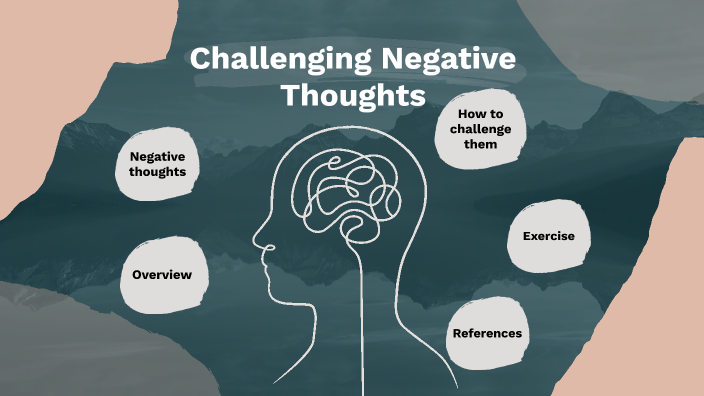
Whenever a negative thought appears, question it. Ask yourself, “Is this really true?” Replace it with a more balanced and positive perspective.
3. Surround Yourself with Positive People
The people around you influence your mindset. Spend time with those who uplift and encourage you rather than those who bring negativity.
4. Use Positive Affirmations
Affirmations are powerful statements that reinforce positive beliefs. For example, say, “I am capable,” “I am strong,” or “I can achieve my goals.” Repeat them daily to strengthen your mindset.
5. Focus on Solutions

Instead of dwelling on problems, focus on finding solutions. This approach keeps your mind active and productive rather than stuck in negativity.
6. Take Care of Your Body
Exercise, proper sleep, and a healthy diet all contribute to a positive mindset. When your body feels good, your mind follows.
Overcoming Challenges with Positive Thinking
Life is not always easy, and positive thinking doesn’t mean ignoring hardships. It means facing them with courage and hope. When challenges arise:
- Accept the situation without panic
- Focus on what you can control
- Learn from the experience
- Keep moving forward
This approach helps you stay strong even during tough times.
Common Misconceptions
“Positive Thinking Means Ignoring Reality”
This is not true. Positive thinking acknowledges reality but chooses a constructive response instead of a negative one.
“It Works Instantly”
Developing a positive mindset takes time and consistency. It is a skill that improves with practice.
“Only Naturally Happy People Can Do It”
Anyone can learn positive thinking. It is not about personality—it’s about habit.
FAQs
Q1: Can positive thinking really change my life?
Yes, it can. While it doesn’t guarantee success, it improves your mindset, which directly affects your actions and decisions.
Q2: How long does it take to become a positive thinker?
It varies for each person, but with daily practice, you can start noticing changes within a few weeks.
Q3: What should I do when negative thoughts feel overwhelming?
Take a pause, breathe deeply, and try to shift your focus. Writing your thoughts down can also help you understand and manage them better.
Q4: Is positive thinking enough to achieve success?
Positive thinking is a foundation, but action is equally important. Combine optimism with effort for the best results.
Conclusion
The power of positive thinking lies in its ability to transform your perspective and, ultimately, your life. It helps you face challenges with confidence, build stronger relationships, and achieve your goals. While it requires effort and consistency, the rewards are worth it.
Start small. Change one thought at a time. Over time, these small changes will create a powerful shift in your mindset. Remember, your thoughts shape your reality—so choose them wisely.
About the Author