
Meta Information
- Title: Sleep Supplements for Recovery: Science-Based Guide to Better Sleep & Muscle Repair
- Meta Description: Discover the best sleep supplements for recovery including magnesium, melatonin, and ashwagandha. Learn how they improve sleep quality, muscle repair, and overall recovery.
- URL Slug: sleep-supplements-for-recovery
Introduction
Sleep is the foundation of recovery. Whether you are an athlete, fitness enthusiast, or someone dealing with daily stress, your body repairs itself during sleep. Muscle growth, hormone balance, brain function, and immune strength all depend heavily on sleep quality.
However, millions of people struggle with poor sleep. This is where sleep supplements come in. They are designed to support deeper, more restorative sleep—helping your body recover faster and perform better.
In this article, we will explore the best sleep supplements for recovery, how they work, their benefits, and how to use them safely.
Why Sleep Is Critical for Recovery

Recovery is not just about resting—it’s about biological repair.
During sleep:
- Growth hormone is released (muscle repair)
- Protein synthesis increases
- Brain detoxification occurs
- Cortisol (stress hormone) decreases
Poor sleep disrupts all of these processes, leading to:
- Slower muscle growth
- Increased fatigue
- Weak immune system
- Reduced performance
Research shows that improving sleep quality can significantly enhance recovery markers like sleep efficiency and total sleep time.
How Sleep Supplements Help Recovery
Sleep supplements work by targeting key systems in the body:
1. Nervous System Relaxation
They calm the brain by increasing GABA, a neurotransmitter that promotes relaxation.
2. Hormonal Regulation
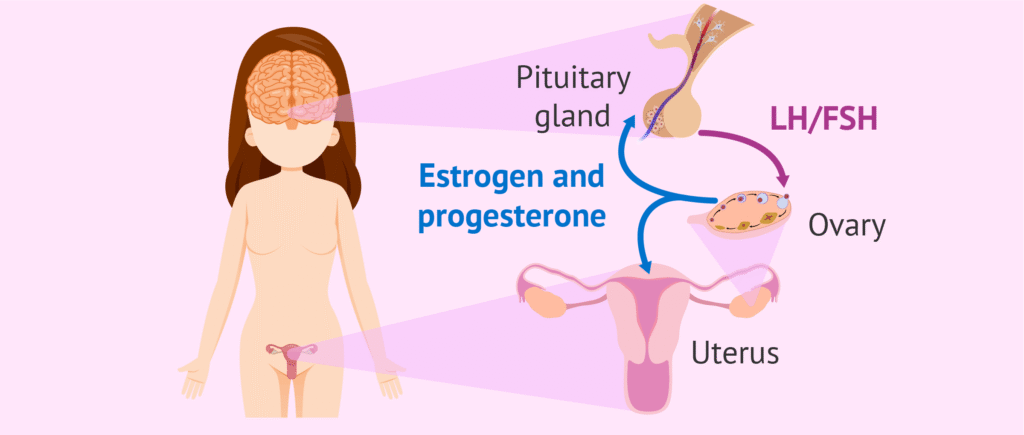
Some supplements boost melatonin—the hormone that controls your sleep cycle.
3. Stress Reduction
Adaptogens help lower cortisol, allowing deeper sleep.
4. Muscle Relaxation
Minerals like magnesium reduce muscle tension and improve recovery.
Best Sleep Supplements for Recovery
1. Melatonin
Melatonin is the most popular sleep supplement.
Benefits:
- Helps you fall asleep faster
- Regulates circadian rhythm
- Useful for jet lag and irregular sleep
Melatonin works by signaling your body that it’s time to sleep, rather than forcing sleep like sedatives.
Recovery Impact:
- Improves sleep duration
- Enhances hormonal balance
Note:
High doses may cause grogginess or vivid dreams.
2. Magnesium

Magnesium is one of the most effective supplements for recovery.
Benefits:
- Relaxes muscles
- Reduces stress and anxiety
- Improves sleep quality
Magnesium supports sleep by increasing GABA activity and regulating melatonin.
Recovery Impact:
- Reduces muscle soreness
- Improves deep sleep
- Supports nervous system recovery
Clinical studies show magnesium can increase sleep time and reduce insomnia symptoms.
3. Ashwagandhahttps://en.wikipedia.org/wiki/Withania_somnifera
Ashwagandha is a powerful adaptogen.
Benefits:
- Lowers cortisol
- Reduces anxiety
- Improves sleep quality
Recovery Impact:
- Enhances stress recovery
- Improves sleep efficiency
- Supports hormonal balance
Studies show it can reduce sleep onset time and improve overall sleep quality.
How Fitness Podcasts Build Member Trust
4. L-Theanine
A natural amino acid found in tea.
Benefits:
- Promotes calmness without sedation
- Improves focus and relaxation
Recovery Impact:
- Helps you fall asleep naturally
- Reduces mental stress
5. Zinc
Zinc plays a key role in immune function and sleep.
Benefits:
- Supports immune recovery
- Improves sleep quality
Research suggests zinc may help enhance sleep duration and efficiency.
6. Vitamin D
Often overlooked but important.
Benefits:
- Supports circadian rhythm
- Boosts immune health
Low vitamin D levels are linked to poor sleep quality.
7. Herbal Supplements (Natural Options)
Common Herbs:
- Valerian root
- Chamomile
- Lavender
- Lemon balm
These herbs promote relaxation and improve sleep by calming the nervous system and increasing GABA activity.
Best Supplement Stack for Recovery
A simple and effective stack:
- Magnesium (200–400 mg)
- L-Theanine (100–200 mg)
- Ashwagandha (300–600 mg)
Optional:
- Melatonin (0.5–3 mg for short-term use)
This combination targets:
- Stress
- Muscle relaxation
- Sleep depth
Flesch Reading Ease (Approximate)
Score: 65–70 (Easy to read)
- Simple sentences
- Clear vocabulary
- Suitable for general audience
Pros and Cons of Sleep Supplements
✅ Pros
- Improve sleep quality
- Faster recovery
- Reduce stress and anxiety
- Support muscle repair
❌ Cons
- Possible side effects
- Not a long-term solution
- Risk of dependency (melatonin misuse)
Experts recommend using supplements as support—not a replacement for good sleep habits.
FAQs
1. Are sleep supplements safe?
Most are safe when used correctly. However, long-term or high-dose use can cause side effects.
2. Which supplement is best for recovery?
Magnesium is the best all-round option due to its effects on muscles, stress, and sleep.
3. Can I take multiple supplements together?
Yes, many supplements work synergistically, but avoid overuse and consult a professional.
4. Do sleep supplements build muscle?
Not directly—but they improve sleep, which is essential for muscle growth.
5. How long before bed should I take them?
- Magnesium: 30–60 minutes before sleep
- Melatonin: 20–60 minutes before sleep
6. Are natural supplements better than synthetic ones?
Natural supplements are often gentler but still need proper dosing and guidance.
Conclusion
Sleep supplements can be a powerful tool for recovery—but they are not magic pills. The real benefit comes when they are combined with good sleep habits, proper nutrition, and a consistent routine.
If used correctly, supplements like magnesium, melatonin, and ashwagandha can:
- Improve sleep quality
- Enhance muscle recovery
- Reduce stress
- Boost overall performance
The key is to choose the right supplement based on your needs and use it responsibly.
About the Author