
Introduction
Confidence is not something you are simply born with—it is something you build, shape, and strengthen over time. Many people believe confidence is reserved for the naturally bold or charismatic, but in reality, it is a skill anyone can develop. Unbreakable confidence doesn’t mean you never feel fear or doubt; it means you trust yourself enough to move forward despite them. In a world full of comparison, pressure, and uncertainty, building strong, lasting confidence is one of the most valuable investments you can make in yourself.
What Is Unbreakable Confidence?
Unbreakable confidence is a deep belief in your abilities, decisions, and self-worth that remains steady even when circumstances are difficult. It’s not arrogance or pretending to be perfect. Instead, it is grounded in self-awareness, resilience, and consistent action.
People with unbreakable confidence:
- Accept their flaws without letting them define their worth
- Stay calm under pressure
- Take risks without fear of failure controlling them
- Bounce back quickly from setbacks
Step 1: Know Yourself Deeply

Confidence begins with self-awareness. You cannot believe in yourself if you don’t truly know who you are. Take time to understand your strengths, weaknesses, values, and goals.
Ask yourself:
- What am I good at?
- do I enjoy doing?
- What are my biggest fears?
When you understand yourself, you stop seeking constant validation from others. You begin to trust your own voice, which is the foundation of confidence.
Step 2: Keep Promises to Yourself
One of the fastest ways to build confidence is by doing what you say you will do. Every time you break a promise to yourself—whether it’s skipping a workout, delaying work, or giving up early—you weaken your self-trust.
Start small:
- Wake up at the time you set
- Complete simple daily tasks
- Stay consistent with your habits
Each small win builds momentum. Over time, you develop a powerful belief: “I can rely on myself.”
Step 3: Take Action Despite Fear
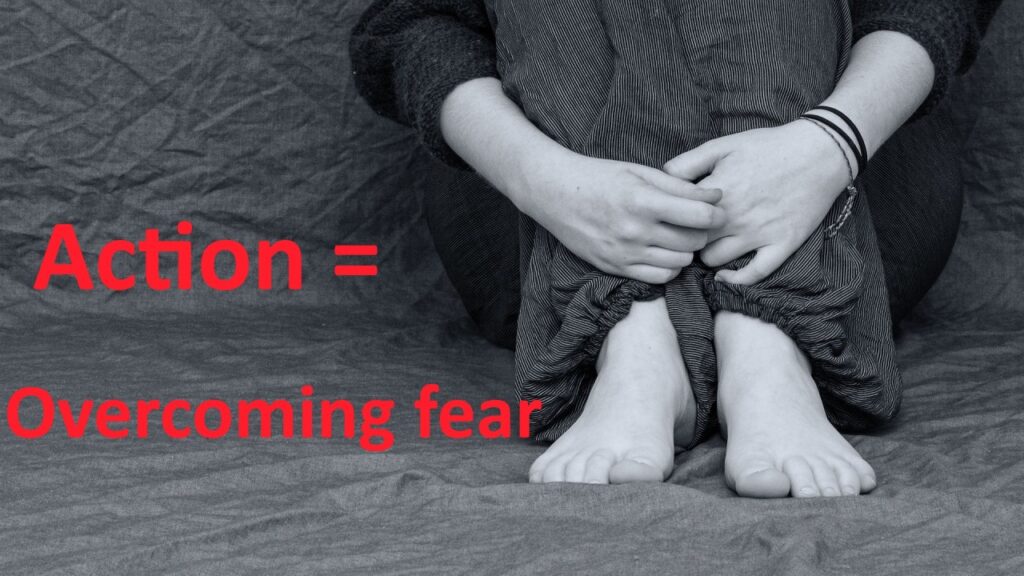
Confidence doesn’t come before action—it comes from action. Waiting until you “feel ready” is one of the biggest traps. Fear is natural, but it should not control your decisions.
Do things that challenge you:
- Speak up in conversations
- Try something new
- Step outside your comfort zone
Every time you face fear and act anyway, your confidence grows stronger. You prove to yourself that fear is not the end—it’s just the beginning.
Step 4: Change Your Inner Dialogue
Your inner voice has a powerful impact on your confidence. If you constantly criticize yourself, doubt your abilities, or focus on your failures, your confidence will collapse.
Replace negative thoughts with constructive ones:
- Instead of “I can’t do this,” say “I will learn how to do this.”
- Instead of “I always fail,” say “I improve every time I try.”
This doesn’t mean ignoring reality—it means choosing a mindset that helps you grow rather than hold you back.
Step 5: Focus on Progress, Not Perfection
Perfection is an illusion that destroys confidence. When you aim for perfection, you create unrealistic expectations and constant disappointment.
Shift your focus:
- Celebrate small improvements
- Learn from mistakes
- Keep moving forward
Confidence grows when you see progress, not when everything is perfect.
Why Fitness Challenges Boost Motivation and Results
Step 6: Build a Strong Body and Mind
Physical and mental health play a huge role in confidence. When you take care of your body, your energy, posture, and mindset naturally improve.
Simple habits to follow:
- Exercise regularly
- Eat nutritious food
- Get enough sleep
- Practice mindfulness or meditation
A strong body supports a strong mind, and together they create a confident presence.
Step 7: Stop Comparing Yourself to Othershttps://zenhabits.net/lifes-enough-stop-comparing-yourself-to-others/
Comparison is one of the biggest confidence killers. Everyone is on a different journey, with different struggles and timelines.
Instead of comparing:
- Focus on your own growth
- Compete with your past self
- Appreciate your unique path
Confidence increases when you measure success based on your own progress, not someone else’s achievements.
Step 8: Learn to Handle Failure
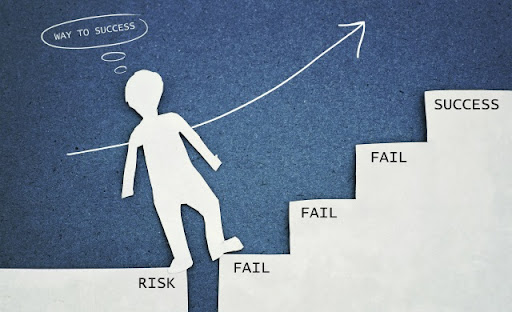
Failure is not the opposite of confidence—it is part of building it. Every successful person has failed multiple times. The difference is how they respond.
When you fail:
- Analyze what went wrong
- Learn from the experience
- Try again with more knowledge
Each failure becomes a stepping stone instead of a setback.
Conclusion
Building unbreakable confidence is a journey, not a destination. It requires patience, consistency, and the willingness to grow through challenges. Confidence is not about never feeling doubt—it is about believing in yourself even when doubt exists.
Start small, stay consistent, and keep pushing forward. Over time, you will develop a level of confidence that cannot be shaken by opinions, failures, or obstacles. The strongest confidence comes from within—and once you build it, nothing can break it.
FAQs
1. How long does it take to build confidence?
Confidence builds over time through consistent actions. You may notice small improvements within weeks, but strong confidence develops over months and years.
2. Can confidence be learned?
Yes, confidence is a skill. Anyone can develop it through practice, self-awareness, and consistent effort.
3. What is the biggest mistake people make when trying to build confidence?
Waiting to feel confident before taking action. Confidence comes from doing, not waiting.
4. Does failure reduce confidence?
Only if you let it. When you learn from failure, it actually strengthens your confidence.
5. How can I boost confidence quickly?
Take small actions, keep promises to yourself, and practice positive self-talk. Even small wins can create a quick boost in confidence.
About the Author