
Fear is a natural human emotion. It’s designed to protect us from danger, sharpen our awareness, and prepare us to act quickly in threatening situations. But in modern life, fear often shows up in ways that hold us back—fear of failure, rejection, judgment, or even success. Instead of protecting us, it can trap us in comfort zones and prevent growth. Learning how to overcome fear like a pro is not about eliminating it completely; it’s about understanding it, managing it, and using it as a tool for personal development.
Understanding Fear
Before you can conquer fear, you need to understand it. Fear is essentially your brain’s response to perceived danger. Sometimes that danger is real, but often it is imagined. Your mind creates worst-case scenarios, and your body reacts as if they are happening in real time.
Professional performers, athletes, and leaders don’t lack fear—they simply respond to it differently. They train their minds to interpret fear as excitement, preparation, and readiness instead of danger. This shift in perspective is the first step to overcoming fear like a pro.
Accept Fear Instead of Fighting It

One of the biggest mistakes people make is trying to suppress fear. The more you try to ignore it, the stronger it becomes. Professionals acknowledge fear and accept it as part of the process.
Instead of saying, “I’m not scared,” try saying, “I feel fear, but I can handle it.” This small change in mindset gives you control. Acceptance reduces the power fear has over you and allows you to think more clearly.
Break It Down
Fear often feels overwhelming because it’s too big and undefined. A professional approach is to break it into smaller, manageable parts.
For example, if you’re afraid of public speaking:
- Identify what exactly scares you (judgment, forgetting words, making mistakes).
- Tackle each fear individually.
- Practice in small settings before moving to larger audiences.
When you break fear into pieces, it becomes easier to handle. What once felt impossible starts to feel achievable.
Take Action Despite Fear
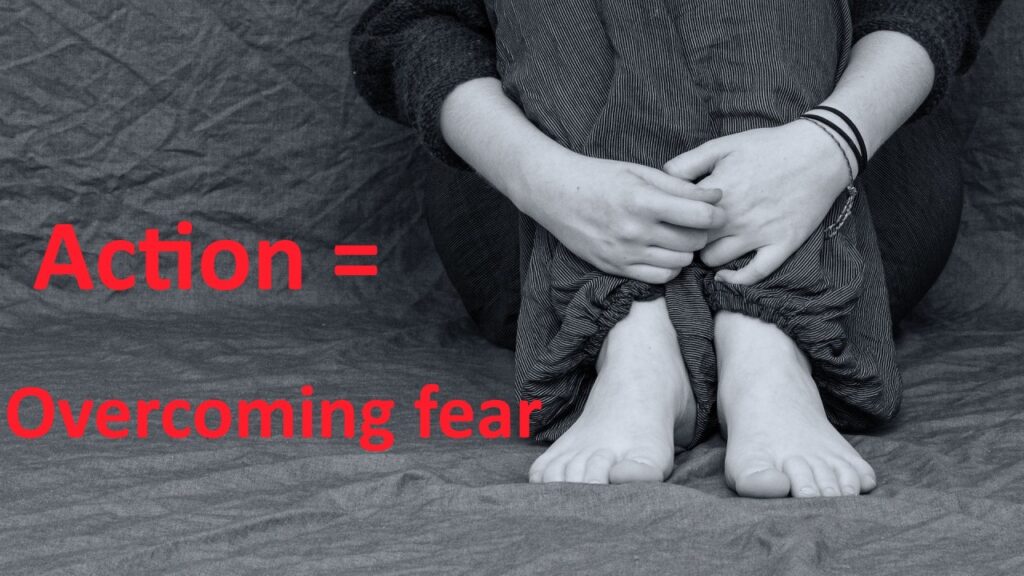
Courage is not the absence of fear—it’s action in spite of it. Professionals don’t wait until fear disappears; they move forward anyway.
Action is the most powerful antidote to fear. Every time you face what scares you, your confidence grows. The first step may feel uncomfortable, but each step after becomes easier.
Start small:
- Speak up in a meeting
- Try something new
- Step outside your routine
Each small win builds momentum and reduces fear over time.
Rewire Your Mindset
Your thoughts shape your reality. If you constantly think, “I can’t do this,” fear will dominate. Professionals replace negative thoughts with empowering ones.
Instead of:
- “What if I fail?”
Try: - “What if I succeed?”
Instead of:
- “I’m not good enough”
Try: - “I’m improving every day”
This shift doesn’t happen overnight, but with consistent effort, your brain starts to adopt a more confident and resilient mindset.
Visualize Success

Visualization is a powerful tool used by top performers. Before facing a fearful situation, imagine yourself succeeding.
Picture:
- Staying calm and confident
- Handling challenges smoothly
- Achieving the desired outcome
When your brain repeatedly sees success, it becomes familiar with it. This reduces anxiety and increases confidence in real-life situations.
How Fitness Podcasts Build Member Trust
Build Mental Strength
Overcoming fear requires mental toughness. Just like muscles grow with training, your mind becomes stronger when challenged.
Ways to build mental strength:
- Practice discipline daily
- Step outside your comfort zone regularly
- Embrace discomfort instead of avoiding it
The more you challenge yourself, the less control fear has over you.
Learn from Failurehttps://www.linkedin.com/pulse/learning-from-our-failures-yuval-atsmon-hivtc
Fear of failure is one of the most common fears. But professionals see failure differently. They treat it as feedback, not defeat.
Every failure teaches you something:
- What didn’t work
- What needs improvement
- How to do better next time
When you stop fearing failure, you unlock the freedom to try, learn, and grow without hesitation.
Control Your Body
Fear is not just mental—it’s physical too. Your heart races, breathing becomes shallow, and your body tenses up. Learning to control your physical response can reduce fear significantly.
Try:
- Deep breathing exercises
- Relaxing your muscles
- Maintaining good posture
When your body is calm, your mind follows.
Surround Yourself with Positivity

Your environment plays a huge role in how you handle fear. Surround yourself with people who encourage growth, confidence, and courage.
Avoid negativity and criticism that increases self-doubt. Instead, seek inspiration from those who have overcome similar fears. Their stories can motivate you to push forward.
Make Fear Your Advantage
Professionals don’t just overcome fear—they use it to their advantage. Fear can sharpen focus, boost energy, and prepare you for action.
Instead of seeing fear as an enemy, treat it as a signal that you’re stepping into something important. Growth always lies on the other side of fear.
Stay Consistent
Overcoming fear is not a one-time event—it’s a continuous process. Even the most confident individuals experience fear regularly. The difference is consistency in how they handle it.
Keep practicing:
- Facing challenges
- Building confidence
- Strengthening your mindset
With time, what once terrified you will feel normal.
Conclusion
To overcome fear like a pro, you must shift your perspective, take consistent action, and build mental resilience. Fear will always be part of life, but it doesn’t have to control your decisions.
Accept it, understand it, and use it as fuel for growth. Step by step, challenge by challenge, you’ll develop the confidence to face anything that comes your way. The moment you stop running from fear and start facing it, you begin to unlock your true potential.
About the Author