

Introduction
In a world that celebrates quick wins and overnight success, the idea of long-term perseverance often gets overlooked. Yet behind every meaningful achievement lies a powerful trait known as grit—the ability to stay committed, focused, and resilient in the face of challenges. Grit is not just about working hard for a short period; it’s about sustaining effort and passion over time, even when progress feels slow or obstacles seem overwhelming.
Building grit that lasts is essential for personal growth, professional success, and emotional strength. It helps you push through failures, learn from setbacks, and remain dedicated to your goals. The good news is that grit is not something you are born with—it can be developed with the right mindset, habits, and strategies. This article explores how to cultivate lasting grit and make it a core part of your life.
What Is Grit and Why Does It Matter?

Grit is the combination of passion and perseverance directed toward long-term goals. It means showing up consistently, even when motivation fades. While talent and intelligence are valuable, they are often not enough on their own. Many highly talented individuals fail because they give up too soon, while others with average abilities succeed through persistence.
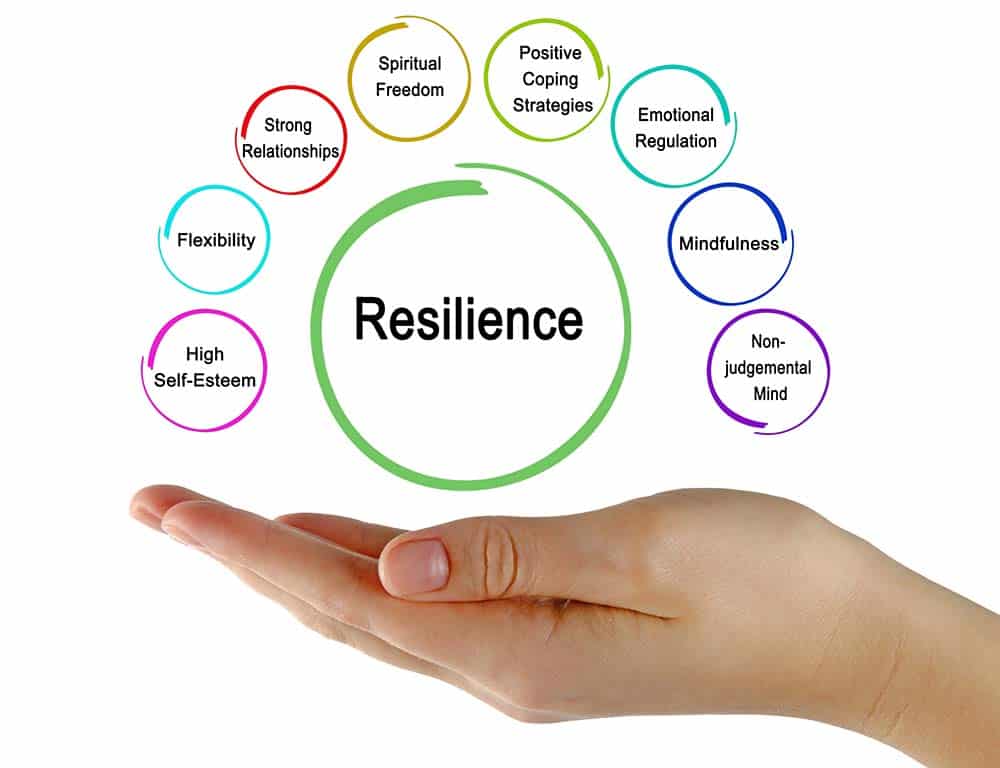
Grit matters because life is unpredictable. Challenges, failures, and setbacks are inevitable. Without grit, it’s easy to lose direction and quit. With grit, you develop resilience—the ability to recover quickly and keep moving forward.
The Foundation of Lasting Grit
1. Define a Clear Purpose
Grit begins with a strong sense of purpose. If you don’t know why you’re doing something, it becomes difficult to stay committed when things get tough. Take time to identify your long-term goals and connect them to something meaningful.
Ask yourself:
- Why does this goal matter to me?
- How will achieving it impact my life or others?
A clear purpose acts as fuel during difficult times. It reminds you why you started and keeps you focused on the bigger picture.
2. Embrace Discomfort

Building grit requires stepping outside your comfort zone. Growth doesn’t happen in easy situations—it happens when you face challenges. Instead of avoiding discomfort, learn to embrace it.
When you encounter difficulty, shift your mindset:
- See challenges as opportunities to grow
- Understand that struggle is part of progress
The more you expose yourself to discomfort, the stronger your mental resilience becomes.
How Fitness Podcasts Build Member Trust
3. Develop Consistent Habits
Grit is not built through occasional bursts of effort—it’s built through daily discipline. Small, consistent actions over time create powerful results.
Focus on:
- Creating a daily routine aligned with your goals
- Setting realistic and achievable targets
- Tracking your progress regularly
Consistency builds momentum, and momentum strengthens your commitment.
4. Learn from Failure
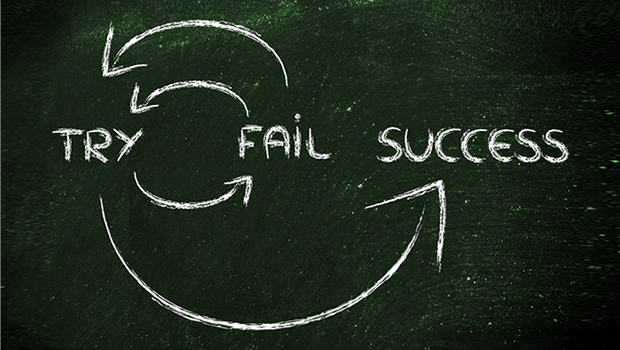
Failure is not the opposite of success—it is part of it. People with grit don’t see failure as a stopping point; they see it as feedback.
When you fail:
- Analyze what went wrong
- Identify lessons you can apply
- Adjust your approach and try again
Each failure brings you one step closer to improvement. The key is to keep going.
5. Strengthen Your Mindset
Your mindset plays a crucial role in developing grit. A growth mindset—the belief that abilities can be improved through effort—helps you stay motivated.
Replace limiting thoughts like:
- “I can’t do this”
with empowering ones like: - “I can learn how to do this”
Positive self-talk and mental discipline help you stay focused and resilient.
Strategies to Build Grit That Lasts
Stay Patient
Success takes time. One of the biggest reasons people give up is impatience. Understand that meaningful achievements require long-term effort. Trust the process and focus on steady progress rather than immediate results.
Build Emotional Resilience
Emotional strength is a key component of grit. Learn to manage stress, frustration, and disappointment effectively. Techniques like deep breathing, journaling, or mindfulness can help you stay calm and focused.
Surround Yourself with Support
Your environment influences your mindset. Surround yourself with people who encourage and inspire you. Positive support systems can help you stay motivated during difficult times.
Celebrate Small Winshttps://mindyourmind.ca/mental-health-wellness/wellness-tips/community-relationships/celebrating-small-wins/
Recognizing progress, no matter how small, boosts motivation. Celebrate milestones along the way to keep your energy high and your focus strong.
Common Challenges in Building Grit
- Lack of Motivation: Motivation comes and goes, but discipline keeps you going.
- Fear of Failure: Overcome fear by focusing on learning rather than perfection.
- Burnout: Balance hard work with rest to maintain long-term consistency.
Understanding these challenges helps you prepare for them and handle them effectively.
FAQs
1. Can grit be learned or is it natural?
Grit is a skill that can be developed over time. With consistent effort, the right mindset, and discipline, anyone can build grit.
2. How long does it take to develop grit?
There is no fixed timeline. Grit is built gradually through repeated effort, learning from failures, and staying committed to your goals.
3. Is grit more important than talent?
While talent can provide an advantage, grit is often more important because it determines whether you continue working toward your goals despite challenges.
4. How can I stay consistent when I feel unmotivated?
Focus on discipline rather than motivation. Create a routine, set small goals, and remind yourself of your purpose.
5. What’s the difference between stubbornness and grit?
Grit involves persistence with learning and adaptation, while stubbornness ignores feedback and refuses to change. Grit is flexible; stubbornness is rigid.
Conclusion
Building grit that lasts is not about being perfect—it’s about being persistent. It’s about showing up every day, even when you don’t feel like it, and continuing to move forward despite setbacks. Grit is what turns dreams into reality and effort into achievement.
By defining your purpose, embracing challenges, staying consistent, and learning from failure, you can develop a level of resilience that carries you through life’s toughest moments. Remember, success is not a sprint—it’s a marathon. And those who build grit are the ones who go the distance.
About the Author